
Archive

November 2, 2026

Browsing

Filling the candy bowl for Halloween has become a significantly more expensive endeavor for American households over the last few years. According to a study by FinanceBuzz, the average cost of a 100 piece bag of assorted treats has climbed to 16.96 dollars this year. To put that into perspective, during President Biden’s first Halloween in office back in 2021, those same sweets averaged just 9.91 dollars. That represents a staggering jump of roughly 71 percent over three years, far outpacing the general national inflation rate.

Government data suggests that these spikes are not just limited to specific brands but are part of a broader trend across the confectionery market. The Bureau of Labor Statistics reports that prices for candy and chewing gum rose by 7.7 percent over the past twelve months. While every item in the grocery store feels more expensive lately, candy is rising at more than double the overall inflation rate of 3.7 percent, making it one of the most aggressive price hikes in the shopping cart.

Industry giants like Hershey appear to be driving some of this trend by prioritizing profit margins over sales volume. Recent earnings reports indicate that while net sales have risen, the actual amount of chocolate being sold has dropped as consumers react to higher price tags. Despite this price elasticity, companies have continued to raise prices to protect their bottom lines, betting that parents will still find ways to afford treats for their neighborhoods regardless of the cost.

Interestingly, high prices haven’t stopped Americans from celebrating entirely. The National Retail Federation predicts that total Halloween spending will hit around 13.5 billion dollars this year, potentially breaking previous records. Experts suggest that while families are keeping Halloween as a financial priority, they are becoming much more strategic about how they shop, opting for sales and carefully calculating per piece costs to avoid getting tricked by the checkout total.


Federal investigators have identified a sophisticated North Korean hacking collective known as TraderTraitor as the architect behind a staggering 6.43 billion dollar theft from Binance. The operation marks the largest cryptocurrency heist in history, dwarfing previous attacks including a massive breach at Bybit earlier this year. According to the FBI and collaborating agencies from the Secret Service and IRS, the hackers targeted eleven different blockchains, focusing heavily on Bitcoin and Ethereum to move their spoils.

The scale of the robbery is so immense that analysts from Elliptic note it nearly doubles the total amount of cryptoassets previously stolen by the North Korean regime. While some progress has been made in containing the damage, with roughly 2.85 billion dollars already frozen by various stablecoin issuers and network operators, much of the remaining loot is being funneled through decentralized finance tools and instant swap services to hide its origin. Meanwhile, Binance has begun cautiously restoring withdrawal services for users following an emergency pause intended to secure the platform.

Investigators reveal that TraderTraitor operates with clinical precision, often posing as high tech recruiters to lure targets into installing malware. By creating fake personas and using artificial intelligence to craft believable job offers in fields like blockchain and AI, the group tricks professionals into downloading tainted software. Once inside a system, they deploy specialized backdoors that grant them full remote control over infected devices regardless of whether they run Windows, macOS, or Linux.

This latest campaign highlights a dangerous evolution in state sponsored cybercrime where legitimate developer workflows are weaponized against global financial infrastructure. By utilizing front companies and highly specific industry knowledge, these operatives can bypass traditional security hurdles to infiltrate major exchanges. As federal authorities release lists of compromised wallet addresses, the international community continues to grapple with a digital adversary that views cryptocurrency as a primary engine for funding its national interests.

Binance has begun a phased rollout of customer withdrawals following a staggering six point three billion dollar heist that paralyzed the worlds largest cryptocurrency exchange last week. Co CEO Richard Teng announced the move via social media on Sunday morning, emphasizing that the platform would shoulder the entire financial burden of the theft rather than passing those losses onto its clients. Early reports indicate that fifteen major digital currencies, including Bitcoin and Ethereum, were among the first to be restored as part of a cautious strategy to ensure network stability.

By mid morning on Sunday, the exchange had already processed billions in transactions as users rushed to reclaim their holdings. While most operations are returning to normal, some customers may experience slight delays while security teams continue to vet remaining assets based on user demand. To cover the massive deficit, Binance tapped into its dedicated secure assets fund alongside corporate treasuries and futures insurance reserves. Company officials confirmed that ninety five percent of the stolen funds have already been covered, noting that only a few less liquid tokens are still being sourced.

The investigation into the breach took a geopolitical turn when the FBI identified a North Korean state sponsored group known as TraderTraitor as the culprit. According to federal investigators, these hackers have been active since 2020 and spent much of last week attempting to convert their spoils primarily into Ethereum. This discovery highlights the ongoing risk posed by sophisticated nation state actors targeting decentralized finance infrastructures globally.

Despite the scale of the attack, an industry wide effort helped mitigate some of the damage. A coalition of cryptocurrency firms successfully froze approximately three billion dollars in stolen assets shortly after the event occurred. In a public statement, Binance expressed gratitude toward law enforcement and its industrial partners for their swift action in tracing and locking down funds during what described as an incredibly challenging period for its global community.

Panic rippled through the digital asset market this weekend as investors withdrew 3.6 billion dollars from Binance following what experts are calling the largest heist in history. The exodus began shortly after the exchange reopened withdrawals in phases, having previously frozen all movement of funds to investigate a staggering 6.3 billion dollar breach. While the platform maintains that its overall stability remains intact, with outflows representing roughly two percent of its total assets under management, the sudden flight of capital highlights a lingering fragility in user trust.

Federal investigators have pointed the finger toward North Korea, specifically identifying a group known as TraderTraitor. The FBI believes this entity is linked to the notorious Lazarus Group, the same collective blamed for the infamous 2014 attack on Sony Pictures. According to officials, the hackers used sophisticated malware and a compromised laptop to penetrate Binance’s defenses and erase their tracks. Law enforcement agencies are now urging other firms to block specific addresses as the culprits attempt to laundry the stolen loot through decentralized finance services.

To stem the tide of panic, Binance executives have pledged that no customer will suffer a financial loss due to the attack. Co-CEO Richard Teng stated that the company has already replenished ninety percent of the missing tokens using its internal corporate treasury and secure asset funds. The remaining ten percent consists of less liquid assets that may take longer to acquire, but leadership insists they remain committed to covering every cent of the shortfall.

Despite these assurances, the ripple effects were felt across the entire cryptocurrency ecosystem almost immediately. Bitcoin and Ethereum both saw sharp declines, while Binance’s own native token tumbled nearly ten percent as traders reacted to the vulnerability of even the industry’s biggest player. This massive security failure arrives amid growing fears that advancing artificial intelligence could make traditional encryption obsolete and provide sanctioned regimes like North Korea with powerful new tools for state funded cybercrime.

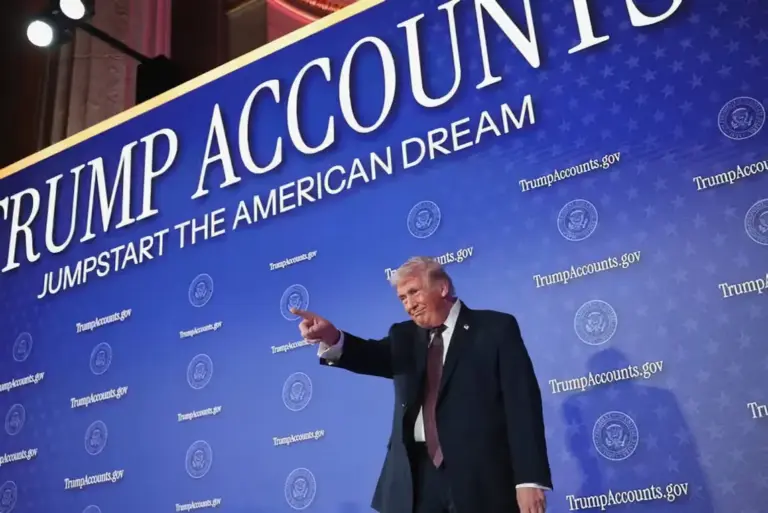
Quanisha Green first suspected something was wrong when she opened an email from the IRS urging her to claim a Trump Account for her two children. As a business advisor and college department director in Philadelphia, Green is used to navigating bureaucracy, but the discovery that nearly 70 million accounts had been automatically created for minors across the country left her unsettled. The initiative, launched following an announcement by President Donald Trump, establishes a new type of individual retirement account for every single child under 18 with a valid Social Security number, effectively bypassing parental consent entirely.

While the government frames the move as a way to ensure children gain an early stake in the American economy, many parents view it as an overreach of federal power. For mothers like Kate Pospisil in Texas, the issue transcends political affiliation. She expressed horror that a government agency could open a financial account involving private banks and brokerage firms in her five year old daughter’s name without any signature or opt out option. Pospisil argued that such decisions should belong solely to parents, noting her deep concern regarding how much sensitive personal data was shared with private entities during the rollout.

The logistics of the program vary depending on a child’s age, with those born between early 2025 and late 2028 eligible for a one time thousand dollar government deposit upon request. However, older children are also enrolled automatically despite being ineligible for the seed money. Even if parents refuse to download the required app or activate the accounts, the profiles remain active in the system, allowing outside donors to make contributions. Adding to the frustration is confirmation from Treasury officials that once an account is claimed, it currently cannot be closed.

Beyond the philosophical debate over parental rights, security concerns have taken center stage for critics like Green. Her hesitation stems from a general lack of confidence in current administrative safeguards, specifically citing previous controversies involving attempts by figures like Elon Musk to access sensitive IRS databases. While proponents suggest that separating politics from finance reveals a beneficial tool for long term wealth building, many families find themselves trapped in a system where their children’s identities are linked to a branded government project they never asked for and cannot escape.