
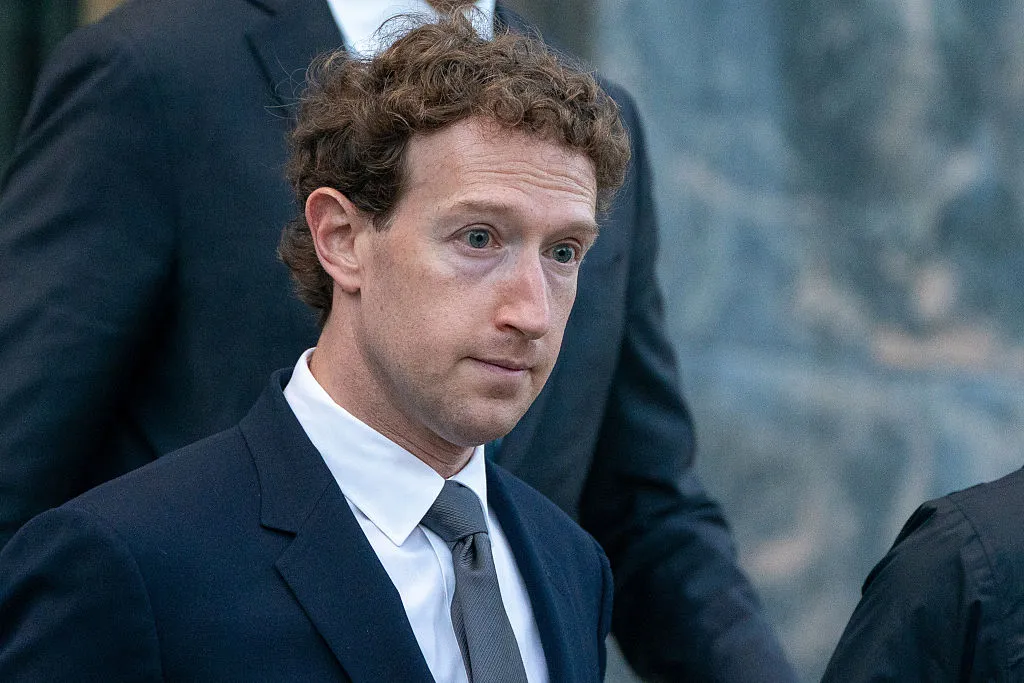
Meta has reached a massive agreement to pay up to 18 billion dollars to settle a sweeping lawsuit brought by 29 U.S. states regarding child safety on its platforms. The legal battle centered on allegations that the tech giant intentionally engineered Facebook and Instagram to be addictive for children while ignoring known risks to their mental health. Furthermore, prosecutors claimed Meta bypassed federal law by collecting data from minors without parental consent, violating the Children’s Online Privacy Protection Act. While the company is not admitting guilt as part of the deal, the settlement suggests a strong desire to avoid the unpredictability of a jury trial.
As part of the agreement, Meta will roll out several strict safeguards for teenage users over the next decade, pending court approval. These changes include a default two hour daily time limit across its apps, accompanied by frequent reminders to encourage more intentional browsing. To curb late night scrolling and classroom distractions, Meta will implement a Night Mode that blocks access between midnight and 6 AM, along with School Mode to mute notifications during typical school hours. Other measures involve hiding like counts on teen posts and banning extreme makeup filters to reduce body image pressures among young users.
In a strategic twist, Meta is attempting to turn this legal defeat into an industry standard by challenging competitors like TikTok and YouTube to follow suit. A significant portion of the payout is tied to this goal; roughly 5.3 billion dollars of the settlement will only be paid if those rival platforms adopt similar time limits and age verification tools and contribute a matching sum of money. Meta’s chief legal officer stated that because teenagers jump between many different apps, any real solution must be applied across the entire industry rather than just one platform.
Despite the staggering cost, investors have reacted positively, sending Meta’s stock higher following the announcement. The company expects to record 10 billion dollars in legal expenses this quarter, which will weigh on short term profits but provides some level of regulatory certainty moving forward. Beyond financial penalties, Meta has pledged to invest heavily in age assurance technology to root out underage users and enhance parental controls meant to shield teens from unwanted interactions with adults.


Comments are closed.