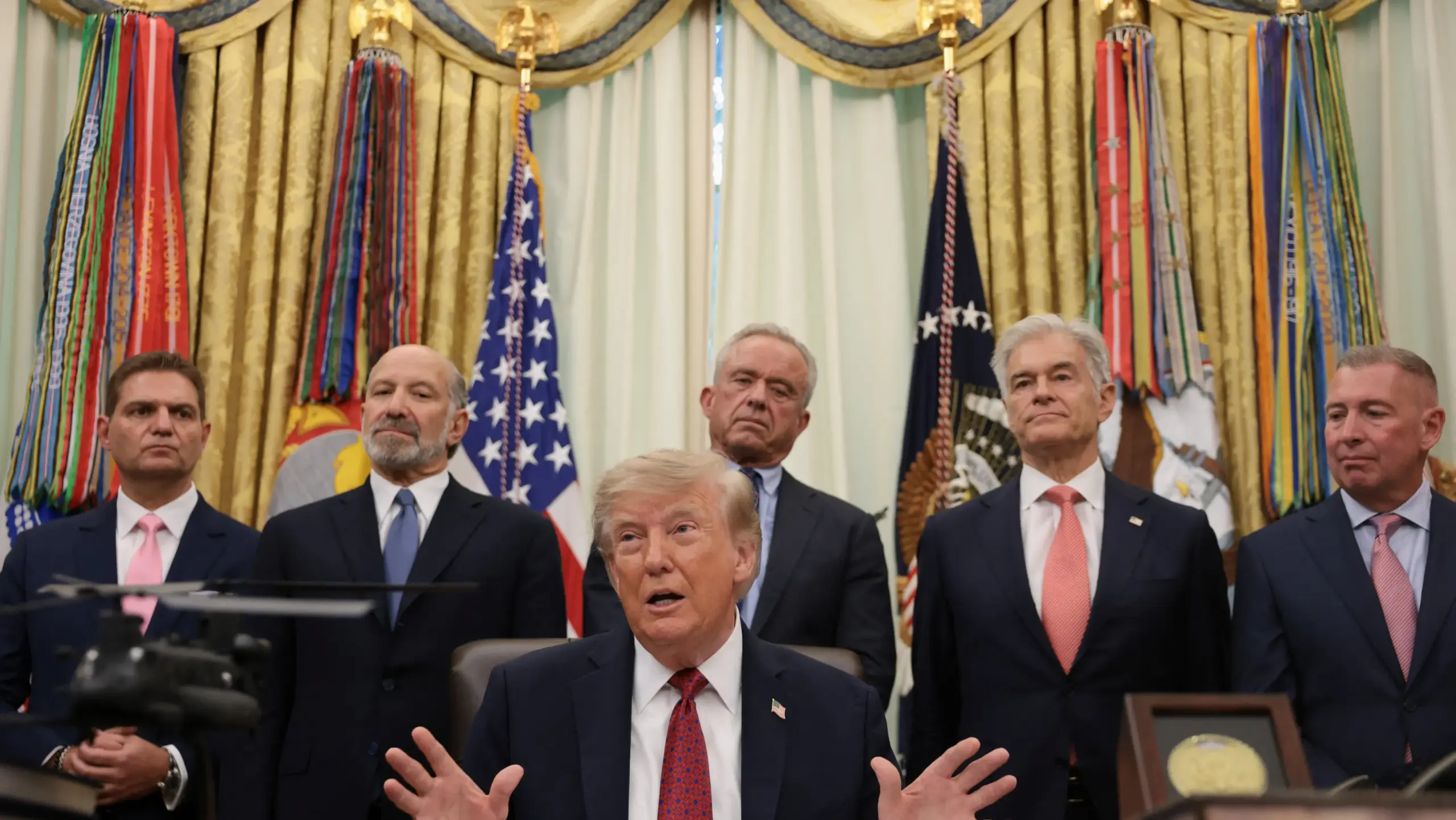
President Donald Trump is once again turning his attention toward the Federal Reserve, urging the central bank to slash interest rates to fuel economic growth. Speaking from the Oval Office on August 31, Trump argued that the United States should strive for the lowest interest rates in the world, suggesting that current economic success shouldn’t be punished with higher borrowing costs. He claimed the economy could potentially grow at a staggering rate of 20 percent and insisted that such expansion would not necessarily trigger inflation, calling the prospect of a rate hike ridiculous given recent positive data.
Despite these pressures from the White House, many economists and traders believe the Fed is heading in the exact opposite direction. The Federal Open Market Committee is weighing a possible rate increase at its upcoming meeting on September 16 to combat stubborn inflation, which has remained above the banks 2 percent target for five years. While real GDP grew by 1.5 percent in the second quarter of 2026, officials are more concerned with price stability than raw growth figures. Fed Chair Kevin Warsh recently noted that while the job market remains stable, bringing down prices must remain a primary focus for policymakers.
The internal momentum within the Fed seems to be shifting toward tightening policy. Governor Michael Barr warned on September 1 that progress in lowering inflation had stalled due to various external shocks, including new tariffs, conflicts in the Middle East, and an expensive surge in AI infrastructure development. Barr indicated that if inflation doesn’t moderate sufficiently, the committee needs to act decisively by raising rates. This sentiment is echoed across several regional banks; during the July meeting, three members specifically dissented against holding rates steady and instead pushed for a quarter point increase.
Currently sitting between 3.5 and 3.75 percent, interest rates haven’t been raised since July 2023, but that streak may soon end. With at least six of twelve voting members signaling openness to a hike and preferred inflation measures showing a rise of 3.7 percent through July, markets are leaning heavily into a rate increase. Traders using tools like CME FedWatch are now betting that the committee will push the target range up to 4 percent later this month as they prioritize cooling prices over political requests for cheaper credit.


Comments are closed.