
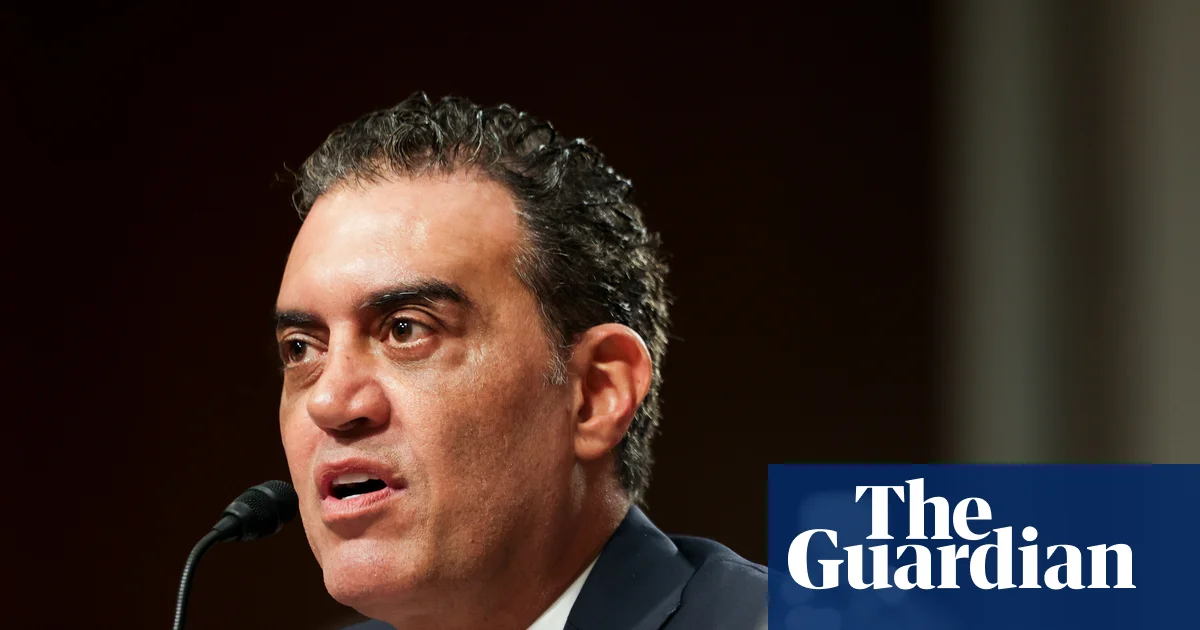
Emil Michael, the high ranking Pentagon official tasked with shaping military artificial intelligence policy, has offloaded millions of dollars in shares from another AI venture, adding to a series of lucrative trades that have raised eyebrows among ethics watchdogs. According to recent financial disclosures reviewed by the Guardian, Michael sold his holdings in Perplexity, an AI powered search engine currently seeking a massive valuation, for a sum estimated between five million and twenty five million dollars. This move follows previous revelations that he earned up to twenty four million dollars earlier this year after selling investments in Elon Musk’s xAI company.
The timeline of these transactions suggests a pattern of significant wealth accumulation while serving in a role that oversees the very technology driving these market surges. Beyond his equity stakes, documents show that Michael previously served on an advisory board for Perplexity and received a personal loan from the firm ranging from two hundred fifty thousand to five hundred thousand dollars shortly before joining the federal government. While he reportedly stepped down from the board upon entering public service and pledged not to profit from certain unvested stocks, critics argue that maintaining such close ties creates an inherent conflict of interest.
Ethics experts suggest that standard practice for high level appointees involves divesting from industry related assets entirely before assuming office to avoid even the appearance of impropriety. Richard Painter, a former White House lawyer under George W Bush, noted that most administrations would have required him to exit those positions immediately. However, a Pentagon spokesperson defended the arrangement, insisting that Michael is in full compliance with all existing ethics laws and emphasizing that the department utilizes a rigorous framework to manage potential conflicts.
The controversy extends beyond the realm of artificial intelligence into broader fintech ventures. Disclosures indicate that Michael also realized substantial gains through the sale of holdings in Brex LLC, a financial software company backed by Peter Thiel. After reporting his stake in Brex was worth relatively little early last year, he saw those holdings jump significantly during his tenure in government, resulting in a payout potentially reaching twenty four million dollars following its acquisition by Capital One. These overlapping interests continue to fuel debate over whether current oversight rules are sufficient for officials operating at the intersection of national security and Silicon Valley wealth.


Comments are closed.