Archive

October 7, 2026

Browsing

Shares of AMD saw a significant lift today as investors reacted positively to a wave of bullish forecasts regarding the company’s hardware sales. Analysts are increasingly optimistic that the firm is well positioned to capture a larger slice of the artificial intelligence market, fueling a rally that reflects growing confidence in its latest product pipeline. This surge comes at a critical time when enterprises across the globe are racing to upgrade their infrastructure to support complex generative AI workloads.

The current momentum suggests that the industry sees AMD as a formidable challenger in the high end accelerator space. While competition remains fierce, recent reports indicate that more companies are diversifying their hardware portfolios to avoid over reliance on a single supplier. This shift is playing directly into AMD’s hands, as buyers seek out powerful alternatives capable of handling massive datasets and training sophisticated neural networks efficiently.

Market observers note that this price action isn’t just about short term hype but rather a fundamental bet on long term growth cycles. By focusing on scalable architecture and competitive pricing, the chipmaker is successfully convincing Wall Street that it can maintain steady revenue growth even as the initial gold rush of AI adoption matures into a sustainable corporate standard. For now, shareholders seem convinced that the best days for these silicon gains are still ahead.

For years, the artificial intelligence gold rush seemed to belong exclusively to Nvidia and its powerful graphics processing units, leaving traditional chipmakers in the shadow of the generative AI explosion. However, a sudden shift toward autonomous AI agents is bringing the central processing unit back into the spotlight. While GPUs handle the heavy lifting of thinking and inference, these new agents require CPUs to actually execute complex workflows that can run independently for hours or even days. This technical pivot has sent shockwaves through the stock market, propelling Advanced Micro Devices to fresh highs and pushing its valuation into the exclusive trillion dollar club.

The catalyst for this resurgence is partly driven by a wave of consumer adoption, most notably with Meta’s Muse and OpenAI’s Dots. Muse climbed to the top of the Apple App Store shortly after its September debut, creating a massive demand for the underlying infrastructure required to keep these digital assistants running. Interestingly, when asked about their origins, some of these agents explicitly credit AMD powered systems for their functionality. For investors, this transparency has translated into immediate gains, with AMD shares jumping nearly four percent recently as analysts recognize that agentic AI shifts workloads away from specialized accelerators and back toward versatile CPUs.

Industry experts suggest we are witnessing a fundamental change in how AI hardware is utilized. According to Daniel Newman of Futurum Group, GPUs provide the cognitive spark, but CPUs perform the actual labor of managing virtual machines and background tasks. Because CPUs are significantly more affordable than their GPU counterparts—often costing a fraction of a high end Nvidia chip—they offer a scalable path for tech giants like Meta and Microsoft to deploy agents to millions of users without bankrupting their operational budgets. This efficiency makes AMD’s EPYC line particularly attractive for hyperscalers who need high core counts to support numerous simultaneous users.

While Intel is also benefiting from this trend and Nvidia is attempting to enter the fray with its own CPU offerings, AMD appears to be capturing much of the current momentum thanks to its strong footprint among cloud providers and compatible x86 architecture. With projections suggesting the CPU market could swell to over two hundred billion dollars by 2030, the battle for dominance is heating up again. As more consumers integrate these persistent AI agents into their daily lives, the silicon world is discovering that while GPUs may have started the revolution, CPUs are essential for keeping it running in the background.

Financial commentator Charles Payne suggests that investors are currently witnessing a fragmented landscape where the broader market is splitting into three distinct directions. Rather than moving in unison, different sectors are reacting to economic signals in wildly contrasting ways, creating what he describes as a tale of three separate stock markets operating simultaneously.

This divergence highlights a growing gap between high flying tech giants and the struggling remnants of traditional industry. While artificial intelligence continues to propel certain indices to record heights, other areas of the economy remain bogged down by persistent inflation concerns and fluctuating interest rates, leaving many investors wondering which trend will eventually dominate the narrative.

The current environment requires a more nuanced approach to portfolio management because the old rules of general market movement no longer seem to apply across the board. By recognizing these disparate currents, analysts believe traders can better navigate the volatility and identify which specific pockets of growth are sustainable versus those driven by mere speculation.

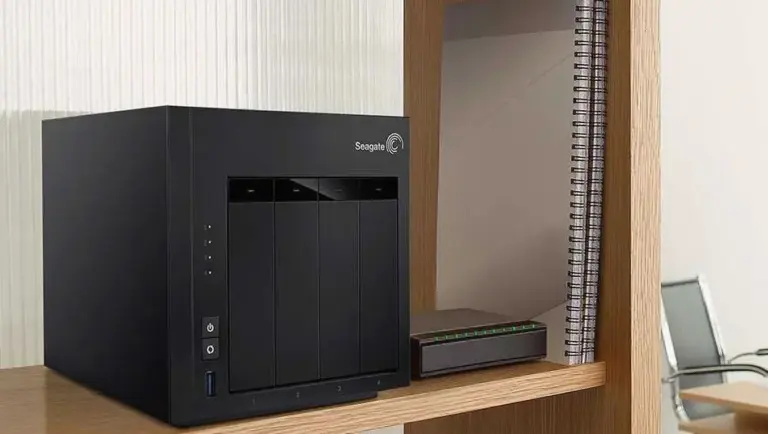
Shares of Seagate Technology and Western Digital took another hit on Tuesday as Wall Street continued to fret over the evolving landscape of the hard disk drive market. The slump comes as investors weigh whether Toshiba is poised to become a more aggressive competitor, threatening the current balance of power among the industry’s primary players.

The anxiety surrounding these stocks has taken an unexpected turn following reports that both Toshiba and Seagate are locked in a bidding war for TDK Corp’s magnetic heads business. This specific acquisition is seen as high stakes because TDK currently stands as the only independent manufacturer of magnetic recording heads, a critical component necessary for the production of traditional hard drives.

If Toshiba manages to secure this essential supply chain asset, it could significantly shift the competitive dynamics of the storage sector. By controlling its own source of components, Toshiba would potentially reduce its reliance on outside vendors and gain a strategic edge in pricing and production speed, leaving rivals like Western Digital and Seagate vulnerable.

For now, shareholders remain cautious as they wait to see who emerges victorious in the pursuit of TDK. Until there is clarity on how these vital parts will be distributed across the industry, volatility is expected to persist for the major storage manufacturers fighting for dominance in an increasingly tight market.

Skydance Media faced a rocky start to its life as a public company on Tuesday, with shares slipping three percent during its debut on the New York Stock Exchange. Trading under the new ticker symbol SKYD, the stock ended its first session at nine dollars and fifty one cents. This dip follows a larger downward trend for the company, which has seen a fifteen percent pullback since the massive merger involving Paramount and Warner Bros. Discovery was first floated last February. Despite the shaky opening, the day marked a historic milestone as the eleven billion dollar deal officially closed following months of legal hurdles and antitrust challenges from several states and the Writers Guild of America.

The newly formed behemoth enters the market with an impressive portfolio including heavy hitters like CBS, HBO, CNN, and Nickelodeon, alongside two of Hollywood’s most storied studios. However, these crown jewels come with a staggering price tag in the form of eighty billion dollars in debt. This high level of leverage has left many investors uneasy, prompting credit ratings agency Fitch to downgrade Skydance’s rating immediately upon its launch. Analysts pointed toward the volatile nature of hit driven content and the ongoing decline of traditional linear television as significant risks facing the organization.

Despite the skepticism from Wall Street, those steering the ship remain optimistic about their long term vision. Gerry Cardinale, founder of RedBird Capital and a key board member, expressed his total commitment to the venture by investing four billion dollars into the firm. Speaking recently at a conference in Los Angeles, Cardinale described himself as a growth oriented investor who believes that combining world class intellectual property with forward thinking technology will eventually outweigh current industry headwinds.

While leadership spent much of Tuesday engaging with staff at various studio lots rather than courting financial analysts, the broader investment community continues to scrutinize SEC filings to gauge the company’s viability. Management has yet to deliver a comprehensive strategic pitch to shareholders, leaving many analysts in a holding pattern as they adjust their forecasts for this sprawling new entertainment empire. For now, Skydance finds itself balancing an enviable library of global brands against a mountain of debt that remains the primary focus for cautious traders.

Two industry heavyweights are doubling down on their presence in South America with a massive investment aimed at boosting metal supplies. Polish mining giant KGHM and Australia’s South32 have unveiled plans to spend 725 million dollars expanding the Sierra Gorda copper and molybdenum mine in northern Chile. The ambitious move is designed to ramp up annual copper production by twenty percent, pushing the facility’s processing capacity from 48 million tons of ore up to 60 million tons each year.

The project is expected to reach completion by late 2029, with full commercial output hitting its stride in the latter half of 2030. To keep costs low and sustainability high, the partners plan to optimize their existing infrastructure, utilizing a seawater pipeline and relying entirely on renewable energy sources for electricity. This strategic upgrade comes at a time when traditional mines across South America are seeing declining ore grades, making efficiency gains critical for maintaining profitability.

Beyond just increasing current volume, the companies are looking toward the distant future through aggressive exploration in the nearby Catabela Northeast zone. Initial drilling suggests there may be billions of tons of mineral resources waiting to be tapped, which could potentially extend the lifespan of the mine for decades. For KGHM, this expansion reinforces its status as Europe’s leading copper producer and diversifies its portfolio away from domestic borders.

Meanwhile, for South32, the move fits into a broader trend of streamlining its global operations. The Australian firm has recently shed various aluminum and coal assets as part of a larger corporate pivot toward higher growth opportunities. By investing heavily in Chile alongside KGHM, both firms are positioning themselves to capitalize on an increasingly tight global copper market driven by the worldwide transition toward green technology.

A massive cargo of Belarusian potash is currently making its way across the Atlantic, marking the first time such a shipment has headed for the United States in four years. The vessel departed from Russia’s Bronka port on September 15 and is expected to dock in New Orleans by mid October. While the thirty thousand metric ton delivery may seem like a routine trade move, it arrives amid a politically charged atmosphere as President Donald Trump seeks to leverage alternative suppliers to drive down prices for American farmers who have long relied on expensive Canadian imports.

The sudden reentry of Belarus into the U.S. market follows a complex series of diplomatic maneuvers involving the release of political prisoners and a gradual loosening of sanctions against the state owned producer Belaruskali. This geopolitical thaw sent ripples through the financial sector, causing temporary stock dips for industry giants like Nutrien and Mosaic as investors worried that Canada might lose its dominant grip on the domestic supply chain. However, Trump later clarified that his goal is not necessarily to replace Canadian providers entirely but to create enough competition to secure better pricing for agricultural producers.

Despite the symbolic weight of this shipment, analysts warn that a full scale pivot away from Canada faces steep hurdles. Belarus continues to struggle with severe logistical bottlenecks caused by European Union sanctions, which have blocked traditional transit routes through Lithuania, Latvia, and Poland. Forced to reroute shipments through Russia at a significantly higher cost, Minsk must now prove it can maintain an efficient pipeline to North America while honoring existing heavy contracts with major buyers in China, Brazil, and India.

Ultimately, this inaugural voyage serves more as a trial run than an immediate market disruption. With Canada still providing nearly eighty percent of U.S. potash imports over recent years, one ship cannot dismantle an entire trade infrastructure overnight. Nevertheless, the arrival in New Orleans signals a volatile new chapter in global fertilizer trade where diplomacy and prisoner swaps are becoming just as important as soil chemistry and shipping lanes.

Franco Nevada has made a significant move into the early stage exploration sector by securing a 12.42 percent stake in Kenorland Minerals. The acquisition was completed through a private block trade valued at 22.2 million US dollars, with the royalty leader purchasing 10 million common shares at a price of 2.22 dollars per share. This strategic entry allows Franco Nevada to align itself with one of North America’s growing project generators during a period of shifting priorities within its own global portfolio.

The deal involved a redistribution of ownership among Kenorland’s leadership and insiders. A large portion of the shares came from John Tognetti, who sold nearly eight million shares as part of a broader portfolio management strategy, effectively ending his status as a corporate insider. To finalize the trade, Kenorland President and CEO Zach Flood contributed over two million shares from his own holdings. Flood expressed enthusiasm about welcoming such a respected name in the streaming industry to the company’s shareholder base.

Kenorland is primarily recognized for its focus on greenfield exploration across North America, highlighted by its successful discovery of the Frotet Project in Quebec back in 2020. That particular asset boasts an impressive inferred mineral resource containing millions of ounces of gold. The addition of Franco Nevada further strengthens an already robust list of institutional backers, joining other major players like Sumitomo and Centerra Gold who have recently moved to maintain their proportional interests in the explorer.

For Franco Nevada, diversifying into high potential explorers comes at an interesting time as it navigates headwinds elsewhere. The company continues to manage uncertainty regarding its major stream at the Cobre Panama copper mine, where operations remain suspended amidst legal disputes and government commissions. By expanding its footprint with companies like Kenorland, Franco Nevada appears to be hedging its bets and seeking fresh growth opportunities in gold exploration while waiting for resolution on its larger industrial assets.

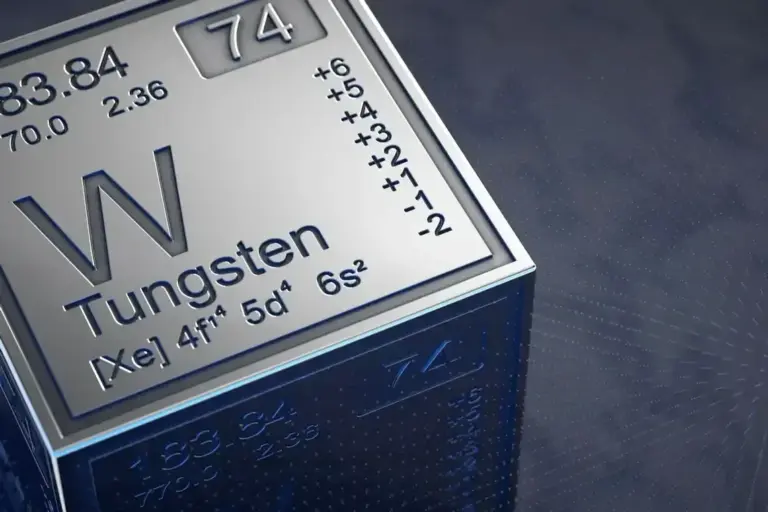
Australian junior explorer Gold Mountain is making a significant move into South America’s critical minerals sector after securing exclusive rights to acquire the historic Malhada do Angico tungsten mine. By signing a binding agreement with Emprogeo Mining Business, the company has gained control over more than 850 hectares in northeastern Brazil, strategically positioning itself within one of the region’s most productive tungsten districts. This new acquisition directly borders Gold Mountain’s current holdings in the Seridó province, creating a contiguous area of high potential.

To lock in the twelve month exclusivity window, Gold Mountain paid an initial sum of 183,000 US dollars. This period allows the firm to carry out essential legal and technical audits before finalizing the deal. Further payments are tied to official approvals from the Brazilian National Mining Agency, specifically concerning a long standing exploration report and the formal transfer of mining rights. Once these regulatory hurdles are cleared, the transition of ownership will be completed.

The project holds particular appeal because it shares similar geological characteristics with the Brejuí Mine, one of Brazil’s premier tungsten operations located just forty seven kilometers away. During World War II, Malhada do Angico was active under different management, and modern mapping suggests there is still plenty left to discover. Company executives have already identified several thousand meters of promising mineralized zones across their expanded land package.

Executive Director David Evans expressed strong enthusiasm for the site following a recent visit, noting that the company intends to fast track its exploration efforts. While waiting for full drilling permits, Gold Mountain has already begun sampling historical tailings to determine metal grades and perform metallurgical tests. These early steps are designed to build confidence in the site’s viability as they prepare for a larger scale drilling campaign.

FIRST ON FOX: A blue city in one of the country’s hottest battleground states is accused of being a potential hotbed of foreign worker visa fraud, according to the House lawmaker who represents the area.

Rep. Rich McCormick, R-Ga., is writing to the Trump administration on Tuesday asking for an investigation into alleged abuse of the H-1B work visa program in his own district. He warned in the letter that his district is a “suspected hotspot of this fraud” and offered himself as “an interlocutor to help enable cooperation with state-level agencies and law enforcement.”

Georgia’s 7th Congressional District, which McCormick represents, encompasses part of the Atlanta metro area including the city’s northern suburbs. That includes part of Fulton County, whose top prosecutor, Fani Willis, has been under heavy scrutiny by Republicans in recent years.

FEDERAL JUDGE STRIKES DOWN TRUMP’S $100K H-1B VISA FEE, RULING IT AN UNCONSTITUTIONAL TAX

“Established by the Immigration Act of 1990, the purpose of the H-1B program is to allow American businesses to temporarily bring in foreign citizens to fill key, high-skill employment positions when the domestic workforce demonstrably cannot provide the necessary labor,” McCormick wrote.

“Unfortunately, the H-1B program has become the subject of rampant fraud and abuse for the nefarious purposes of obtaining labor that bad actors can exploit below-market-rate wages and abusive work conditions given H-1B holders’ dependence on retaining their employment in order to avoid removal back to their country of origin.”

FURY ERUPTS AS US BRAND FIRES 1,600 EMPLOYEES AFTER SECURING THOUSANDS OF FOREIGN WORKER VISAS

He said the alleged fraud is sowing uncertainty in the U.S. labor market by undercutting wages and unfairly increasing competition for American workers, particularly those fresh out of college.

“Bad actors have developed illicit methods for meeting the requirements for obtaining H-1B visas and the necessary work authorizations, and they employ these methods at scale to enrich themselves through fraud and exploitation via the most threadbare compliance with the letter of the law,” McCormick wrote.

VICE PRESIDENT VANCE SAYS MIGRANT COMMUNITIES SHOW ‘CLEAR PATTERN’ IN FEDERAL FRAUD AS INVESTIGATIONS WIDEN

The Georgia Republican said his suspicions were raised by “stakeholder engagement, reports from my constituents, and recent federal investigation and enforcement activity targeting entities in and around GA-07.”

And while he did not name specific businesses or people he believes are associated with such fraud, McCormick argued, “Metro Atlanta’s recent economic growth and international airport unfortunately make it a logical area of concentration for these bad actors.”

EXCLUSIVE: ‘PHANTOM EMPLOYEES’ SCANDAL SPURS GOP CRACKDOWN ON $36B INCENTIVE FOR COMPANIES TO BYPASS AMERICANS

The Trump administration launched an investigation into suspected H-1B visa fraud in July.

H-1B visas have become the subject of fierce debate on the right, with prominent critics like Vice President JD Vance calling it a “broken” system while calling to eliminate it altogether.

Supporters of H-1B visas, like Elon Musk and Vivek Ramaswamy, have argued it’s critical for attracting global talent in fields like technology and engineering that are key to keeping the U.S. at the forefront of global innovation.