
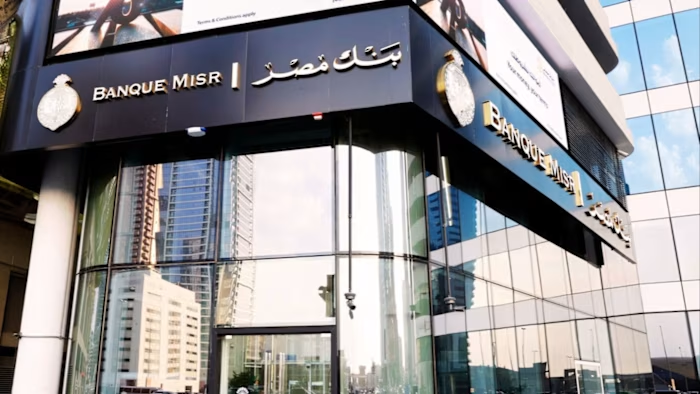
The United States Treasury Department has announced new restrictions on an Egyptian bank following allegations that the institution facilitated prohibited financial transactions with Iran. The move comes as Washington continues to tighten its grip on global financing networks used by Tehran, signaling a firm stance against those who attempt to bypass international sanctions regimes. While specific details regarding the volume of the trades remain under wraps, officials indicated that the measures were necessary to protect the integrity of the U.S. dollar and prevent illicit funding flows.
This regulatory action places the Cairo based lender in a precarious position, potentially limiting its ability to clear transactions through American banks or maintain critical correspondent banking relationships across Europe and Asia. For many institutions in Egypt, these ties are essential for conducting trade in hard currency, meaning the Treasury’s decision could create significant operational hurdles for both the bank and its corporate clients. Industry analysts suggest this is part of a broader pattern where the U.S. uses secondary sanctions to pressure third party nations into stricter compliance.
Egyptian authorities have not yet issued a formal response to the limitations, but sources close to the matter indicate that discussions may be underway to resolve the dispute through diplomatic channels. Meanwhile, market observers are watching closely to see if this development will trigger further scrutiny of other regional lenders operating within similar corridors. As geopolitical tensions persist in the Middle East, the intersection of finance and foreign policy remains a volatile space where small administrative lapses can lead to severe economic consequences.


Comments are closed.