
Crude oil prices have made a dramatic round trip back toward the century mark, with U.S. benchmarks topping 102 dollars per barrel this week. This surge represents a staggering climb from summer lows near 68 dollars, fueled largely by escalating conflict in the Middle East and the shutdown of critical infrastructure like Saudi Arabia’s East-West pipeline. While the market has already baked in much of the geopolitical instability following the collapse of diplomatic agreements between Washington and Tehran, analysts warn that we haven’t yet seen the ceiling. Although prices remain shy of previous wartime peaks above 112 dollars, the safety nets that once held costs in check are rapidly disappearing.
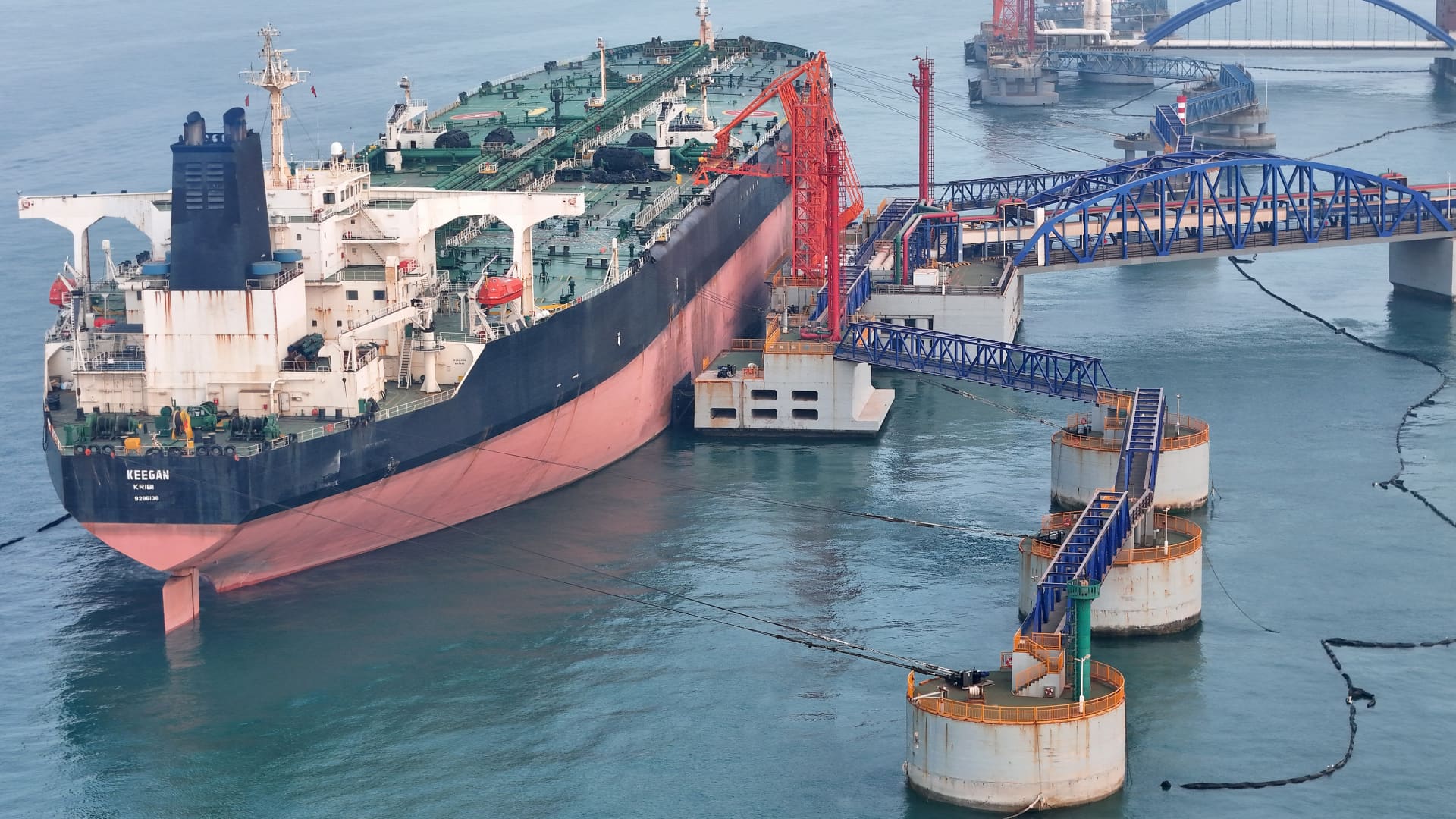
The wildcard in this volatile environment is China, which has spent months acting as a stabilizing force by drastically cutting its own consumption. By slashing imports by millions of barrels per day and leaning on a massive strategic reserve of over one billion barrels, Beijing effectively placed itself on a crash diet that kept global prices from spiraling completely out of control. However, experts suggest that China is finally getting hungry again. As refining margins for products like diesel soar due to lost capacity elsewhere in the world, Chinese refiners find it financially impossible to stay on the sidelines, creating a new wave of demand that could push prices even higher.
Despite this renewed appetite, some researchers believe Beijing will remain a disciplined player rather than triggering a blind buying spree. Data shows imports have ticked up slightly from their June lows but remain far below pre-war levels. Savvy buyers in China are expected to balance their needs using existing inventories rather than aggressively bidding up crude into triple digits. Still, this caution may not be enough to stop the upward trend because global stockpiles have plummeted by roughly 400 million barrels over six months of sustained warfare, removing another critical buffer against price spikes.
As the season shifts and hopes for a swift diplomatic resolution fade, investors seem less responsive to government attempts to calm the markets through rhetoric alone. The tendency for traders to sell off based on promises of impending peace appears to be waning as reality sets in regarding the persistence of current conflicts. With emergency reserves dwindling and China returning to the market just as supply chains tighten, oil is entering a precarious phase where any further disruption could easily send prices testing historic highs once again.


Comments are closed.