
Archive

August 25, 2026

Browsing

A promising diplomatic thaw between Ottawa and Washington turned ice cold this week as trade negotiations abruptly collapsed on August 21. Despite earlier signs of progress and a brief extension of deadlines by President Donald Trump, the talks derailed in their final hours. Prime Minister Mark Carney recalled Canadian representatives after U.S. negotiators attempted to insert restrictive language that would limit Canada’s ability to pursue independent trade deals with other nations, a move Carney described as completely unacceptable given Canada’s recent success in expanding its global market access.

The fallout extends far beyond diplomatic disagreements over sovereignty, hitting the industrial heartlands of both nations. A major point of contention was the U.S. refusal to extend tariff relief to heavy duty vehicles, leaving iconic trucks like the Ford F250 and Chevrolet Silverado produced in Ontario vulnerable. Further complicating matters were American objections to Quebec’s cultural safeguards and French language requirements, which the Trump administration continues to view as unfair trade barriers. With the collapse of the deal, various tariffs are now in effect, though essential exports such as oil, gas, and potash remain temporarily exempt.

As tensions escalate, domestic political pressure is mounting within Canada. Ontario Premier Doug Ford has taken a hardline stance, suggesting that everything remains on the table to bring the U.S. back to terms, including a potential cutoff of electricity and critical mineral exports. This suggestion prompted a characteristically sharp response from President Trump, who dismissed Ford as a flunky and demanded he fall in line. The dispute over critical minerals had already been a simmering issue throughout the talks, particularly after reports surfaced that the U.S. sought a right of first refusal for all minerals mined in Canada.

While Prime Minister Carney has expressed a willingness to return to the bargaining table provided there is a change in attitude from Washington, he has also pledged reciprocal dollar for dollar tariffs starting September 8. Meanwhile, President Trump has doubled down via social media, threatening to hike tariffs on all automobiles to 50 percent by early 2027 citing a massive trade deficit. However, economists note that this figure ignores the vast difference in scale between the two economies and overlooks how much more Canadians spend per capita on American goods than vice versa.


The global landscape of nickel production has undergone a dramatic transformation in recent years, defined largely by the meteoric rise of Indonesia. Once a modest player in the market, Indonesia now dominates the industry, producing a staggering 2.6 million metric tons of nickel in 2025 alone. This represents roughly 67 percent of the entire world’s output, leaving former leaders like the Philippines and New Caledonia far behind. Much of this growth has been fueled by massive investments from China and strategic partnerships with automotive giants like Ford and Hyundai, as the world shifts away from internal combustion engines toward electric vehicles.

While stainless steel remains the primary driver of nickel demand, the surge in EV battery production has created a new frontier for the base metal. To capitalize on this, Indonesia has invested heavily in advanced processing technologies, such as high-pressure acid leaching plants that convert raw ore into battery-grade materials. However, this aggressive expansion came with a cost. An explosion in supply eventually led to an overproduction crisis, sending prices tumbling and forcing mining operations in other parts of the world to shut down because they could no longer compete with Indonesia’s low costs.

This volatility has hit other major producers particularly hard. The Philippines saw its production drop by 24 percent in 2025, hampered by plunging prices and strict local environmental regulations, including a fifty year ban on new mining permits in certain provinces. Interestingly, instead of competing directly on refined products, some Philippine mines have begun exporting their raw ore back to Indonesia to feed its hungry upgrading facilities.

To stabilize the crashing market, the Indonesian government recently stepped in to tighten output quotas for 2026. These announced cuts sparked a brief rally in pricing late last year and early this year, though rates have yet to climb high enough to encourage Western companies to restart their dormant mines. As these nations navigate the balance between green energy demands and economic stability, Indonesia continues to hold most of the cards in what has become a highly concentrated global market.

FIRST ON FOX: U.S. Immigration and Customs Enforcement (ICE) quietly arrested more than 1,000 illegal immigrants in the Washington, D.C., region in what federal sources said was one of the agency’s most successful operations to date.

Multiple ICE sources told Fox News that the agency arrested 1,328 illegal immigrants over 14 days in the Washington, D.C., suburbs. The arrests took place in Virginia and Maryland, both of which have sanctuary-type policies in place.

Of those arrested, almost 400 illegal immigrants had criminal convictions or pending criminal charges, including a Salvadoran national wanted in Richmond, Virginia, on a murder warrant. Other crimes included rape, sexual assault, kidnapping, DUI, robbery and attempted murder.

ABIGAIL SPANBERGER’S VIRGINIA A ‘HOTBED’ FOR ILLEGAL IMMIGRANT CRIME, DHS SAYS AFTER LATEST RAPE CHARGE

The operation comes as Maryland and Virginia, particularly Fairfax County, Virginia, have seen significant crime involving illegal immigrants, including violent and sexual offenses.

The operation, titled “Operation Safe Community — Washington, D.C.,” took place from Aug. 1-14.

Homeland Security Secretary Markwayne Mullin told Fox News that “the brave men and women of ICE are hard at work every single day getting these dangerous illegal aliens out of our country.”

TRUMP ADMINISTRATION’S IMMIGRATION PUSH FUELS ICE’S BIGGEST ARREST MONTH IN AGENCY HISTORY

“Over the course of just two weeks in Virginia and Maryland, they arrested sexual assailants, kidnappers, drunk drivers, robbers, and gang members,” Mullin said.

Mullin added that “while sanctuary politicians in Virginia and Maryland keep putting the needs of illegal aliens over the safety of the American people, the Trump Administration will always put American citizens first.”

SIGN UP TO GET THE POLITICS NEWSLETTER

“By arresting and removing illegal aliens from our communities, we will make America safe again,” Mullin said.

This post appeared first on https://www.foxnews.com

Senate Republicans racing to keep their grip on power have beef with President Donald Trump’s latest affordability push.

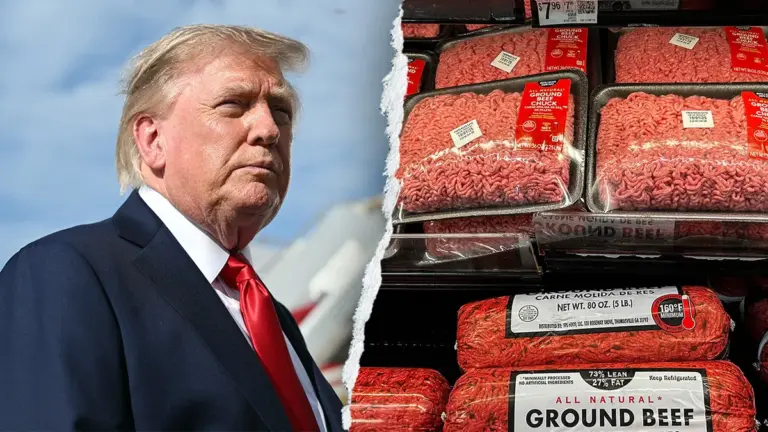
A handful of Republicans in the upper chamber aren’t happy with Trump’s directive to allow hundreds of thousands of tons of foreign beef into the U.S. in a bid to lower grocery bills. It comes as Americans’ struggles with everyday affordability have erupted as a key issue for voters across the country.

Sen. Tom Cotton, R-Ark., who is up for re-election this cycle and is one of Trump’s top allies in the Senate, argued that beef prices are high “for a simple reason: Our cattle herd is too small.”

TRUMP URGED TO STOP TARGETING FELLOW REPUBLICANS AS GOP FIGHTS TO KEEP MAJORITY

“Imported beef below market prices will only put more pressure on our cattlemen,” Cotton said on X. “I have advised the President against this ill-advised action in the past and I now urge him to reconsider. We need to support our cattlemen, grow the herd, and let the market work.”

Trump last week announced on Truth Social his intent to flood the market with 300,000 metric tons of imported ground beef with a commitment that the product would be sold at 25% below current market prices over a 90-day span.

It comes as ground beef prices have soared to roughly $7 per pound, while the nation’s cattle herd earlier this year hit historic lows not seen since the 1950s, according to data from the U.S. Department of Agriculture (USDA).

TOP GOP GROUP PUMPS $37M INTO FIGHT ON KEY ISSUE DOMINATING MIDTERM RACES: ‘MUCH MORE TO COME’

Trump defended his import plan as he headed to South Carolina to stump for Sen. Darline Graham, R-S.C., arguing “that’s what the people want.”

“That’s what the voters want, and that’s what I want. The ranchers are great. They’re my people. I love the ranchers,” Trump said. “They’ve done a fantastic job, but they admit that we need a little help in order to get the prices down, so that’s what we’re doing.”

Neither Trump, nor the administration, has so far said which countries the ground beef would come from. But earlier this year, he signed an executive order similarly aimed at lowering beef prices by allowing an influx of 80,000 metric tons of beef trimmings from Argentina.

Republicans at the time privately fumed over the directive in a closed-door meeting in the Senate with Vice President JD Vance.

And now, Republicans running for office in America’s heartland again disagree.

“I want to lower prices, but this is a bad idea,” Rep. Ashley Hinson, R-Iowa, said on X.

SENATE MAP TIGHTENS AS TOP FORECASTER MOVES 3 RACES TOWARD DEMOCRATS

Hinson is running in one of the tightest races in the country to replace retiring Sen. Joni Ernst, R-Iowa. Cook Political Report rated the race a toss-up last week.

Other in-cycle incumbents aren’t thrilled with Trump’s push, either. Sen. Mike Rounds, R-S.D., charged, “This Hurts!,” while Sen. Pete Ricketts, R-Neb., contended that he appreciated the work to “lower grocery prices,” but warned that “short-term policy shifts do not equal long-term solutions.”

“Flooding the market with lower quality beef compromises Nebraska farmers and ranchers,” Ricketts said.

Trump’s other key Senate allies aren’t thrilled with the plan either.

Sen. Tim Sheehy, R-Mont., said he’s advised Trump not to do this for the last year because it would harm American ranchers, “most of whom are MAGA Republicans.”

“The president’s heart is in the right place on wanting lower prices for the American people, and beef prices have been impacted by the Mexican screwworm,” Sheehy said.

The White House and the USDA did not immediately respond to requests for comment.

This post appeared first on https://www.foxnews.com

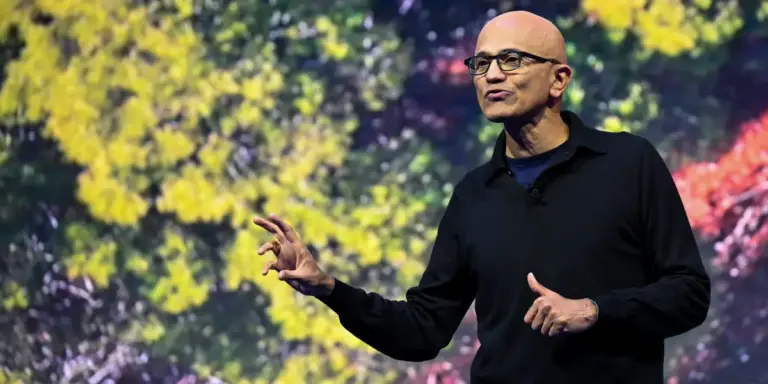
A glimpse into the inner workings of Microsoft’s payroll has emerged after an internal spreadsheet was leaked, revealing how the tech giant compensates its staff during the high stakes race for artificial intelligence supremacy. The document, which contains reports from nearly 600 employees, breaks down base salaries, annual raises, cash bonuses, and stock awards across various departments. While Microsoft declined to comment on the leak, the data highlights a clear corporate priority: keeping top tier talent in cloud computing and AI from being lured away by rivals like Google, Meta, and OpenAI.

The figures suggest that while base pay remains steady across many roles, stock awards are where the real competition happens. In some cases, these equity grants dwarf standard yearly raises and bonuses, serving as a powerful golden handcuff for specialized engineers and researchers. For instance, reporting from the Cloud plus AI division showed a massive range in potential earnings, with some stock rewards reaching as high as 1.4 million dollars. This aggressive approach to compensation reflects the immense pressure on Microsoft to ensure its multi billion dollar investments in AI infrastructure actually yield results through expert execution.

However, experts caution that this dataset should be viewed as a snapshot rather than a complete financial audit. Because the information was shared voluntarily and anonymously by employees seeking pay transparency, it represents only a tiny fraction of Microsoft’s total workforce of over 220 thousand people. There is also a likelihood that senior executives or those with exceptionally high salaries opted out of contributing to the sheet altogether, meaning the reported averages could potentially lean lower than reality.

This wave of transparency comes at a complicated time for the company’s culture. Even as it pays premiums to attract AI specialists, Microsoft has recently navigated several rounds of layoffs throughout July. The disparity between lavish payouts for elite technical talent and broader workforce reductions underscores the volatile nature of the current tech landscape, where specific skill sets have become exponentially more valuable almost overnight.

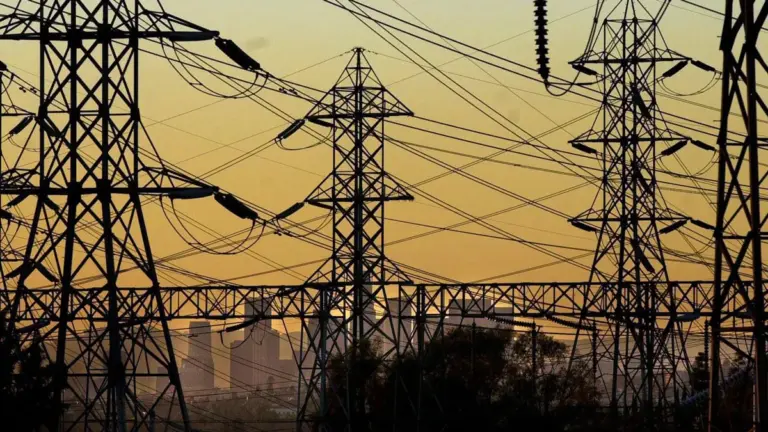
Iran-linked hackers are suspected of forcing a small British power generator offline for four days last month, the latest sign that Tehran-linked cyber activity may be moving from probing vulnerable systems to causing disruptions U.S. officials have long warned about.

Iran-linked hackers were behind the outage, according to British security officials who spoke with multiple news outlets.

“To be clear: there was no threat to the wider grid and nobody lost power. We have one of the most resilient energy systems in the world,” UK Energy Minister Michael Shanks said in a statement.

He described the generator as “tiny” but said his department had briefed CEOs following the intrusion on “steps they should take to stay secure.”

WATER CYBERATTACK HITS AT LEAST 7 STATES

The British shutdown came weeks after hackers struck more than 30 community water systems in Minnesota, accessing technology used to remotely monitor and control pumps and other equipment. Minnesota officials have not publicly attributed the attacks. Several news outlets, citing U.S. officials and a leaked industry threat-sharing memo, reported that Iran was the likely culprit. President Donald Trump has publicly rejected that assessment, saying he did not believe Iran was to blame.

Together, the incidents are putting civilian infrastructure at the center of another front in the conflict between the U.S. and Iran. As the military confrontation stretches into its sixth month, relatively small and often lightly defended water and energy facilities offer hackers a way to cause physical disruption without penetrating a major power grid or striking a military target.

Those facilities can be especially vulnerable because many rely on internet-connected industrial control systems that allow operators to monitor and manage physical equipment remotely. Once inside, hackers can interrupt operations, lock out operators or manipulate controls for pumps and other machinery.

In a July alert, the FBI and Environmental Protection Agency said malicious actors had targeted water and wastewater utilities in at least seven states by accessing exposed programmable logic controllers and changing their internet addresses and passwords. Some incidents disrupted water operations, causing reported pressure loss and flooding.

Federal agencies have also warned that Iranian-affiliated actors have targeted similar industrial devices across water, energy and government sectors, seeking access to the software used to control them. That activity has already caused operational disruptions and financial losses.

IRAN’S PROXY WAR HAS CROSSED OCEANS AND IS NOW KNOCKING ON AMERICA’S DOOR

Iranian hackers have pursued U.S. infrastructure before.

The threat extends beyond industrial systems. On Aug. 18, the Justice Department charged 17 members of an Iran-based company with carrying out a sweeping cyber theft campaign targeting hundreds of universities, private companies and government agencies. Prosecutors said many of the intrusions were conducted on behalf of the IRGC and other Iranian entities and resulted in the theft of more than 31 terabytes of academic data and intellectual property.

In 2016, the Justice Department charged an Iranian hacker with gaining access to the control system for a dam in Rye, New York. The dam’s sluice gate had been disconnected for maintenance at the time, preventing him from manipulating water levels and flow rates.

More recently, U.S. agencies linked an IRGC-affiliated campaign known as CyberAv3ngers to compromises of Israeli-made industrial controllers at dozens of U.S. facilities in late 2023 and early 2024, including water and wastewater systems, energy companies, food manufacturers and healthcare organizations. The campaign exploited devices exposed to the public internet that were still using default passwords.

SIGN UP TO GET THE POLITICS NEWSLETTER

The more recent attacks underscore how little access may be required to produce a physical effect. In Minnesota, compromised controllers affected systems used to track water levels, pressure, pump operations and equipment alarms; in some communities, equipment was temporarily taken offline while operators restored systems.

Whether Tehran intends a wider campaign against Western infrastructure remains unclear. But the four-day shutdown in Britain illustrates what hackers can do once they gain access to a small industrial system: disrupt physical operations without breaching a major grid operator or triggering a blackout large enough to invite an immediate military response.

This post appeared first on https://www.foxnews.com

Zillow and Redfin have reached a settlement with the Federal Trade Commission and five state governments, bringing an abrupt end to a legal battle that was set to go to trial this Monday. The dispute centered on a controversial 2025 partnership agreement that regulators claimed stifled competition within the rental listing market. At the heart of the case was a deal where Zillow allegedly paid Redfin 100 million dollars to essentially step aside, ensuring Redfin would display Zillow’s listings instead of competing for rental advertisers using its own properties like Rent.com and ApartmentGuide.com.

While both companies maintained that the arrangement was designed to benefit renters by providing them with a broader selection of homes, the FTC and attorneys general from Arizona, Connecticut, New York, Virginia, and Washington saw it differently. Regulators argued that Zillow was effectively paying off its biggest rival to maintain a monopoly, a move they believed could lead to higher costs for property managers and lower quality service for consumers seeking rentals. Had the deal remained intact, it could have sidelined Redfin from independent competition in the sector for up to nine years.

Under the terms of the new settlement, Redfin is now required to reenter the rental advertising business fully. While Redfin can still display Zillow’s listings on its sites, all previous restrictions preventing it from courting its own property management clients have been lifted. This means Redfin is free to sell its own advertising and pursue new customers without having to share proprietary business data with Zillow.

This resolution follows a broader trend of aggressive federal oversight regarding corporate dominance, mirroring recent Department of Justice actions against other industry giants like Ticketmaster. By forcing these changes, regulators hope to ensure that the digital real estate landscape remains competitive enough to prevent any single platform from dictating prices or limiting consumer choice in the housing market.

David Ellison has spent nearly a year chasing a massive expansion of his media empire, but the finish line remains stubbornly out of reach. The Paramount CEO and son of billionaire Larry Ellison is currently locked in a high stakes battle to acquire Warner Bros. Discovery in a deal valued at roughly 110 billion dollars. While most global regulators and the U.S. Department of Justice have already signed off on the merger, a coalition of state attorneys general led by California’s Rob Bonta has stepped in to block the move, citing significant antitrust concerns regarding the combined power of their film studios and cable networks.

The standoff has turned personal and political, creating a volatile atmosphere as the two sides drift toward a trial scheduled for March. Bonta has positioned himself as a regulatory watchdog, suggesting that previous federal administrations failed to properly scrutinize such mergers. Adding fuel to the fire are the Ellison family’s ties to Donald Trump, whose public support for seeing CNN land in Paramount’s hands has cast a shadow over the proceedings. As the clock ticks, the delays are becoming costly, placing additional financial strain on media entities already struggling under immense industry pressure.

In an attempt to break the deadlock, Ellison has deployed an aggressive variety of tactics ranging from public relations blitzes to hardline negotiations. After publishing an op ed defending the merger and offering lucrative guarantees to movie theaters to ensure steady film releases, Paramount reportedly floated the idea of moving its headquarters out of California entirely. This maneuver backfired spectacularly, with Bonta labeling the threat as blackmail rather than a legitimate business pivot.

Despite these tensions, recent attempts at diplomacy seem to have collapsed into mutual distrust. Recent meetings between Paramount representatives and Bonta’s office ended abruptly after leaks about potential settlements surface in the press. Bonta accused Paramount of acting in bad faith and playing games, while company officials deny being the source of any leaks. With trust at an all time low and legal deadlines looming, Ellison remains confident that the deal will eventually close, even hinting that he is prepared to take the fight all the way to the Supreme Court if necessary.

Situational Awareness, once the darling of Wall Street’s artificial intelligence craze, is facing a sudden and severe crisis after a meteoric rise. The hedge fund, helmed by former OpenAI employee Leopold Aschenbrenner, built its reputation on an aggressive investment strategy centered entirely on AI technologies. While this approach initially yielded staggering growth and turned the young founder into a focal point of financial obsession, the tide turned sharply at the end of July when a market downturn in AI stocks wiped out billions of dollars in value almost overnight.

Adding to the firm’s woes, federal regulators have now entered the picture. According to reports from The New York Times, the Securities and Exchange Commission has begun issuing subpoenas to banks that handled the fund’s trading activities and provided necessary financing. These investigators have specifically instructed these financial institutions to preserve all records related to their dealings with Situational Awareness as part of an ongoing probe into the firm’s operations.

While the SEC has not officially accused Situational Awareness of any illegal activity, the timing of the investigation adds significant pressure to a company already reeling from massive losses. In response to the development, a spokesperson for the fund told reporters that such scrutiny is common for high profile firms and stated that they intend to cooperate fully with all regulatory requests.

The rapid ascent and subsequent stumble of Situational Awareness may ultimately serve as a sobering reminder for investors regarding the volatility of the tech sector. By hitching its entire existence to the perceived inevitability of AI dominance, the firm became a symbol of both the industry’s potential and its fragility, illustrating how quickly confidence can evaporate when market expectations clash with reality.

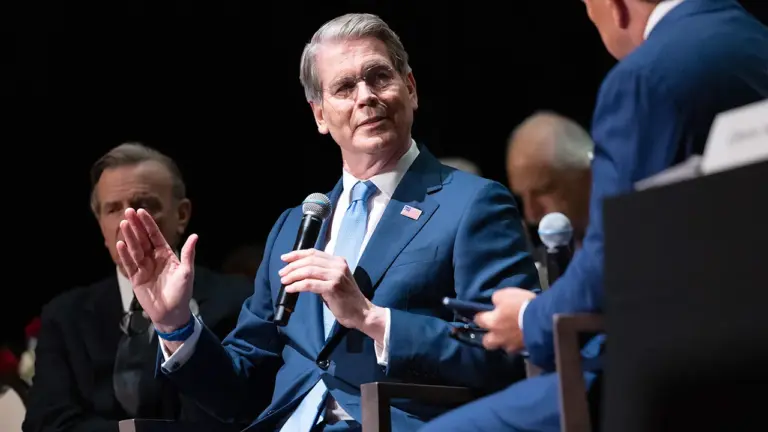
Treasury Secretary Scott Bessent clarified on Monday that the United States will maintain its standard schedule of debt auctions, easing concerns that a recent expansion of security buybacks might signal a shift in how the government manages its borrowing. Speaking at a press conference primarily focused on economic sanctions against Iran, Bessent pushed back against suggestions that the Treasury might reduce the size of long term debt auctions to keep yields low. He confirmed that investors should expect the regular auction cycle to resume at the start of next quarter.

The comments come shortly after the Treasury Department announced it would significantly increase its buyback capacity for longer dated securities, raising the minimum floor from two billion dollars to four billion dollars per operation. This move is designed to inject liquidity into thinner parts of the market, specifically within thirty year bonds, which have recently struggled to compete with high yielding corporate bonds fueled by the massive infrastructure spending surrounding artificial intelligence development. While these changes take effect September 9, Bessent noted that no bonds have actually been purchased under this new structure yet.

This strategic adjustment arrives at a precarious moment for U.S. finances, as national debt recently surpassed forty trillion dollars for the first time in history. Rising Treasury yields create immense fiscal pressure by increasing the cost of servicing this mountain of debt. Although previous announcements regarding buybacks caused a temporary dip in yields for ten and thirty year notes, those gains mostly vanished by the end of last week, leaving markets searching for stability amidst ongoing geopolitical volatility.

Questions remain regarding how exactly these buybacks will be funded since the Treasury has not explicitly named a source. Analysts suggest the government may draw from its general account at the Federal Reserve, which currently holds roughly nine hundred and forty billion dollars. Using these cash reserves would avoid the need to issue new short term debt but would simultaneously deplete the federal government’s primary checking account used for everything from employee salaries to contract payments and tariff refunds.