Archive

August 28, 2026

Browsing

President Donald Trump took to social media ahead of the latest round of Republican primary elections to emphasize, “My Endorsements are stronger than ever….There has never been anything close!”

The numbers back up the president’s assertions that despite some setbacks, he remains the ultimate kingmaker in GOP nomination showdowns.

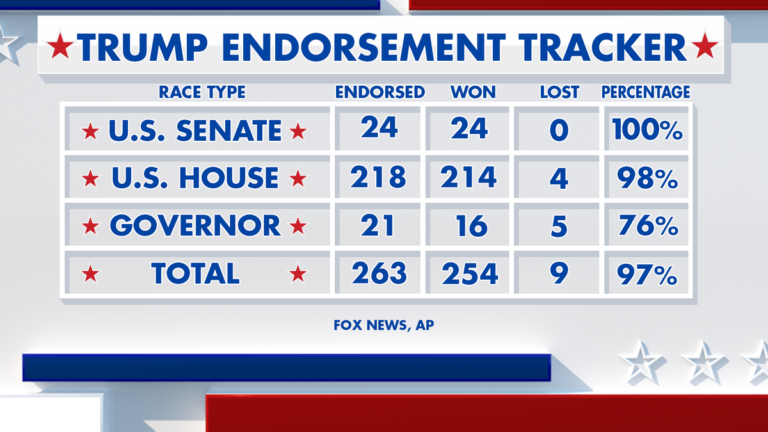
According to a Fox News Trump Primary Endorsement Tracker, the president is batting a thousand in Senate primaries so far this cycle, with all 24 of his endorsed candidates winning their contests.

In House races, Trump has a nearly perfect record, with 214 of the 218 candidates he endorsed winning their primaries.

DEMOCRACY ’26: STAY UP TO DATE WITH THE FOX NEWS ELECTION HUB

In gubernatorial showdowns, Trump-backed candidates have suffered a handful of high-profile defeats, but overall, 16 of the 21 contenders for governor the president has endorsed have captured the party’s nomination.

This week, Trump-backed candidates scored statewide victories in two very competitive contests.

Trump-endorsed Sen. Darline Graham of South Carolina, who was recently appointed to fill the remaining months of her late brother Sen. Lindsey Graham’s current term, edged conservative Rep. Ralph Norman in a runoff to win the GOP Senate nomination for November’s election. Graham will face the Democratic nominee in November in the race for the final months of her late brother’s Senate term.

WHAT THE LATEST FOX NEWS POWER RANKINGS IN THE MIDTERM RACES SHOW

In Oklahoma, former state budget secretary and former state Sen. Mike Mazzei captured the GOP gubernatorial nomination by just 2,000 votes over rival Gentner Drummond, the state attorney general.

“I supported and ENDORSED two so-called ‘underdogs’ yesterday, one from South Carolina, and the other from Oklahoma, and they BOTH WON,” the president posted on social media Wednesday, following Tuesday’s primaries.

The president pulled out all the stops to help push Graham, whose stumble over international affairs during a debate last week grabbed national attention, over the finish line.

Trump headlined a rally for Graham on Friday in Myrtle Beach, where he pledged federal funding for a long proposed new interstate highway in South Carolina. He also held a tele-rally for her on the eve of the primary. And MAGA Inc, the top Trump-aligned super PAC, dished out nearly $900,000 to support Graham’s campaign.

SIGN UP TO GET THE POLITICS NEWSLETTER

But the Trump endorsement hasn’t proven to be a sure bet this cycle in South Carolina.

Trump backed Lt. Gov. Pamela Evette for the GOP gubernatorial nomination — in the race to succeed the term-limited McMaster — ahead of the state’s early June primary.

Evette was the top vote-getter in the primary but lost the ensuing runoff election against South Carolina Attorney General Alan Wilson in a landslide. And Trump, ever hungry for a victory, endorsed Wilson in addition to Evette days before the runoff.

It’s undeniable that Trump has dramatically reshaped the GOP since his first White House victory a decade ago, with the populist MAGA and America First wings gaining prominence over more traditional fiscal and social conservatives.

And the president’s grip over party politics remains extremely firm.

But he has had some setbacks, with five of his gubernatorial picks in Republican primaries this year going down to defeat. Besides South Carolina’s Evette, that list includes Georgia Lt. Gov. Burt Jones and Rep. Randy Feenstra of Iowa, who lost nominating contests this spring. And two weeks ago, Wyoming Superintendent of Public Instruction Megan Degenfelder and Minnesota businessman and “My Pillow” founder and former CEO Mike Lindell fell short.

HEAD HERE FOR THE LATEST FOX NEWS POLLS IN THE MIDTERM ELECTIONS

Meanwhile, two House incumbents endorsed by the president also lost their bids for renomination this month: Reps. Andy Ogles of Tennessee and Cory Mills of Florida, who was facing multiple controversies.

“The Republican Party is Trump’s party, and there’s no question that an endorsement from the president provides a tremendous boost in a Republican primary. But it doesn’t necessarily mean the candidate’s going to win,” veteran GOP strategist and communicator Ryan Williams told Fox News Digital.

Williams said that “the president still has a firm grip on the party, even in places where a candidate he backed loses a nomination.” But he noted that “if there are underlying issues with a candidacy, those can pose problems that even an endorsement can’t overcome.”
After raging against a key tool in President Donald Trump’s economic arsenal, Senate Democrats quietly green-lit the authority before they left Washington, D.C.

Democrats have bashed Trump’s use of tariffs since they were first floated during his campaign in 2024, and have taken every chance to challenge and push back against duties imposed on other countries throughout his second term.

But nearly the entire Senate Democratic caucus voted in favor of giving Trump limited tariff authority in exchange for bone-crushing sanctions against Russia. Only nine Democrats, and Sen. Rand Paul, R-Ky., ultimately voted against the package.

PUTIN, RUSSIA PUT ON NOTICE AS SENATE TAKES CRUCIAL STEP TO GRIND DOWN THE KREMLIN’S WAR MACHINE

Now, Trump has ignited a trade war with Canada, introducing 50% tariffs against the country on roughly $20 billion worth of goods, which has reignited the debate on the campaign trail and as Democrats seek to flip the Senate and corral his authority.

Some warned that giving congressional approval would allow the administration to abuse the power.

“It gives Donald Trump massive new tariff authority that he can use to threaten our trading partners and raise prices on the American people,” Sen. Ron Wyden, D-Ore., said on the Senate floor. “I believe senators will come to deeply regret voting to give Donald Trump this tariff authority.”

Though not directly connected to the authority granted in the sanctions package, which directly deals with countries buying oil from Russia, Trump’s move to enter into a fight with one of America’s top trade partners is what he warned of: giving the White House congressional leeway.

TRUMP ALLIES PUSH TO ARM PRESIDENT WITH NEW TARIFF WEAPON TO PUNISH COUNTRIES ‘RIPPING OFF’ AMERICA

The tariff authority baked into the sanctions package would allow Trump to issue levies of up to 500% on Russian imports and tariffs of up to 100% on the top five countries buying Russian energy, like China and India.

Sen. Richard Blumenthal, D-Conn., who, alongside the late Sen. Lindsey Graham, pushed the package for nearly two years, told Fox News Digital that if Trump strays outside the legal confines built into the package, the courts will block him as they did with his sweeping tariffs unveiled on “Liberation Day” last year.

“If Donald Trump wants to break this law, he will be restrained by the courts, just as when he broke the law on tariffs previously,” Blumenthal said. “We can’t do any more than be explicit in limiting his authority to the top five purchasers, and only those countries, by the terms, specific in the legislation.”

Sen. Elizabeth Warren, D-Mass., who went on to vote against the package, told reporters last month that Trump “has shown what he will do with broad tariff authority.”

TRUMP BET TARIFFS WOULD BRING BACK AMERICAN FACTORY JOBS. NEW REPORT SAYS IT DIDN’T WORK

“Heck, he’s shown what he’ll do even if he doesn’t have authority,” she said.

And Paul, who has been one of the lone Republicans to consistently oppose Trump’s use of tariffs, introduced an amendment alongside Wyden to strip them from the broader package, warning that the duties were nothing more than an additional tax on the American people.

“Do not let sympathy for Ukraine blind you to the reality of tariffs,” Paul said.

One Senate Democrat, Sen. Raphael Warnock, D-Ga., received guarantees from U.S. Trade Representative Jamieson Greer that the tariffs baked into the sanctions package would just be limited to the top five energy trading partners with the Kremlin.

He told Fox News Digital that the concern was that Trump could broadly bend the rules in the package and impose duties as he pleased, which is why he sought guardrails and commitments from the administration.

“It was important to hold [Vladimir] Putin accountable. He is a war criminal,” Warnock said. “His aggression towards Ukraine has national security implications for us. But at the same time, it was important to put some guardrails on this president. And I think I made considerable progress in making sure that that happens.”

This post appeared first on https://www.foxnews.com

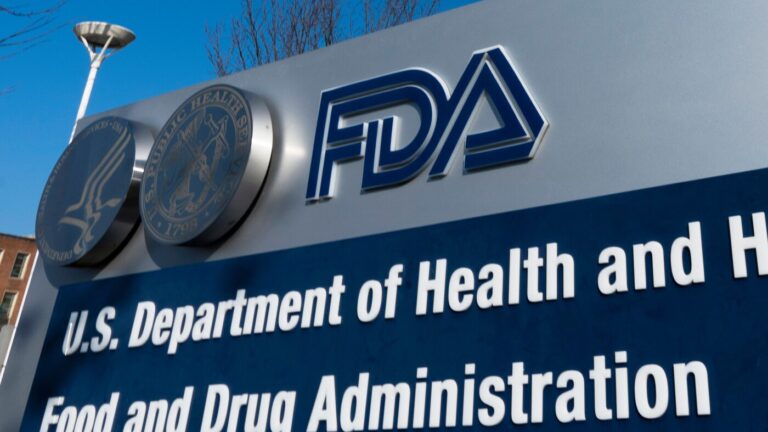
The U.S. Food and Drug Administration has granted expedited approval to a groundbreaking new medication for advanced pancreatic cancer, marking a potential turning point in the fight against one of the world’s deadliest diseases. The drug, developed by Revolution Medicines and marketed under the brand name Rasonque, is a first of its kind designed to block a specific mutated protein that drives tumor growth in over 90 percent of pancreatic cancer cases. For decades, scientists considered these particular mutations undruggable due to their complex structures, but this new daily pill utilizes a form of molecular glue to successfully bind with and neutralize those proteins.

Clinical results suggest the treatment could significantly extend life for those facing metastatic cancer that has stopped responding to traditional therapies. In a company funded study involving 500 patients, those receiving the drug saw their median survival time jump to 13.2 months, nearly doubling the 6.7 months seen in patients who received standard chemotherapy. While doctors emphasize that Rasonque is not a cure, they view it as a substantial victory given the typically low survival rates associated with pancreatic cancer, which often goes undetected until it has already spread to other organs.

Despite the medical breakthrough, accessibility remains a concern as the pharmaceutical company announced that a one month supply of the drug will cost approximately 39,800 dollars. Some patients had already gained early access to the medication through an expanded access program following high profile reports of its efficacy, including testimony from former Senator Ben Sasse regarding his reduced pain levels during treatment. Common side effects reported during clinical trials include skin rashes, mouth sores and various digestive issues such as diarrhea.

Medical experts believe this approval does more than just provide a tool for current patients; it opens the door for an entirely new class of oncology treatments. Because similar genetic mutations drive other forms of malignancy, researchers are now optimistic that this approach can be adapted for different tumor types, including lung cancer. By proving that these once untouchable proteins can be targeted effectively, regulators and physicians hope this milestone will spark a wave of innovation across the broader field of cancer research.

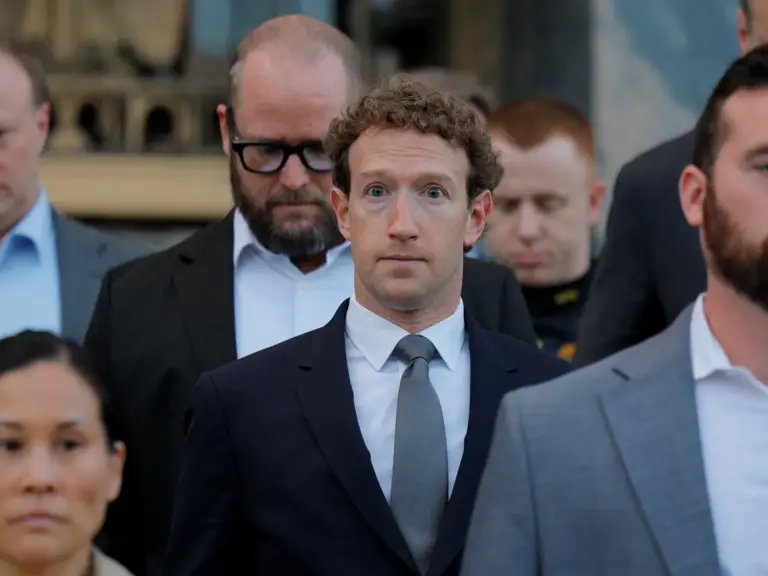
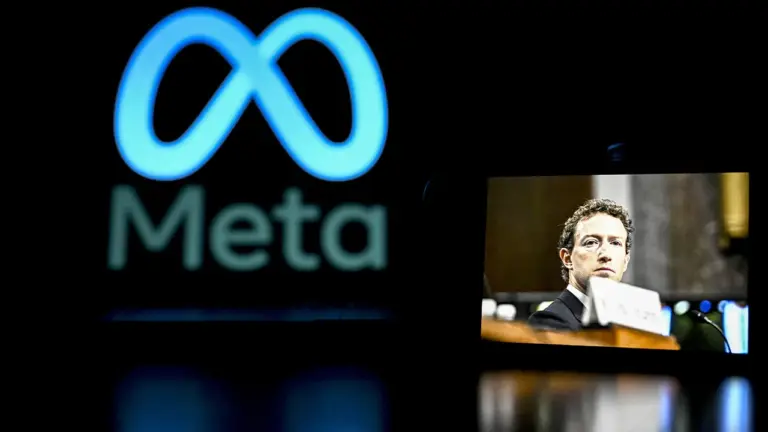
Meta has agreed to a massive 18 billion dollar settlement to resolve a series of lawsuits across 48 US states and territories, ending allegations that the company deliberately designed Instagram and Facebook to be addictive for children. While the financial penalty is significant, it represents only a small portion of the tech giant’s annual revenue. However, the real impact lies in the sweeping operational changes Meta must now implement to protect users under the age of 18, following damning evidence that the company was aware of the harm its platforms caused to adolescent mental health.

For millions of teenagers, the digital experience is about to become far more regulated. The settlement introduces strict usage limits, including a two hour daily cap and a nightly curfew between midnight and 6 a.m. To minimize distractions during the school day, Meta will also disable most push notifications between 8 a.m. and 3 p.m. Additionally, the company is moving to curb social anxiety by hiding likes and reactions on youth accounts by default and banning cosmetic filters that alter physical appearance unless parents specifically grant permission.

Parental oversight is set to expand dramatically under these new terms. Guardians will gain deeper access to their children’s activity, receiving reports on time spent on apps and lists of people their children are messaging. Most notably, Meta will alert parents whenever a teenager messages an adult for the first time or searches for keywords associated with eating disorders, self-harm, or suicide. This shift toward transparency aims to dismantle the private silos where many adolescents previously operated without adult supervision.

While advocates view this as a victory for child safety, some critics note that certain loopholes remain. The agreement does not force Meta to abandon personalized recommendations or targeted advertising, nor does it fully tackle algorithmic content that promotes unrealistic body images. Despite these gaps, analysts suggest this landmark deal could trigger a global ripple effect, providing a blueprint for other nations currently grappling with how to regulate social media giants in an era of rising youth mental health crises.

Meta Platforms has reached a historic 18 billion dollar settlement with 48 U.S. states, agreeing to implement sweeping changes to how teenagers interact with Facebook and Instagram. Over the next decade, the tech giant will roll out several mandatory safeguards for users under 18, including a strict two hour daily usage limit and a digital blackout period from midnight to 6 a.m. To ensure these rules are effective, Meta has pledged to overhaul its age verification systems using AI and third party tools to prevent children under 13 from accessing the platforms entirely.

Despite the scale of the agreement, some experts warn that limiting screen time is merely treating a symptom rather than the disease. Arturo Bejar, a former Meta engineering director who testified during the legal proceedings, compared the time limits to rationing harmful substances. He argued that telling a teen they can only have two hours of access is like saying they only get two hours of alcohol or cigarettes a day; it doesn’t change the fact that the content being delivered remains potentially toxic. Bejar expressed particular concern over algorithmic recommendations that keep teens hooked and distressed even after their allotted time expires.

Advocates for online safety remain skeptical about whether these measures go far enough, specifically noting that certain high risk features will remain opt-in rather than being disabled by default. Josh Golin of the nonprofit Fairplay pointed out that recommendation algorithms, which can lead vulnerable youth toward predators or dangerous content rabbit holes, are not automatically turned off under the deal. Critics argue that providing tools for parents to manage their children is not a substitute for fundamentally redesigning an addictive product architecture built for profit over protection.

Other industry observers view the settlement as a pivotal moment regardless of its flaws. Yael Eisenstat, another former Meta employee and current policy director at the Cybersafety Research Center, suggested that while previous safety tools often failed in practice, this agreement proves that restrictive alternatives are technically feasible. For years, whistleblowers claimed Meta ignored internal warnings about user safety to maximize engagement, but this court mandated shift suggests the era of total corporate autonomy over teen mental health may be coming to an end in the United States.

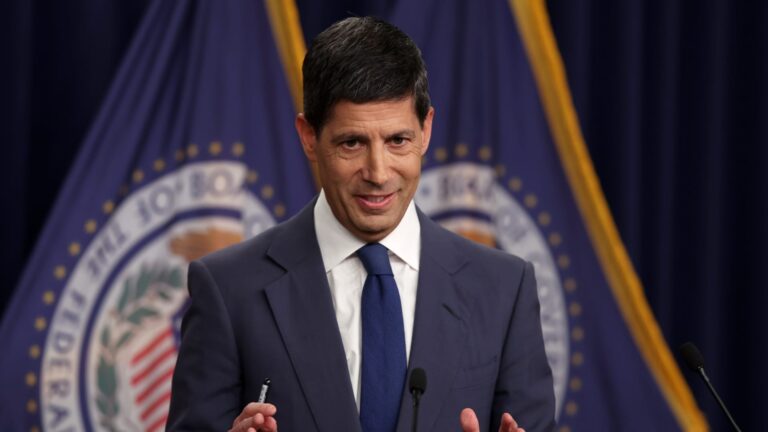
All eyes are on Wyoming this Friday as Federal Reserve Chairman Kevin Warsh prepares to deliver his highly anticipated keynote address at the annual Jackson Hole symposium. While the official theme of this year’s gathering focuses on financial innovation and payments, investors are searching for deeper clues regarding the future of monetary policy. Historically, Fed chairs have used this platform to outline broad strategic shifts or hint at upcoming interest rate moves, but Warsh has proven himself to be a wildcard since taking over in May.

Unlike his predecessors who often relied on carefully calibrated signals to guide market reactions, Warsh has adopted a more hands-off philosophy, preferring to let markets interpret economic data independently. This cryptic approach has left many analysts guessing. Some economists suggest he may stick to high-level discussions about his various internal task forces—which are currently reevaluating everything from inflation views to communication strategies—rather than providing the granular economic assessment that traders crave.

The stakes for Friday’s speech are particularly high due to a volatile environment involving rising Treasury yields and recent maneuvers by Treasury Secretary Scott Bessent. The Treasury Department recently announced plans to double its buybacks of older debt, a fiscal intervention that some experts argue contradicts Warsh’s preference for minimal interference. This puts the chairman in a difficult position, caught between his own ideological commitment to market independence and the reality of government action attempting to stabilize debt costs.

Market strategists warn that ambiguity could lead to instability. There is a growing concern among analysts that if Warsh avoids discussing specific triggers for rate hikes or cuts, investors might misinterpret his silence as being overly dovish. Such a misunderstanding could trigger a significant sell-off in long-dated Treasurys, potentially pushing 30-year yields toward levels not seen in decades. To avoid further turmoil, observers believe Warsh must abandon his penchant for mystery and offer clear, forthright guidance on how the Fed intends to handle inflation moving forward.

A massive seventeen billion dollar settlement from Meta may seem like a staggering sum to most, but for parent activist Cheryl Brown, it is nothing more than peanuts. Speaking with Fox Business, Brown expressed that while the legal agreement marks a step in the right direction, no amount of money can replace her daughter, McKenna, who was lost to cyberbullying and sexual harassment. For Brown and many other grieving families, the financial payout fails to address the systemic dangers inherent in social media platforms designed for young users.

While acknowledging some positive outcomes from the suit, such as banning children under thirteen and implementing overnight shutdowns for teenagers on Instagram, Brown argues these measures are superficial. She believes Meta is focusing far too heavily on providing parental tools rather than fundamentally altering how its algorithms interact with minors. According to Brown, these tweaks do not go far enough to prevent the psychological harm associated with platform addiction and online abuse.

Turning her attention toward leadership, Brown called on Mark Zuckerberg to stop waiting on the sidelines and actively support meaningful reform. She pointed to reports suggesting Zuckerberg hoped Congress would solve these issues before lawsuits forced his hand. However, Brown insists that true safety cannot come from corporate goodwill alone but must instead be codified into law through legislation like the Kids Online Safety Act.

As a leader within the ParentsSOS movement, Brown described the delay in passing this act through the House as asinine despite its broad bipartisan support in the Senate. She warned that lawmakers are ignoring a pervasive and preventable crisis that continues to claim lives every day. In her view, it is a tragedy that another catastrophe might occur before officials finally open their eyes to the reality of digital danger facing today’s youth.