Archive

October 9, 2026

Browsing

New York City Mayor Zohran Mamdani has come under fire for his comments on the Oct. 7, 2023, attack on Israel, but two leading voices in New York politics have so far remained quiet.

Mamdani’s post on Wednesday briefly acknowledged Hamas’ blitz on Israel that left more than 1,100 Israelis dead and more than 250 others captured and held hostage by the terrorist organization. But the bulk of his statement spent time on criticizing Israel for its actions in Gaza in the three years since.

“The suffering did not begin nor end that day. It instead continued through the Israeli government’s devastating, ongoing genocide in Gaza, in which it has killed more than 74,000 Palestinians — including more than 21,000 children,” Mamdani said on X. “Even since the so-called ceasefire, more than 1,400 Palestinians have been killed.”

MAMDANI DOUBLES DOWN ON ANTI-ISRAEL OCT 7 STATEMENT AFTER BACKLASH

“That suffering has intensified with every Israeli bomb dropped on ambulances waiting outside hospitals, every drone strike targeting a residential building or journalist, and every shipment of food aid turned away at a border crossing,” he continued. “Many New Yorkers are reckoning with this unbearable grief, and we mourn alongside them — all while knowing that our tax dollars fund these war crimes.”

Mamdani notably did not mention the Jewish community in New York City, which is home to nearly 1 million Jews, according to a 2023 study from the UJA-Federation of New York.

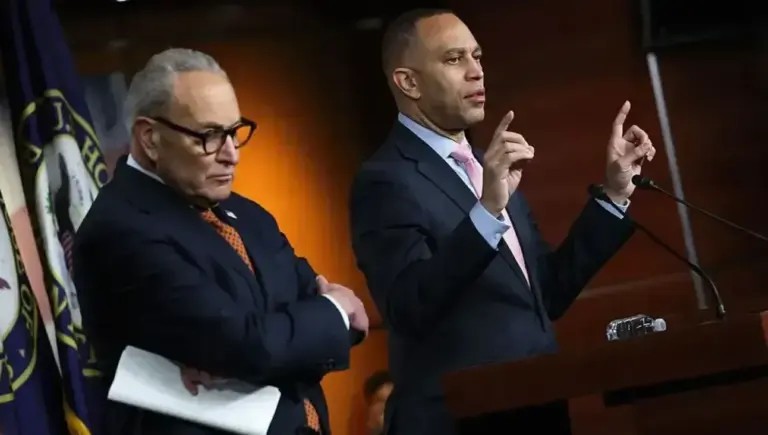
And while at least one New York Democrat, Rep. Dan Goldman, laid into Mamdani for his comments, neither Senate Minority Leader Chuck Schumer nor House Minority Leader Hakeem Jeffries, the two most powerful Democrats in Congress, has reacted.

MAMDANI’S $30M PLAN TO FIGHT ANTISEMITISM INCLUDES INCREASED FUNDING FOR ANTI-ISRAEL GROUP

“This is a reprehensible statement on the anniversary of the horrific terrorist attack by a Palestinian terrorist organization against innocent Israelis,” Goldman said on X. “In the guise of ‘grieving’ with those mourning that day, Mayor Mamdani asserts as fact hotly disputed allegations that he knows full well will offend and further upset those same people he pretends to grieve with.”

Neither Schumer nor Jeffries responded to requests for comment on Mamdani’s remarks. They put out their own statements on the Oct. 7 attack on Wednesday.

Schumer, who is Jewish, noted that the attack was the “single deadliest day in Jewish history since the Holocaust.” His support of Israel has become a wedge issue for some Senate Democrats, who have slowly pushed back against funding arms for Israel following three years of conflict in Gaza.

DEM SENATOR WHO DEMANDED SAUDI ACCOUNTABILITY OVER KHASHOGGI MEETS WITH CROWN PRINCE, PUSHES PALESTINIAN STATE

“Today, we reaffirm our commitment to the security of the Israeli people, to the aid and wellbeing of the Palestinian people and the recovery of the devastation in Gaza that the ensuing conflict brought, and to doubling down on efforts for a lasting peace resulting in two states where Israelis and Palestinians can live side by side in equal measures of peace, security, dignity, and mutual recognition,” Schumer said.

Jeffries was more aligned with Schumer’s left flank in his statement, while recognizing that “we are reminded of the painful reality that the Jewish people are in a constant struggle for survival, as has been the case for thousands of years.”

“Throughout the past three years, considerable suffering has plagued the Middle East. The horrific death of Palestinian civilians, destruction of civil society and devastation in Gaza is reprehensible and can never be allowed to happen again,” Jeffries said.

“In order to end the vicious cycle of bloodshed, for the good of the Israeli and Palestinian people, American policy in the region must change dramatically,” he continued. “We must commit to the creation of an independent Palestinian state to provide dignity, respect and self-determination for the Palestinian people.”

This post appeared first on https://www.foxnews.com

The U.S, District Court for the Southern District of New York charged former Venezuelan leader Nicolás Maduro and his wife Cilia Flores with conspiracy to commit torture to Americans and others to stay in power, according to a superseding indictment filed Thursday.

Maduro’s government, according to the indictment, “presided over a system of repression that relied on violence against political opposition, arbitrary detention, and the torture of detainees, including United States citizens.”

The torture included “electric shock, asphyxiation, rape, forced nudity, prolonged isolation, starvation, punishment cells, and psychological torture, such as threats to harm and kill victims’ families, including children,” the indictment read.

The charge carries a maximum of life imprisonment if any of the alleged torture resulted in death, and a maximum penalty of 20 years in prison if not.

FAMILIES SUE MADURO IN US, ACCUSE EX-PRESIDENT OF DIRECTING POLICE UNIT TIED TO EXTRAJUDICIAL KILLINGS

In one incident, the indictment alleges that a U.S. detainee in Venezuela was beaten for days and doused with a noxious liquid that made him vomit, which Venezuelan officers then allegedly made him eat.

WAR CRIMES COURT TURNS ‘BLIND EYE’ TO TOP WORLD THREATS WHILE TARGETING AMERICANS, TRUMP ADMIN ACCUSES

The detainee, who was allegedly accused of plotting to kill Maduro, was also subjected to electric shock torture to his torso and genitals and injected with a substance that induced seizures.

“On one occasion, CC-3 personally observed Victim-7 being electrocuted; laughed at and taunted Victim-7 during the electric shock; and directed other DGCIM officers in connection with the electric shock,” the indictment read.

MADURO’S ALLEGED ‘BAG MAN’ ALEX SAAB ARRESTED LESS THAN 3 YEARS AFTER BIDEN PARDON: REPORT

After spending eight-and-a-half months at Boleíta Norte prison in Venezuela, the detainee was released and returned to the U.S. in October 2022, according to the indictment.

The indictment alleges Maduro and Flores “inflicted severe physical and mental pain and suffering to repress and punish political opposition, silence dissent and perceived dissent, preserve and protect the power and authority of the members of the conspiracy, and intimidate, harass, and neutralize their opponents, including through kidnappings.”

The pair, who face numerous other charges, were arrested in Venezuela in January during Operation Absolute Resolve. Maduro was originally charged with narco-terrorism conspiracy, cocaine importation conspiracy, possession of machine guns and destructive devices, and conspiracy to possess machine guns and destructive devices in a 2011 indictment that President Donald Trump’s Department of Justice unsealed in 2020.

Flores was then charged in a superseding indictment in January with cocaine importation conspiracy, possession of machine guns and destructive devices, and conspiracy to possess machine guns and destructive devices. They have pleaded not guilty and a trial is scheduled for June 2027. 

EXCLUSIVE: FBI EXTRADITIONS SOAR AS PATEL RAMPS UP FOREIGN OUTREACH, VOWS ‘NO SANCTUARY’

Flores appeared in court Thursday for a bond hearing on her motion for release from jail. Her lawyers were requesting home confinement with GPS tracking, citing a heart condition and arguing she does not pose a danger to the community. U.S. District Judge Alvin Hellerstein denied the request.

The U.S. government opposes her release, arguing she poses a flight risk and danger to the public.

Flores’ attorneys say she denies the allegations against her, and both she and Maduro have filed motions to dismiss on diplomatic immunity grounds.

Fox News’ Maria Paronich and Patrick Ward contributed to this report.

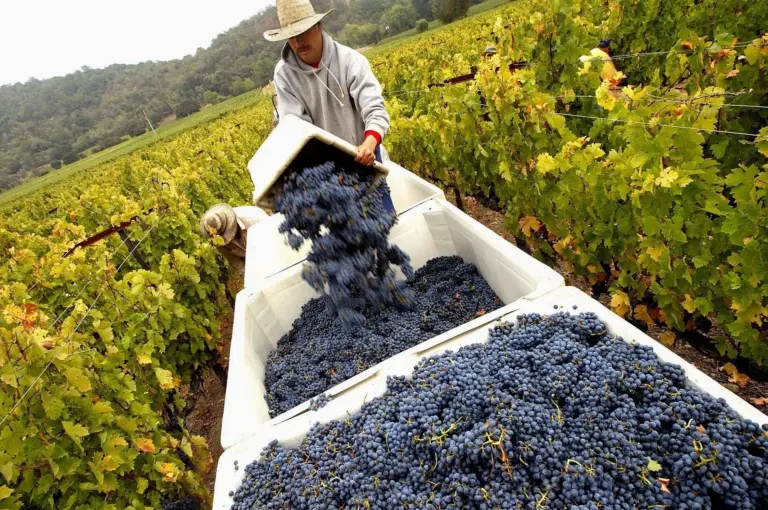
California’s massive eighty four billion dollar wine empire is facing a crisis of unprecedented proportions, leaving everyone from small family farms to global corporate giants wondering if it is time to rip out their vines. Economists warn that the industry hasn’t looked this bleak in generations, creating a volatile landscape where many producers may simply not survive long enough to see a recovery. The desperation is visible in high profile listings like the McManis family winery, a celebrated pioneer of sustainability in the San Joaquin Valley, which has recently hit the market for nearly seventy eight million dollars.

Much of the immediate pain stems from geopolitical friction and crumbling trade relations. A devastating Canadian boycott sparked by tensions within the Trump administration has gutted exports, causing some wineries to see their shipments to Canada plummet by ninety five percent in a single year. This shift alone cost the industry hundreds of millions of dollars according to the Wine Institute. Professor Dan Sumner of UC Davis suggests that while the industry survived Prohibition and the Great Depression, current data offers little comfort, describing the present situation as an unfamiliar and dangerous ravine.

Beyond tariffs and trade wars, there is a deeper cultural erosion occurring among consumers. For decades, the industry rode a wave of growth fueled by baby boomers who integrated wine into their nightly routines. However, younger generations aren’t picking up the habit at the same rate. Experts point toward a breakdown in traditional social structures, such as the disappearance of the weekday family dinner due to hectic schedules and youth sports. Even digital distractions are playing a role, with analysts suggesting that disposable income once spent at bars is now being diverted into online gambling apps.

While some optimistic voices suggest that these hardships could eventually lead to new opportunities for innovation, others argue that those claims lack empirical backing. The combination of shifting demographics and aggressive economic headwinds has left California grapes in a precarious position. As historic estates enter foreclosure or seek buyers, it becomes increasingly clear that returning to previous levels of prosperity will require more than just good weather; it will require a fundamental reimagining of how modern society consumes alcohol.

Most drivers barely glance at the diesel pump during a fill up, feeling a sense of relief that their personal vehicle runs on gasoline. However, while only a tiny fraction of passenger cars rely on diesel, the vast majority of the American economy does. From massive semi trucks and freight trains to the combines harvesting corn in the Midwest, diesel is the essential workhorse fuel that keeps goods moving. As prices climb toward record highs due to geopolitical conflicts in the Middle East and Ukraine, these costs are beginning to trickle down into the wallets of everyday consumers who may never actually buy a gallon of the fuel themselves.

The impact is felt most acutely in the agricultural sector, where timing couldn’t be worse for farmers currently in the heat of the fall harvest. High octane operations like combine harvesting can consume hundreds of gallons of diesel daily, forcing some growers to dig out vintage equipment from decades ago just to save a few cents per acre. These increased production costs don’t stay on the farm; they migrate toward supermarkets and warehouse stores. While transportation typically accounts for a small percentage of a food item’s total cost, certain products are far more sensitive to fuel spikes than others.

Consumers will likely see the biggest price jumps on items that travel long distances or require constant cooling. Fresh produce shipped from California or Washington state must endure thousands of miles in refrigerated trucks that burn extra fuel just to keep perishables cold. Similarly, heavy but low value items such as bottled water, soda, and canned goods become significantly more expensive to move relative to their retail price. Beyond the grocery aisle, these surges manifest as higher home heating oil bills in the Northeast and creeping fuel surcharges on packages delivered by services like UPS.

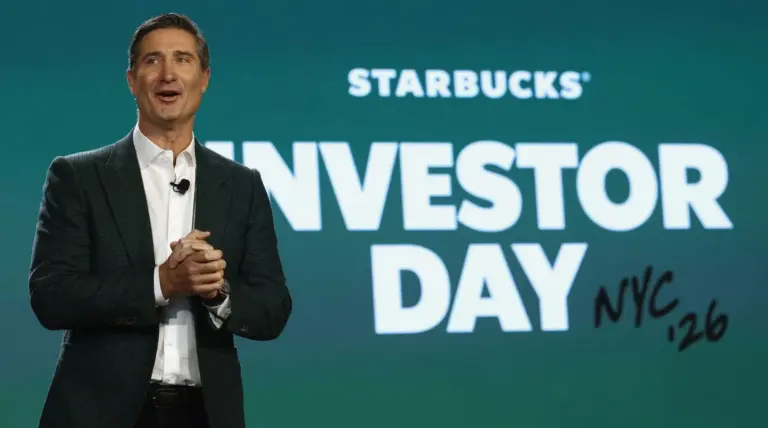
Wall Street is buzzing with reports that Starbucks has been exploring a potential takeover of Chipotle Mexican Grill, a move that would unite two of America’s most dominant fast-casual forces. According to sources cited by the Financial Times, the coffee giant has spent recent months consulting with advisers on a proposal that could reshape the landscape of the restaurant industry. The news sparked an immediate reaction in the markets, sending Chipotle shares climbing while Starbucks saw a dip, reflecting a divide among investors over whether such a massive merger actually adds value.

Much of the speculation centers on Brian Niccol, the current CEO of Starbucks and former leader of Chipotle. Niccol famously steered the burrito chain through a devastating food safety crisis years ago, making him uniquely qualified to understand Chipotle’s internal mechanics. For Niccol, acquiring his former company could be a legacy-defining move, potentially transforming Starbucks into a multi-brand powerhouse similar to Yum Brands or Inspire Brands. Such diversification would protect shareholders by balancing coffee sales against mealtime traffic and provide Chipotle with an immediate roadmap for global expansion using Starbucks’ vast international infrastructure.

Beyond high-level strategy, there are practical reasons why these two brands might fit together. Analysts point out that nearly ninety percent of Chipotle locations sit within a mile of a Starbucks, suggesting huge opportunities for shared real estate development and streamlined corporate operations. There is also the possibility of merging their digital ecosystems into one massive loyalty program to capture more consumer spending across different times of day. Unlike previous owners like McDonald’s, who clashed with Chipotle over franchising models, Starbucks operates most of its stores directly, aligning better with Chipotle’s preferred way of doing business.

However, skeptics argue that this may be an ill-timed distraction for Niccol. He stepped into the role at Starbucks specifically to lead an embattled turnaround focused on restoring customer loyalty and improving service standards_a mission that is far from complete. Attempting to integrate another multibillion dollar company while still fixing his own house could prove risky. While some see a perfect synergy in caffeine and carnitas, others believe the probability of a deal closing remains low as Starbucks continues to prioritize its own recovery first.

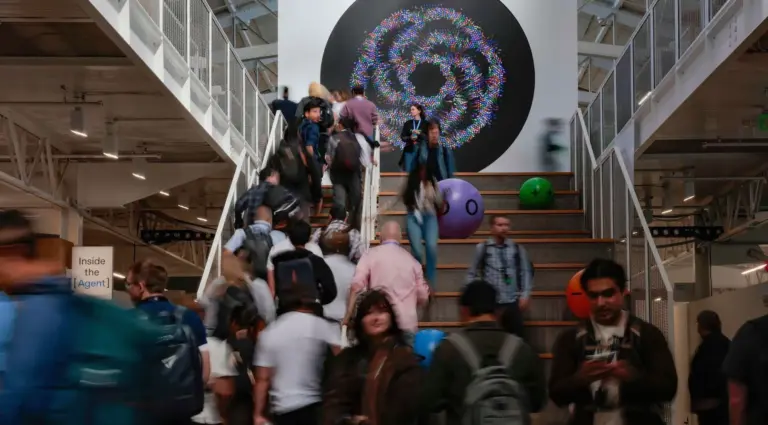
A wave of selling swept through the semiconductor and cloud infrastructure sectors on Thursday as investors reacted to updated financial figures from OpenAI. Shares of industry heavyweights like Nvidia and Oracle took a hit, while specialized players such as CoreWeave saw even sharper declines. The volatility followed reports that OpenAI’s annualized revenue stood at approximately 50 billion dollars at the end of September, a figure significantly lower than the 68 billion dollar estimate that had circulated among traders just weeks prior.

While the discrepancy appears stark, sources suggest the difference stems from how partner revenues were calculated versus direct earnings. Despite the downward adjustment, OpenAI highlighted strong momentum within its internal metrics, boasting a total run rate growth of 77 percent in the third quarter and doubling down on its enterprise sector with 107 percent growth. However, these gains weren’t enough to soothe a broader market already sensitive to the massive valuations currently attached to generative AI firms.

The fallout extended beyond the immediate ecosystem, dragging down chipmakers including AMD, Broadcom, Intel, and Super Micro Computer. This collective dip underscores the precarious relationship between software developers and their hardware providers; any perceived slowdown in adoption or monetization at the top of the AI food chain sends ripples through every company providing the chips and servers required to power these models.

This financial scrutiny comes at a critical juncture for OpenAI as it navigates immense pressure to justify an 852 billion dollar valuation ahead of an anticipated IPO in 2027. The company is not alone in this struggle for legitimacy, as its primary rival Anthropic faces similar skepticism regarding its own astronomical valuation targets despite reporting staggering losses. Between regulatory hurdles and intensifying debates over AI safety—which recently led OpenAI to scrap plans for its GPT-6.1 Astra model—the path toward public markets remains fraught with uncertainty for both giants.

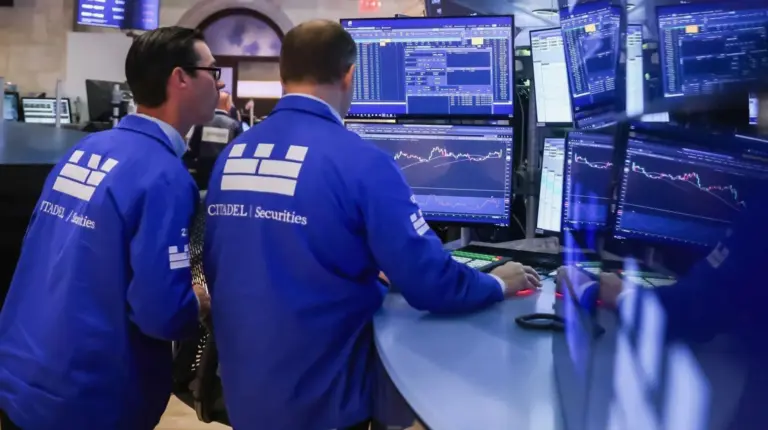
Wall Street is nursing a hangover today after an underwhelming revenue update from OpenAI cast a shadow over the once unstoppable artificial intelligence rally. U.S. stock futures remained largely flat on Thursday night, reflecting a cautious mood among traders following a sharp sell off in big tech. The turbulence began when reports surfaced that OpenAI’s annualized revenue sat at 50 billion dollars through September, falling short of the 68 billion dollar figure many investors had previously banked on.

The fallout was immediate and widespread across the semiconductor and infrastructure sectors. Heavyweights like Nvidia and AMD saw their shares slide, while CoreWeave and Oracle faced even steeper declines as the market questioned whether the AI boom was beginning to lose momentum. This volatility pushed the Nasdaq Composite to its steepest single day drop since mid August, erasing recent record highs and dragging the S&P 500 into a two day losing streak despite the Dow remaining relatively resilient.

Beyond the AI fray, another shockwave hit the telecommunications industry late Thursday. Shares of SpaceX ticked upward after announcing a deal to acquire a nationwide spectrum portfolio, a move seen as a major boost for Starlink Mobile’s capabilities. However, this victory for Elon Musk came at the expense of traditional carriers; AT&T, Verizon, and T-Mobile all suffered significant losses in extended trading as investors feared increased competition would eat into their established market shares.

Looking ahead, global markets remain on edge with Asia Pacific indices expecting a muted start due to these tech jitters combined with ongoing geopolitical tensions in the Middle East. Back home, domestic investors are keeping a close eye on upcoming consumer sentiment data and early earnings reports from Delta Air Lines to gauge where the broader economy stands amidst this sudden shift in tech optimism.