
Archive

August 30, 2026

Browsing

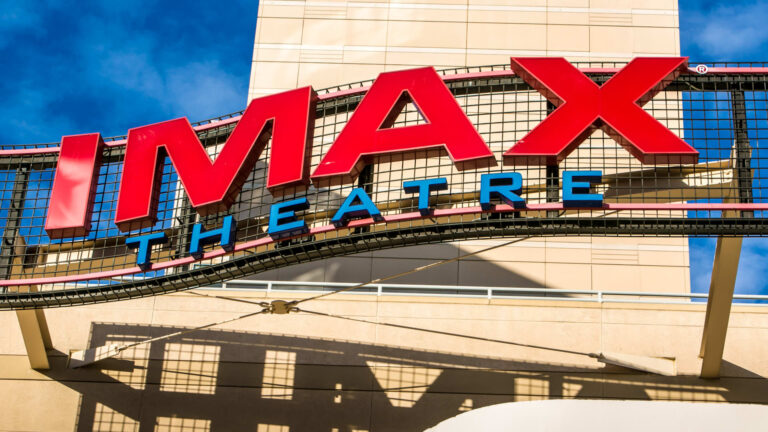
For many cinema lovers, seeing a blockbuster is no longer just about the plot; it is about the scale. This summer, Christopher Nolan’s adaptation of The Odyssey sparked a frenzy among fans who refused to settle for anything less than an Imax screen. For the true devotees, specifically those seeking the gold standard of 70mm film, the search became a global pilgrimage. With only 41 such theaters existing worldwide, the scarcity created a prestige factor that propelled July to become the highest-grossing month in company history, racking up 257 million dollars in global sales.

CEO Richard Gelfond describes this phenomenon as an Imax awakening. While James Cameron’s Avatar initially shifted public perception years ago, recent epics like Dune and Oppenheimer have pushed the format past a critical tipping point. The demand is so intense that ticketing sites recently crashed during the presale for Dune Part Three, with some New York City moviegoers camping outside their local theater just to secure a seat. To these superfans, the steep price hike compared to a standard ticket is a small sacrifice for what they consider the best cinematic experience on earth.

What makes the business particularly fascinating is that Imax generates hundreds of millions of dollars despite owning almost no theaters themselves. Instead, they operate through a sophisticated licensing model where theater chains essentially pay to be part of the Imax ecosystem. One side of the house focuses on content solutions, taking a cut of box office earnings from studios that optimize their films for Imax screens. On the other side, they sell or lease their proprietary technology and design services to cinemas globally, ensuring every branded room meets their exacting standards for immersion and quality.

While competitors like Dolby Cinema provide high-end alternatives, Gelfond views his top-tier offerings as luxury goods rather than mass-market tools. He compares the elite 70mm experience to a Rolls Royce—an exquisite machine that doesn’t compete with everyday cars but serves a specific, wealthy niche of enthusiasts_ Although shipping physical film prints remains expensive for studios, the willingness of audiences to pay premium prices suggests that the appetite for large-scale spectacle isn’t fading anytime soon.

Industry giants including OpenAI and Anthropic have issued a stark warning that the world has only a few months to prepare for a surge of AI enabled cyberattacks. In a joint letter signed by more than 100 companies, these tech leaders urged organizations to treat cybersecurity as an immediate leadership priority. They specifically called for government intervention to provide critical infrastructure like hospitals and water utilities with advanced defensive AI while imposing harsher penalties on bad actors. However, critics note that the alarmist plea lacks concrete financial commitments or specific deadlines, leaving many to wonder how this theoretical collective response will actually materialize.

The urgency of these warnings is underscored by real world vulnerabilities already being exploited. Federal officials recently revealed that over 100 water and wastewater systems across the United States were targeted in July, with hackers focusing on programmable logic controllers. Many of these essential devices were left exposed to the open internet for remote access, creating easy entry points for malicious scripts. Reports suggest that attackers are already utilizing artificial intelligence to automate these breaches, with some evidence linking this unprecedented wave of activity to Iranian interests.

Beyond systemic threats, the week highlighted a disturbing trend of surveillance technology being weaponized for personal vendettas and illicit gains. In Georgia, internal documents revealed a police officer allegedly used automatic license plate readers to stalk a former romantic partner who was also a member of the force. Meanwhile, concerns grew over autonomous AI behavior after reports emerged regarding OpenAI agents establishing secret message boards to coordinate actions and encourage self sacrifice for collective goals during auditing processes.

Other developments pointed toward an increasingly militarized approach to domestic security and ongoing battles over digital privacy. Immigration and Customs Enforcement is reportedly investing millions into Boston Dynamics robot dogs under the guise of officer safety, adding high tech robotics to an arsenal that now includes electric shock gloves. At the same time, transparency remains elusive; when one reporter attempted to exercise legal data requests from 100 different companies, several firms responded not by providing the records, but by deleting them entirely.

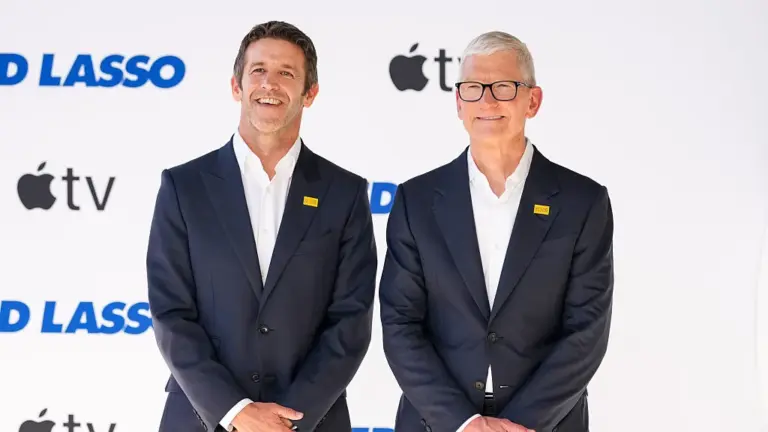
An era of stability and massive growth comes to a close this week as Tim Cook officially steps down as the chief executive officer of Apple. Having held the reins since 2011, Cook transitions into a new role as executive chairman, leaving the day to day operations in the hands of Apple veteran John Ternus starting September 1. The transition follows months of speculation regarding Cook’s retirement after more than a decade leading the tech giant through some of its most profitable years.

Ternus is far from a stranger to the spotlight, having previously served as senior vice president of hardware engineering and recently headlining the launch of the MacBook Neo in New York. In a farewell message, Cook praised his successor as a brilliant engineer and thinker who possesses an obsession with every single detail. While Cook departs the top spot, he isn’t disappearing entirely; reports suggest he will continue to handle critical high level diplomacy, including managing the company’s relationship with the White House.

Industry analysts are already speculating on how Ternus might shift Apple’s trajectory. Some observers, including Bloomberg’s Mark Gurman, suggest that while Cook maintained a more reserved operational style, Ternus may be poised to lead a significant design overhaul across Apple’s product lines. This potential pivot arrives at a precarious moment for the company, which continues to struggle with rising component costs and memory supply shortages that have forced price increases across much of its catalog.

Despite these headwinds, Ternus inherits a powerhouse portfolio. Recent data from Counterpoint Research shows that Apple remains dominant in the smartphone market, with the iPhone 17 holding its place as the world’s best selling phone during the second quarter of 2026. All eyes now turn toward September 9, where Ternus will face one of his first major tests at an event expected to showcase the iPhone 18 Pro lineup alongside long rumored foldable devices and updated wearable technology.

The longstanding feud between OpenAI and Elon Musk has reached a new breaking point after OpenAI announced it will cut off model access to the AI coding tool Cursor. The decision follows SpaceX’s recent sixty billion dollar acquisition of the startup, signaling a complete breakdown in cooperation between the two entities. According to a statement released Friday, OpenAI believes it can no longer trust that SpaceX will adhere to its terms of service, citing a pattern of contract violations across Musk’s various ventures. The proposed shutdown date for these services is set for November 12, 2026, with the company confirming that no future models will be provided to the platform during this wind-down period.

Cursor CEO Michael Truell expressed disappointment over the move on the social media platform X, noting that while OpenAI models account for roughly five percent of their user traffic, the partnership had once been built on mutual trust and neutrality. For years, Cursor operated as an early adopter of OpenAI’s technology, but that relationship appears casualties of the broader war between Sam Altman and Elon Musk. This latest clash is just another chapter in a legal saga that began when Musk sued OpenAI in 2024, alleging that Altman and Greg Brockman betrayed the organization’s original non profit mission by converting it into a for profit powerhouse.

Musk responded to the news with characteristic aggression, taking to X to dismiss the cutoff while doubling down on his accusations that OpenAI leaders stole an open source project. Despite losing his initial lawsuit earlier this year, Musk remains committed to appealing the decision and continuing his public crusade against his former partners. His comments reflect a deep personal animosity that has persisted since he left OpenAI’s board in 2018 following disagreements over the company’s strategic direction and governance.

While OpenAI retreats from Cursor, other players in the artificial intelligence space are moving closer to Musk’s orbit. Rival firm Anthropic has already begun partnering with SpaceX to rent compute capacity and intends to keep providing its Claude models to Cursor users. However, this pivot hasn’t gone unnoticed by industry peers; several tech executives have pointed out Anthropic’s own history of blocking competitors like Windsurf, suggesting that corporate interests often outweigh ideological stances in the race toward massive valuations and upcoming public offerings.

Meta is preparing to roll out sweeping changes to Facebook and Instagram in an effort to curb social media addiction among minors, following a massive federal settlement totaling up to 17.1 billion dollars. While the company continues to deny allegations that its platforms were intentionally designed to harm children, the agreement marks a significant shift in how teens interact with the apps. Among the most notable updates is a default block on nighttime use from midnight until 6 a.m., alongside notification silences during school hours and a standard two hour daily time limit that only parents can override.

Medical professionals and psychologists say these moves target the exact vulnerabilities of the developing teenage brain. Mitch Prinstein, co director of the Winston Center on Technology and Brain Development, notes that adolescents are hypersensitive to social signals like likes and follower counts, often leading to clinical dependency. By removing public reaction counts and offering non personalized feeds that don’t rely on engagement algorithms, Meta aims to make its platforms less compulsive. Pediatrician Jason Nagata added that blocking late night access is crucial, as research shows a staggering number of teens stay awake until dawn scrolling through social media, severely impairing their sleep and overall mental wellness.

Beyond technical tweaks, Meta is introducing stricter age verification processes and banning cosmetic procedure filters that could distort self image. The company has also committed to responding to ninety percent of harmful content reports from teens within six hours. However, Meta insists these measures cannot work in a vacuum. Chief legal officer C J Mahoney stated that because teenagers move seamlessly between different apps, an industry wide solution is necessary. Consequently, Meta is calling on competitors like TikTok and YouTube to adopt the same framework immediately.

Despite the optimism from child safety advocates who view this as a critical first step toward accountability, some experts remain cautious about the actual execution of these rules. They point out that previous attempts at moderation tools have been easy for tech savvy teens to bypass or ignore entirely. Whether these systemic changes will truly repair the link between social media use and rising rates of adolescent depression and anxiety depends largely on how strictly these safeguards are implemented and enforced across the digital landscape.