
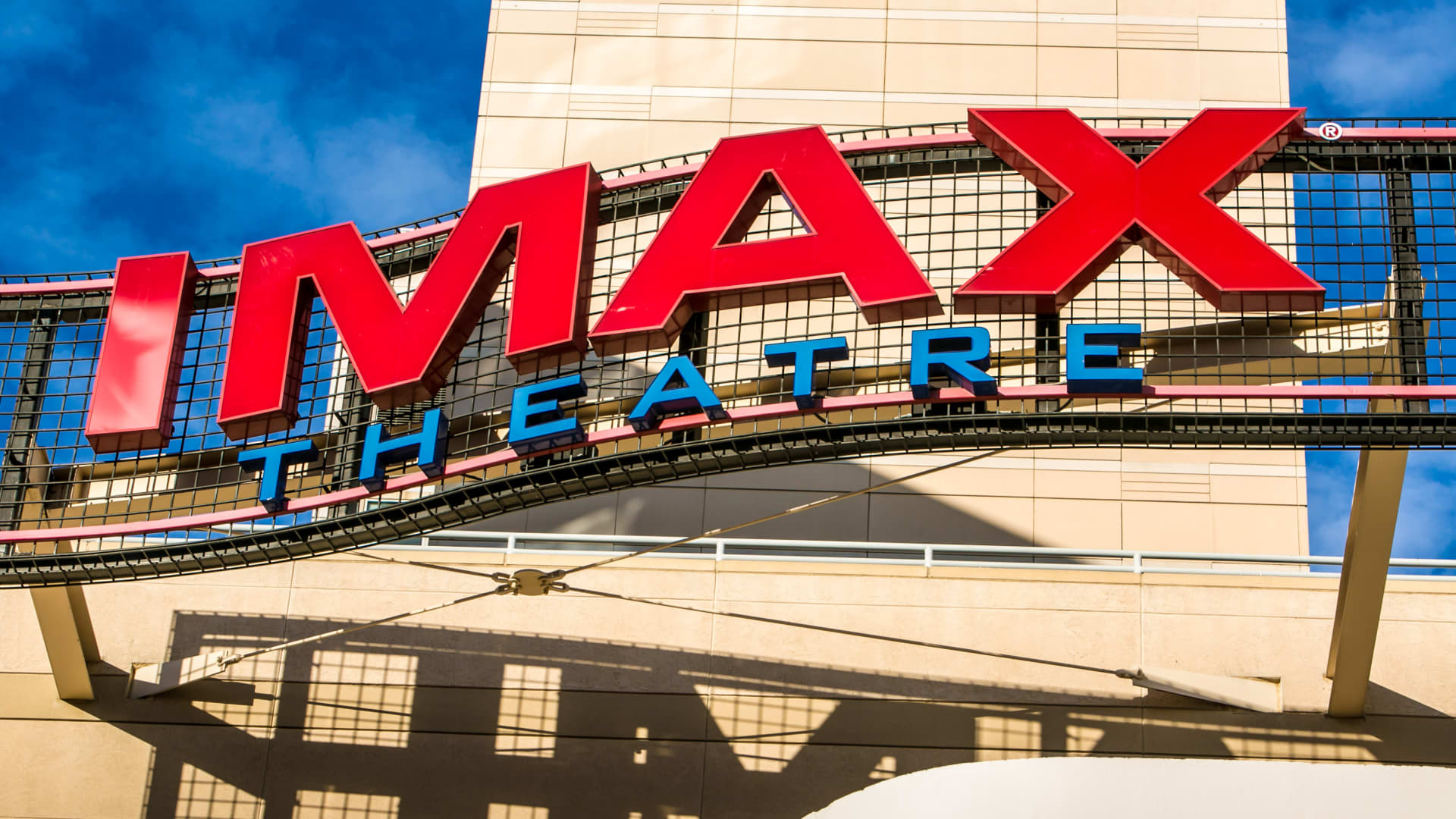
For many cinema lovers, seeing a blockbuster is no longer just about the plot; it is about the scale. This summer, Christopher Nolan’s adaptation of The Odyssey sparked a frenzy among fans who refused to settle for anything less than an Imax screen. For the true devotees, specifically those seeking the gold standard of 70mm film, the search became a global pilgrimage. With only 41 such theaters existing worldwide, the scarcity created a prestige factor that propelled July to become the highest-grossing month in company history, racking up 257 million dollars in global sales.
CEO Richard Gelfond describes this phenomenon as an Imax awakening. While James Cameron’s Avatar initially shifted public perception years ago, recent epics like Dune and Oppenheimer have pushed the format past a critical tipping point. The demand is so intense that ticketing sites recently crashed during the presale for Dune Part Three, with some New York City moviegoers camping outside their local theater just to secure a seat. To these superfans, the steep price hike compared to a standard ticket is a small sacrifice for what they consider the best cinematic experience on earth.
What makes the business particularly fascinating is that Imax generates hundreds of millions of dollars despite owning almost no theaters themselves. Instead, they operate through a sophisticated licensing model where theater chains essentially pay to be part of the Imax ecosystem. One side of the house focuses on content solutions, taking a cut of box office earnings from studios that optimize their films for Imax screens. On the other side, they sell or lease their proprietary technology and design services to cinemas globally, ensuring every branded room meets their exacting standards for immersion and quality.
While competitors like Dolby Cinema provide high-end alternatives, Gelfond views his top-tier offerings as luxury goods rather than mass-market tools. He compares the elite 70mm experience to a Rolls Royce—an exquisite machine that doesn’t compete with everyday cars but serves a specific, wealthy niche of enthusiasts_ Although shipping physical film prints remains expensive for studios, the willingness of audiences to pay premium prices suggests that the appetite for large-scale spectacle isn’t fading anytime soon.


Comments are closed.