Author

admin

Browsing

Investors who have enjoyed a relentless climb in stock prices may want to keep a closer eye on the fine print. While major indexes like the S&P 500 continue to hover near all-time highs, analysts at Ned Davis Research are sounding an alarm over a rare and troubling disconnect known as market breadth. Essentially, while the big numbers look great, far fewer individual companies are actually participating in the rally, suggesting that the current bull market could be entering its final stretch.

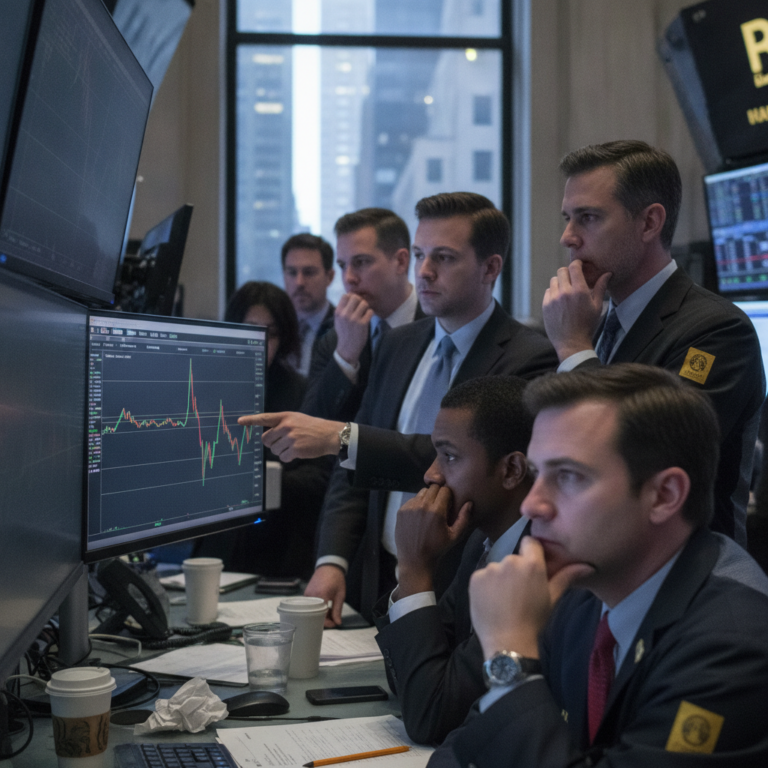
According to data from NDR, the internal health of the market is deteriorating rapidly. In recent weeks, fewer than 25 percent of stocks in the S&P 500 have traded above their 50 day moving averages, and less than half remain above their 200 day marks. This creates a stark contrast where a handful of massive mega cap stocks are propping up the entire index, effectively masking deeper troubles beneath the surface. Strategists describe this as some of the worst breadth ever recorded while an index remains so close to its peak.

This specific type of divergence is historically ominous. Since 1980, these exact conditions have occurred only six times, often serving as a precursor to significant market tops, including downturns seen in late 2014 and 2021. When price action stays high but participation drops off, it typically introduces a downward bias for several weeks and often leads to a total market peak within about five months.

While some experts are still giving bulls the benefit of the doubt for now, others agree that there is severe damage under the hood. Analysts at HSBC noted that spiking bond yields have contributed to this decline in breadth. For many investors, the prudent move may soon be reducing equity exposure if upcoming year end rallies fail to bring more stocks back into the fold and prove that this growth is sustainable across the board rather than just limited to a few giants.

Grace Groner spent most of her life blending into the background of Lake Forest, Illinois. To her neighbors and colleagues, she was simply a soft spoken secretary at Abbott Laboratories who lived modestly in a small house shared with a friend and preferred shopping for secondhand clothes. Having been orphaned at a young age and raised in a children’s home, Groner led a quiet existence characterized by frugality and generosity, giving no outward sign that she was harboring one of the most successful investment strategies in history.

The foundation of her fortune began in 1935 with an unremarkable transaction. Using $180 of her earnings, Groner purchased three shares of Abbott Laboratories stock at sixty dollars per share. While many investors today chase rapid gains through frequent trading, Groner did something far more rare: she did absolutely nothing. For the next seventy five years, she never sold a single share and meticulously reinvested every dividend check back into the company. Through a combination of corporate stock splits and the compounding power of those reinvested dividends, her tiny initial stake grew exponentially while she remained oblivious to the world’s obsession with market timing.

When Groner passed away in 2010 at the age of one hundred, the true scale of her patience was revealed. Her estate was valued at approximately 7.2 million dollars, a staggering sum derived from those original three shares. The discovery stunned those who knew her best, as she had managed to keep her multimillionaire status a complete secret throughout her entire adult life. Rather than spending the windfall on luxury during her lifetime, she chose to leave the bulk of her wealth to Lake Forest College, ensuring that students who faced hardships similar to her own could afford an education through scholarships funded by her lifelong discipline.

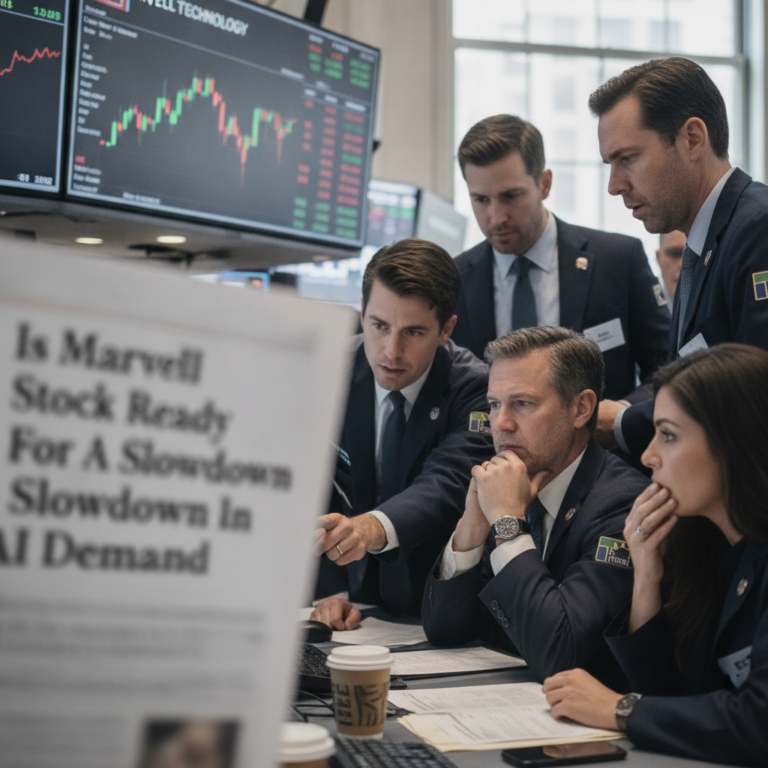
Investors are beginning to wonder if Marvell Technology is braced for a potential cooling period in the artificial intelligence boom. While the company’s stock has more than tripled over the last twelve months, recent ripples in the sector have raised red flags. Reports suggesting that OpenAI may have paused the training of its newest models sent shivers through AI stocks, leaving analysts to question whether Marvell’s current valuation can withstand a dip in demand. With data centers accounting for nearly 80 percent of its second quarter revenue, any shift in the AI landscape hits Marvell directly where it hurts most.

The primary concern lies in the steep premium investors are currently paying for the stock. Trading at over 25 times its sales, Marvell is priced significantly higher than the broader market average of around 3 times sales. This suggests that much of the current share price is built on future growth expectations rather than present reality. Management has projected ambitious revenues reaching 18 billion dollars by fiscal 2028, driven largely by an expected 60 percent surge in data center business. If those forecasts fail to materialize due to a market slowdown, shareholders could face a sharp correction similar to the volatility seen during previous economic shocks.

Despite these pricing concerns, Marvell remains financially resilient on paper. The company generates strong free cash flow, producing about 1.7 billion dollars over the past year, which comfortably exceeds its net debt of 1 billion dollars. This means that while a slowdown would likely devastate the stock price long before it threatened the company’s survival, Marvell possesses enough liquidity to weather a lean year without facing a credit crisis. It is essentially a battle between fundamental solvency and speculative valuation.

Moving forward, all eyes are on upcoming financial milestones for concrete evidence of a trend change. Investors will be scrutinizing the third quarter revenue figures closely; anything falling below 2.99 billion dollars would serve as a warning sign that momentum is fading. Additionally, the upcoming Investor Day provides another critical window into whether leadership stands by its aggressive multi-billion dollar targets or begins to walk back its optimism in light of changing industry headwinds.

President Trump has spent much of his second term boasting that his return to office ended the era of runaway egg prices, frequently pointing to the dramatic drop in costs as a victory for his administration. Federal data supports the claim that prices have plummeted, falling from an average of 4.95 dollars a dozen in January 2025 to just 2.27 dollars by August. However, agricultural experts argue that the reality behind these numbers is far more complex than political rhetoric suggests, noting that market forces played a larger role than any specific white house policy.

The primary driver of the volatility has been avian flu rather than legislation. Massive outbreaks starting in 2022 and peaking again in early 2025 decimated millions of laying hens, creating a supply shock that sent prices soaring to a record high of 6.23 dollars a dozen in March 2025. Because eggs are considered an inelastic product—meaning families continue to buy them regardless of price due to their versatility in cooking and baking—consumers felt the pinch acutely. As the virus subsided and farmers successfully rebuilt their flocks during a milder winter season, supply naturally increased and prices corrected themselves.

The Trump administration did take steps to stabilize the industry, including providing hundreds of millions of dollars for biosecurity enhancements and cutting some regulatory red tape for farmers. There was also a significant spike in imports to help bridge the gap while domestic production recovered. While these efforts provided some support, analysts suggest that roughly ninety percent of the price decline can be attributed to simple luck regarding the cycle of bird flu and basic biological recovery rather than government intervention.

Despite the lower grocery bills for consumers, some farmers find themselves in a precarious position. Economics professors note that while certain regulations were loosened, new burdens have emerged under current policies. Tariffs on foreign trading partners and geopolitical tensions involving Iran have driven up essential operating costs, such as diesel fuel, eating into farm profits. As midterm elections approach and food affordability remains a top concern for voters, the debate continues over whether today’s cheaper eggs are a result of strategic leadership or merely a fortunate break in nature’s patterns.

Walmart is turning its aisles into a high tech scavenger hunt to solve one of the oldest frustrations of big box shopping: finding a single item among 120,000 different products. The retail giant is expanding a series of tools linked to its digital shelf labels designed to guide both shoppers and staff toward specific items using flashing lights. A new feature called Shop to Light allows customers to search for a product on the Walmart app and then trigger the corresponding shelf label to blink once they arrive in the correct aisle, essentially creating a visual beacon for their purchase.

The innovation extends beyond the customer experience through two companion systems known as Pick to Light and Stock to Light. These tools assist store associates in quickly locating merchandise for digital orders and streamlining the restocking process. According to Greg Cathey, Walmart’s senior vice president of digital transformation, the goal is to leverage AI and automation not to replace humans but to free up employee time so they can focus more on direct customer service rather than wandering aisles searching for misplaced inventory.

This rollout arrives as Walmart aggressively modernizes its infrastructure ahead of the busy holiday season, with plans to implement these features companywide by winter. Digital labels were originally introduced primarily to handle systemic price updates without the need for manual paper replacements, but they have now become central to a broader strategy involving AI agents and automated supply chains. Early results suggest strong adoption, with five million flashes already recorded during limited pilot tests this summer.

However, the transition from paper to pixels hasn’t been without friction. Some critics and state legislators have expressed concerns that digital labels could pave the way for dynamic pricing or surveillance based on shopper data. In response, CEO John Furner recently issued an open letter clarifying that the company intends to price products rather than people, asserting that factors like income or shopping history will not influence the cost displayed on those screens. For now, Walmart remains committed to its vision of a tech powered environment where blinking lights simplify the chore of grocery shopping.

Micron Technology has sent shockwaves through the semiconductor industry after reporting a staggering revenue surge of 379 percent, a jump that underscores the explosive demand for artificial intelligence infrastructure. As tech giants race to build out massive data centers capable of handling complex generative AI models, the need for high bandwidth memory has shifted from a luxury to an absolute necessity. This windfall positions Micron as one of the primary beneficiaries of the current hardware supercycle, proving that the AI boom is translating into tangible balance sheet growth rather than just speculative hype.

The company’s recent performance highlights a critical shift in how investors view chip stocks. While much of the initial excitement surrounding AI focused heavily on processors and GPUs, Micron is demonstrating that memory chips are equally vital components of the ecosystem. By specializing in the high speed storage required to feed data into powerful AI accelerators, Micron has carved out a dominant niche that allows it to command premium pricing during this period of scarcity and rapid scaling.

Industry analysts suggest that this trajectory places Micron among a small group of elite AI chip stocks currently dominating the NASDAQ. The sheer scale of their revenue increase suggests that we are still in the early stages of an infrastructural overhaul across global computing systems. For observers watching the sector, Micron serves as a bellwether for broader enterprise spending on AI, signaling that companies are now moving past experimentation and into heavy capital investment to secure their digital futures.

It was a tug of war on Wall Street this Thursday as investors grappled with rising treasury yields and mixed corporate reports. The Dow Jones Industrial Average drifted lower, slipping about 0.1 percent, while the S&P 500 struggled to maintain its footing. Technical analysts noted that the S&P 500 dipped below its critical 50 day moving average, a sign that suggests some growing hesitation among traders as they weigh macroeconomic pressures against individual company successes.

The primary headwind for the broader indices came from the bond market, where surging yields created an environment of uncertainty despite signs of cooling inflation elsewhere in the economy. This volatility pushed several major benchmarks into negative territory during afternoon trading, though energy markets provided a slight counterweight as oil prices saw a noticeable jump throughout the session.

Despite the general gloom across the boards, certain companies managed to carve out their own winning streaks. Accenture emerged as a standout performer, vaulting higher after delivering earnings results that beat analyst expectations. While not every tech giant fared as well, with Micron Technology seeing some downward pressure following its report, others like Lumentum surged, proving that strong fundamentals can still drive gains even when the overall market sentiment is fragile.

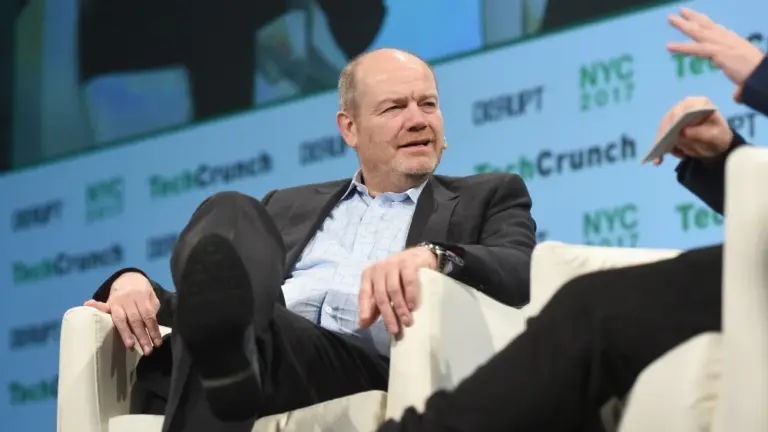
The future of CNN’s leadership appears slightly more stable as Paramount Skydance enters early stage discussions to keep Mark Thompson in his post. This development suggests that the merging media entities intend to keep CBS News and CNN operating separately for the time being while they navigate the complex acquisition of Warner Bros. Discovery. While neither company provided an official comment, these talks signal a potential continuity in management that could soothe nerves across one of the world’s most prominent newsrooms.

For CNN staffers, the possibility of Thompson remaining at the helm brings a measure of relief amidst significant uncertainty. Employees have voiced concerns over whether Paramount CEO David Ellison is fully committed to traditional, credible newsgathering, especially following recent scrutiny regarding appointments at CBS News. There are also lingering questions about how Paramount intends to handle CNN’s pivot toward digital growth and its evolving streaming strategy after years of shifting corporate directions under previous ownership.

Thompson himself has expressed a strong desire to lead the network forward, telling employees during a recent town hall meeting that he is enthusiastic about staying. However, he admitted to staff that he still lacks clarity on exactly how Paramount plans to manage its news assets once the deal closes. Despite this ambiguity, Thompson has remained steadfast in calling for CNN to maintain total editorial independence from corporate interference.

To address those concerns and satisfy legal requirements, Paramount has already agreed to establish a dedicated board tasked with safeguarding the independence of its news properties. This move comes as part of a settlement with several state attorneys general who had initially sought to block the merger. As Thompson continues to push content toward younger audiences through initiatives like the All Access subscription service, his long term fate remains tied to how well these independent safeguards can coexist with Paramount’s broader business goals.

Wall Street is holding its breath as investors brace for the latest nonfarm payrolls report, leaving stock futures largely unchanged heading into Friday morning. S&P 500 futures edged up slightly by 0.1 percent, while Dow and Nasdaq futures saw modest gains as the market enters a cautious waiting game. This hesitation follows a rocky week where major indices have generally trended downward despite some marginal recoveries during the first trading day of October.

The upcoming employment data is critical for those trying to predict the Federal Reserve’s next move regarding interest rates. While analysts expect job growth to land around 84,000 with unemployment remaining steady at 4.1 percent, economists suggest that even a robust report might not be enough to trigger another rate hike in October given the current stability of the labor market. Currently, fed funds futures indicate a high probability that the central bank will choose to stand pat during its next meeting.

Beyond the domestic labor market, global volatility is weighing on investor sentiment. Asian markets took a hit on Friday, with Japan’s Nikkei 225 and Hong Kong’s Hang Seng both seeing declines fueled by rising inflation fears. These concerns are being driven largely by a spike in energy costs after reports surfaced that the United States is deploying a third aircraft carrier strike group to the Middle East. Brent crude surged past 102 dollars a barrel as geopolitical tensions between the U.S. and Iran threaten to disrupt regional stability further.

In other financial news, treasury yields recently touched multiyear highs before pulling back, reflecting ongoing uncertainty in fixed income markets. Meanwhile, the Securities and Exchange Commission is attempting to modernize financial regulations by proposing new rules that would make it easier for investment advisers and regulated funds to hold cryptocurrency assets on behalf of their clients. These moves come as regulators seek to fill legislative gaps left by stalled congressional action on digital asset oversight.

Investors may want to keep a close eye on their portfolios as one of Bank of America’s most respected market gauges edges closer to a warning sign. The bank’s Sell Side Indicator, which functions as a contrarian tool, is currently teetering on the brink of a sell signal. This specific metric operates on the logic that when sentiment becomes excessively bullish, it often signals that the market is overextended and due for a correction. According to a recent note to clients, the indicator climbed to 57.2 percent in September, leaving it just 0.3 percentage points away from officially entering sell territory.

This current reading marks the highest level seen since March 2022, raising alarms among those who track long term performance trends. Historical data analyzed by Bank of America suggests that once this signal flashes red, the S&P 500 tends to underperform significantly. While the index hasn’t always crashed immediately, it has averaged gains of only 3 percent over the ensuing twelve months compared to its typical ten percent historical average. In fact, looking back at data starting from 1985, there were times when the benchmark actually saw negative returns more than a third of the time after hitting these levels.

The caution comes at a time when broader economic pressures are mounting across Wall Street. Rising bond yields have become a primary concern for analysts, with both 10 year and 30 year yields hitting twenty four year peaks this week due to various fiscal worries. Higher yields typically act as a drag on riskier assets like stocks, making equities less attractive by comparison. Even though major indices remain near all time highs, experts warn that this strength is deceptive because it is being driven by a handful of artificial intelligence and tech giants rather than broad growth.

Beneath the surface of these record breaking numbers, signs of fragility are appearing throughout the rest of the market. Analysis from firms like Ned Davis Research indicates that market breadth has hit record lows relative to where the S&P 500 stands today. Furthermore, research from Rosenberg Research shows that the median stock within the index has actually dropped fifteen percent from its fifty two week high. Together with Bank of America’s looming sell signal, these factors suggest that while the headlines look positive, many individual companies are already feeling the strain_