Author

admin

Browsing

A Democratic candidate for U.S. Senate from Arkansas is facing scrutiny for comments she recently made on a podcast suggesting that illegal alien workers are more valuable than their American counterparts.

“I want to talk about the fact that our immigration system is backlogged, bureaucratic and doesn’t actually help anybody, including American employers who want folks who want to follow the law,” Hallie Shoffner said on the “Free Arkansas Podcast” during an hour-long discussion about a wide spectrum of political issues.

Shoffner, a farmer, is running against Sen. Tom Cotton, R-Ark. in the deep red state.

DEM SENATE NOMINEE CHANGES TUNE ON ICE AFTER VOWING NOT ‘ONE MORE DIME’ FOR AGENCY

She continued by saying she had a discussion with a fellow farmer, who she said was a Republican, about foreign labor.

“Labor is a huge issue, especially when you don’t have a large workforce,” she said. “And every farmer will tell you, ‘yeah, at one point we did, or still do, employ undocumented immigrants.'” And it’s absolutely ridiculous that these folks are being rounded up because they’re hardworking people. They’re some of the best people we know.”

“And honestly, we’d trade five Americans just for one of them because of how hard they work,” she said.

Shoffner then demanded a pathway for illegal aliens to work in the United States legally, claiming “when they’re good workers, we pay them well, they’re good workers, they spend money here [and] they have family here.”

Cotton’s campaign accused Shoffner of implying that she has hired illegal aliens.

OMAR’S NEW LEGISLATION TARGETING ICE SPARKS OUTRAGE WHEN THE INTERNET SEES WHAT’S IN IT: ‘UN-AMERICAN’

“Hallie Shoffner’s campaign isn’t denying that she employed illegal aliens,” campaign spokesman James Arnold told Fox News Digital. “They’re also standing by Hallie Shoffner’s claim that just one illegal immigrant is more valuable than five American citizens.”

“Every Democrat running for Congress needs to answer if they agree with Hallie Shoffner’s belief that illegal aliens are worth more than Americans,” Arnold said.

In a response to Fox News Digital, Shoffner’s campaign manager Anna-Lee Pittman said the candidate’s comments were taken out of context, and accused Cotton of being unwilling to have a conversation to help “fix the immigration system.”

Cotton, she said, “spends his days combing through video clips of Hallie Shoffner to find any possible inelegant phrase or line that he can chop up to misrepresent an hour-long conversation and present it with no context,” noting that “[i]n this response, Shoffner relayed a conversation she had with another farmer about challenges with labor.”

Shoffner once joined the chorus of left-wing calls to defund U.S. Immigration and Customs Enforcement (ICE).

DHS ISSUES SCATHING REBUKE AFTER FORMER ATLANTA MAYOR KEISHA LANCE BOTTOMS TOUTS CUTTING TIES WITH ICE

“I would vote to defund ICE as it exists right now,” Shoffner said in an event June. “Immigration and Customs Enforcement was created not that long ago, and it no longer serves the purpose it was originally created for.” 

“I would not spend one more dime on ICE, because — not just because of the human dignity issue — but also the fact that it is now the largest law enforcement agency in the country,” she said. “It has 10 times the budget of the organization that fights child sex trafficking.”

But in a Facebook post earlier this month, the red state Democratic candidate changed her tune.

“I don’t want to defund ICE, I want to reform it,” she said.

Immigration is a hotbed issue heading into the midterm elections, as it was two years ago during President Donald Trump’s campaign to occupy the White House for a second term.

The Trump administration has carried out immigration operations nationwide to arrest and deport illegal aliens, drawing blowback from Democrat politicians and activists.

Fox News Digital’s Alex Miller contributed to this report.
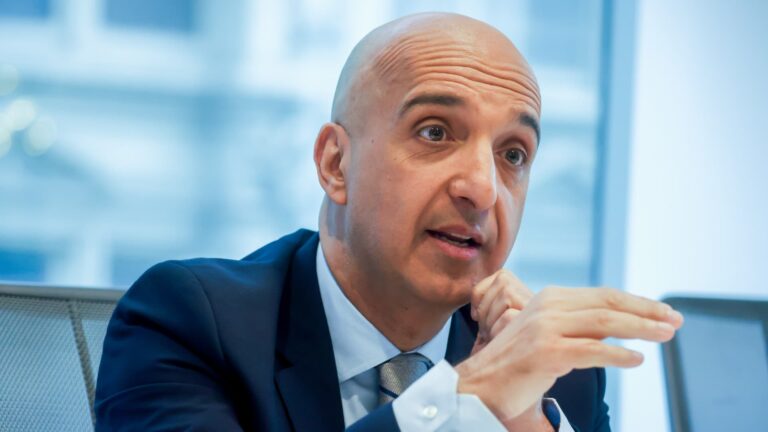
Novo Nordisk is looking to broaden its horizons beyond the high stakes world of weight loss and diabetes medications as it navigates an increasingly competitive landscape. Speaking recently on CNBC, CEO Mike Doustdar admitted that while the company remains focused on its core strengths, it is actively scouting for merger and acquisition opportunities to fill strategic gaps. This pivot comes at a critical time, as the firm looks toward the early 2030s when key exclusivity protections for its blockbuster drug Wegovy are set to expire.

The move follows a rocky reception from shareholders during a recent Capital Markets Day event. Investors reacted sharply to a new turnaround plan, sending shares tumbling in one of the company’s worst trading days since February. While Novo outlined ambitious goals to launch several multi blockbusters by 2030 and project billions in future sales, many on Wall Street found the targets too conservative. Analysts noted that investors were hoping for something closer to a miracle rather than growth projections that simply align with industry peers like AstraZeneca and Merck.

Much of this anxiety stems from the aggressive rise of rivals, most notably Eli Lilly. Despite entering the market later, Lilly has carved out a massive share of the GLP-1 space with its own injectables and promising oral pills. The disparity in market sentiment has been starkly visible in stock performance, with Novo seeing significant declines over the past year while Lilly has surged upward.

To counter these pressures, Doustdar believes diversifying into adjacent medical fields is the smartest path forward. He indicated that future acquisitions will likely happen outside the traditional realms of obesity care, focusing instead on liver disease, cardiovascular health, and other endocrine disorders. By expanding its reach now while its core business remains stable, Novo hopes to build a more resilient portfolio that doesn’t rely solely on a few star products.

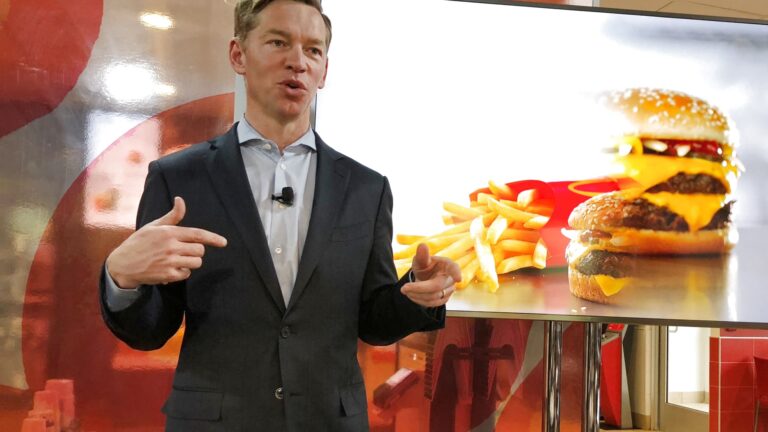
McDonald’s is heading into its highly anticipated investor day in Chicago this Wednesday with a significant amount of pressure on its leadership. The event comes at a precarious moment for the fast food giant, as its domestic business has shown signs of fatigue with disappointing quarterly numbers and dipping customer traffic. With the company’s stock sliding eighteen percent over the last year while the broader market climbs, CEO Chris Kempczinski and newly appointed U.S. president Skye Anderson must convince skeptical shareholders that they have a viable roadmap to regain their footing.

Central to this conversation will be the rollout of the McDonald’s Next growth strategy, specifically regarding how the chain handles value. In a landscape where competitors like Taco Bell are winning over budget conscious diners, McDonald’s has struggled to find a balance between offering low prices and maintaining franchisee profitability. Investors expect clarity on whether corporate headquarters will push harder for franchise compliance on discounted menus, such as the under three dollar offerings that saw uneven adoption across various locations.

Beyond pricing, the company plans to pivot toward quality and modernization to lure people back through the doors. This includes a shift toward hand breaded chicken to better compete with specialists like Chick fil A and an aggressive expansion of beverage options including crafted sodas and energy drinks. These menu tweaks will likely coincide with a massive wave of restaurant remodels designed to update aging aesthetics and integrate newer technology, though these upgrades come with steep construction costs that may weigh on capital expenditures in the coming years.

To offset these investments, analysts anticipate that McDonald’s will unveil plans for leaner internal operations. CFO Ian Borden has signaled that general and administrative spending will be a focal point, with expectations that the company will trim overhead costs below two percent of systemwide sales. By combining strategic cost cutting with a renewed focus on flavor and affordability, McDonald’s hopes to prove it can still dominate the quick service industry despite current headwinds facing American consumers.

Microsoft announced on Tuesday that it spearheaded an industry wide effort to shut down a sophisticated scam platform called EvilTokens, which utilized artificial intelligence to breach approximately 12,000 accounts. Launched via Telegram in February, the subscription based service functioned like a toolkit for cybercriminals, charging an entry fee of 1,500 dollars followed by monthly payments of 500 dollars. The platform streamlined the complex process of hijacking email accounts and identifying high value targets within companies to maximize fraudulent payouts.

At the heart of the operation was an AI powered chatbot that acted as a consultant for hackers. Rather than manually combing through stolen data, attackers used the bot to analyze victims’ inboxes and pinpoint trusted relationships or payment authorizations. Once a vulnerability was found, the AI would suggest specific fraud strategies and even draft highly convincing emails that impersonated colleagues or supervisors to trick employees into transferring funds to criminal accounts.

The scale of the attack reached across ten thousand organizations globally, with a significant concentration of victims located in the United States, followed by Canada, the UK, Australia, India, and France. The breadth of targeted industries was vast, spanning from healthcare and higher education to construction and financial services. To dismantle the infrastructure, Microsoft worked with various partners and legal authorities to seize 50 websites and another 150 domains associated with the service.

Law enforcement also stepped in during the crackdown, with London’s Metropolitan Police Service arresting two men suspected of ties to the platform. Investigators discovered that EvilTokens gained access to these accounts by exploiting a legitimate authentication process intended for devices like smart TVs that cannot handle standard logins. By manipulating this device code system, scammers were able to bypass traditional barriers and gain unauthorized entry into corporate networks worldwide.

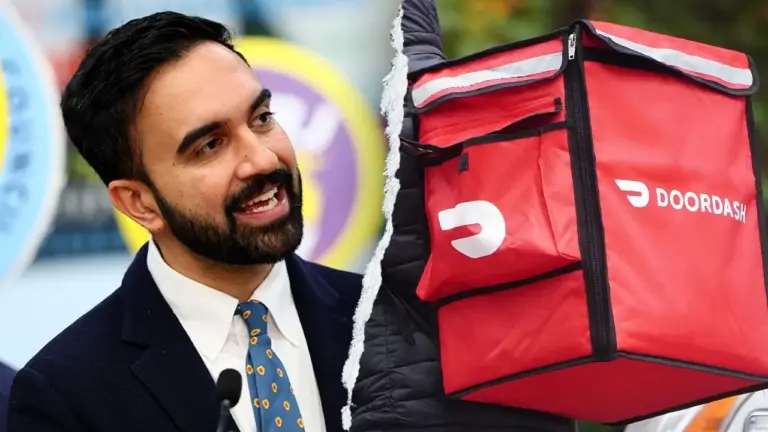
New York City Mayor Zohran Mamdani launched a scathing attack on DoorDash CEO Tony Xu this week, accusing the company of treating greed as a viable business model. During a press conference on Tuesday, Mamdani highlighted comments Xu previously made on a podcast regarding the use of a greedy algorithm, which in computer science prioritizes immediate short term gains without considering future consequences. The mayor argued that tens of thousands of local delivery workers have paid the human cost for this approach, claiming that the pursuit of optimization came at the expense of fair wages.

The rhetoric accompanied the announcement of a historic 131.5 million dollar settlement between DoorDash and the city. According to officials from the Department of Consumer and Worker Protection, the company had been systematically underpaying its drivers. Of the total amount, 115 million dollars will be returned directly to delivery workers, with some individuals eligible to receive up to 5,000 dollars. The remaining funds will cover city fines and support the creation of new software designed to help workers track their payments and pull back the curtain on the opaque algorithms that govern their earnings.

DoorDash responded to the findings by admitting they messed up but maintained that the errors were unintentional rather than malicious. In a statement provided to the Associated Press, the company apologized to its dashers and asserted that those working for them should be paid in full and on time. However, Mayor Mamdani dismissed these claims of simple mistakes, insisting that failing to count hours spent on canceled trips or journeys crossing city limits was an intentional effort to avoid paying mandated minimum rates.

This legal victory is part of a broader push by Mamdani’s administration to hold gig economy giants accountable for how they treat laborers. It follows several other recent settlements involving Uber Eats and HungryPanda over issues ranging from unpaid minimum wages to illegal junk fees. As part of this newest agreement, DoorDash must now submit detailed payment data to city regulators for three years, providing a level of transparency intended to prevent similar underpayment schemes in the future.

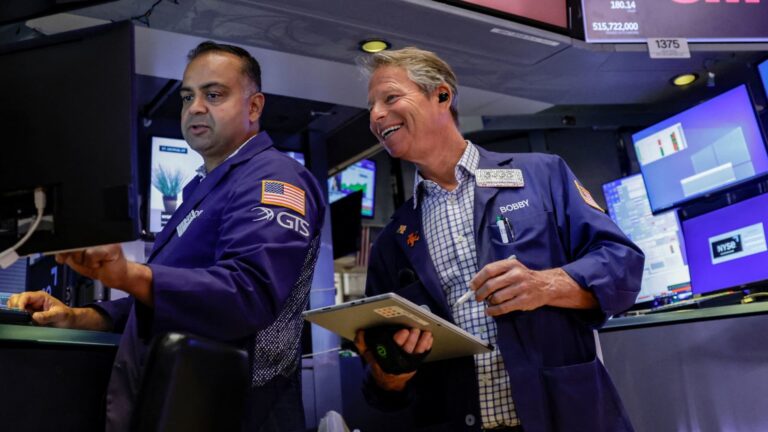
Wall Street presented a mixed picture on Tuesday as the tech sector pushed the Nasdaq Composite to a fresh all time intraday high while broader indices struggled to find momentum. The tech heavy Nasdaq climbed zero point four five percent to close at twenty seven thousand two hundred forty four point twenty eight, bolstered significantly by a surge in Sandisk shares following a bullish outlook from analysts at Rosenblatt. In contrast, the S&P 500 remained largely unchanged, ending slightly lower at seven thousand seven hundred sixty four point sixty four, while the Dow Jones Industrial Average slid one hundred eighty five points to finish at fifty one thousand eight hundred sixty three point sixty nine.

Much of the day’s volatility was tied to shifting geopolitical tensions between the United States and Iran, which sent oil prices sliding for a fifth consecutive session. Global benchmark Brent crude dropped over one percent to ninety nine dollars and twenty five cents per barrel after President Donald Trump mentioned a productive meeting with Iranian delegates during his address to the United Nations General Assembly. Market sentiment improved further amid unverified reports that Iran might reopen the Strait of Hormuz within a week, coupled with news that Saudi Arabia may soon restart its East West pipeline.

Despite the rally in technology stocks, some analysts warn that investors may be overly complacent regarding interest rates. With Treasury yields edging lower but remaining near five percent, experts suggest that the Federal Reserve could continue hiking rates through early twenty twenty seven to combat sticky inflation and rising national debt. This cautious atmosphere persisted across various sectors, evidenced by Royal Caribbean shares falling over five percent following reports that the cruise giant is pursuing a multi billion dollar stake in Sandals Resorts International.

Looking ahead, investor attention is shifting toward an upcoming summit in Washington between President Trump and Chinese leader Xi Jinping. The meeting is expected to tackle critical global issues including artificial intelligence security, tariffs, and rare earth metals. This diplomatic push follows preliminary discussions between Treasury Secretary Scott Bessent and Chinese Vice Premier He Lifeng, signaling a period of intense negotiation that could either stabilize or shake up global markets in the coming weeks.

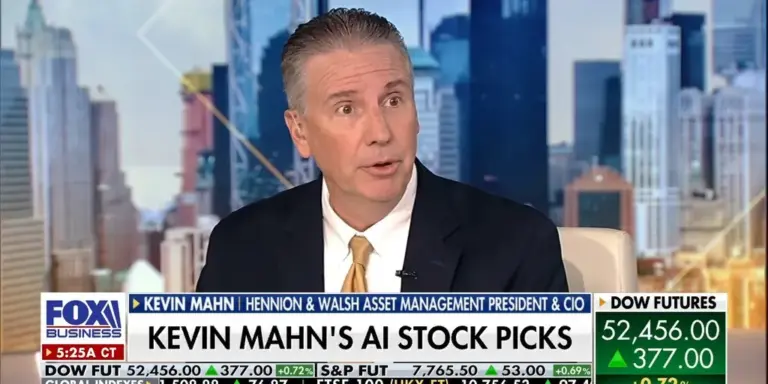
The financial world is currently balancing between the high octane potential of artificial intelligence and the sobering reality of persistent economic pressures. Investment strategist Kevin Mahn has captured market attention with his Air 7 list, a curated selection of AI stocks designed to capitalize on the rapid integration of machine learning across various industries. While many investors have already piled into the biggest names in tech, Mahn suggests that there are still strategic pockets of growth available for those willing to look beyond the surface level hype.

However, this optimism is being tempered by cautious signals from central banking officials. Minneapolis Fed President Neel Kashkari recently issued fresh warnings regarding inflation, suggesting that price stability remains an elusive goal despite previous efforts to cool the economy. Kashkari highlighted that while some progress has been made, certain sectors continue to show stubborn inflationary trends that could complicate the road toward a soft landing. His comments serve as a reminder that the battle against rising costs is far from over and may require more discipline than markets were hoping for.

These conflicting narratives place immense pressure on the Federal Reserve as it prepares its next move on interest rates. Traders are closely analyzing every piece of data to determine whether the Fed will maintain current levels or pivot toward cuts to stimulate growth. The tension lies in finding a middle ground where technology can drive productivity without triggering another spike in consumer prices. As investors eye Mahn’s promising AI picks, they remain tethered to the official word from leaders like Kashkari, knowing that one rate decision can instantly reshape the valuation of even the most innovative companies.

Intel shares saw a significant jump today, climbing 12 percent as investors poured money back into central processing unit stocks. The surge comes amid a broader market rally for semiconductor companies, signaling a renewed confidence in the hardware sector after months of volatility. Analysts suggest that the sudden spike reflects an optimistic shift in how Wall Street views the future of traditional computing power alongside the ongoing artificial intelligence boom.

The primary driver behind this movement appears to be a combination of stabilizing supply chains and stronger than expected demand for next generation chips. While much of the recent industry hype has focused almost exclusively on AI accelerators, traders are now recognizing that these advanced systems still rely heavily on robust CPUs to function efficiently. This realization has sparked a rotation of capital back into legacy chipmakers who provide the foundational architecture for data centers and personal computers alike.

Market observers note that Intel’s particular gain may also be tied to anticipation surrounding its upcoming product launches and efforts to expand its foundry services. By positioning itself not just as a designer but as a manufacturer for other firms, Intel is attempting to carve out a strategic advantage in a highly competitive landscape dominated by rivals like AMD and Nvidia. Today’s price action suggests that shareholders believe this pivot could pay off in the long term.

Despite the excitement, some cautious voices warn that such rapid gains can lead to short term overheating. However, the general sentiment remains bullish as the tech sector continues to integrate new efficiencies across both consumer electronics and enterprise infrastructure. For now, Intel seems to have captured the momentum, turning a period of uncertainty into a powerful rally that has caught the attention of the entire financial community.

Market volatility has left many investors feeling uneasy as treasury yields climb and the Federal Reserve continues its tightrope walk with interest rates. However, seasoned analysts suggest that this period of uncertainty is creating prime opportunities for those willing to hunt for bargains. In a recent discussion on The Morning Filter podcast, experts Dave Sekera and Susan Dziubinski explored the fine line between a genuine discount and a value trap, urging traders to distinguish between companies in temporary decline and those facing fundamental failures.

While some high profile names are struggling to find their footing, there are several high quality stocks that have pulled back enough to become attractive again. By focusing on fundamentally sound businesses that have been unfairly dragged down by broader market sentiment, investors can position themselves for a recovery before the general public catches on. This strategy involves ignoring the short term noise of daily price swings and looking instead at long term value drivers.

Beyond identifying specific bounce back candidates, observers are keeping a close watch on upcoming earnings reports from giants like Costco and Darden Restaurants to gauge consumer spending health. Meanwhile, the ongoing debate over Tesla’s valuation remains a central point of contention among professionals trying to predict where growth stocks head next. For most, the key takeaway is clear: patience and selectivity are the best tools for navigating a choppy market until stability returns.

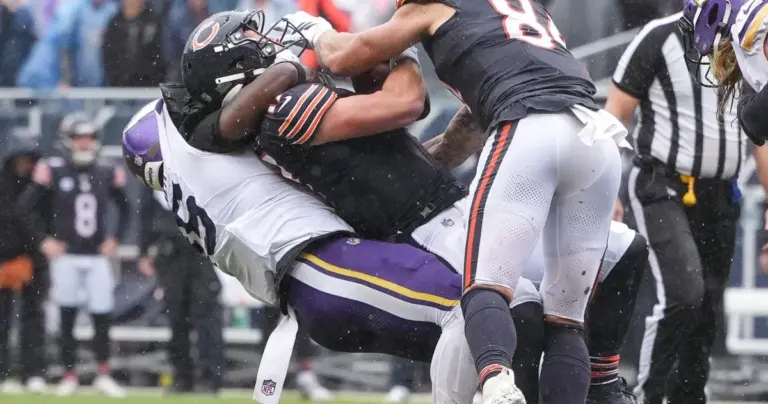
The Minnesota Vikings may not be playing beautiful football, but they are finding plenty of ways to win. In a gritty, rain-soaked battle at Soldier Field on Sunday, the Vikings managed to scrape together a 9-3 victory over the Chicago Bears, moving their record to 2-0 with two crucial wins already banked against NFC North rivals. It was far from a masterpiece on the offensive side of the ball, but Kevin O’Connell has his squad prepared for the trenches, proving that discipline and a dominant defense can outweigh a struggling attack.

The real story of the weekend was the masterful performance of defensive coordinator Brian Flores. After dismantling Green Bay in week one, Flores continued to baffle opposing quarterbacks with his aggressive blitzing schemes, limiting the Bears to just three points. Dallas Turner looked every bit like an elite edge rusher, racking up ten quarterback pressures and sealing the game with a timely sack. He was supported by Jalen Redmond, who played a pivotal role in several goal-line stands, including a forced fumble on the one-yard line that shifted the momentum entirely. Even in treacherous footing where any slip could lead to disaster, the secondary remained airtight for most of the afternoon.

Offensively, however, there are growing concerns about sustainability. While Aaron Jones acted as a reliable bell cow by grinding out 105 yards through heavy contact and slippery turf, the overall output remains alarming. For the second consecutive week, the Vikings struggled to move the chains or find the end zone, leaving them ranked dead last in total yards across the league. Carson Wentz proved himself to be a perfectly capable backup under these circumstances, keeping turnovers low and executing just enough of O’Connell’s plan to survive, but it is clear that relying solely on situational football and special teams will eventually hit a ceiling.

Despite those worries, certain specialists turned themselves into unsung heroes during the slog in Chicago. Will Reichard remained automatic from distance regardless of the wind and rain, while Isaiah Rodgers contributed both as a lockdown defender and via a critical blocked field goal late in the contest. As they head into week three undefeated, Minnesota finds itself in an odd position where they are winning games without actually producing offense. Whether this formula holds up throughout October remains to be seen, but for now, they are comfortably atop their division thanks to sheer willpower and tactical brilliance on defense.