
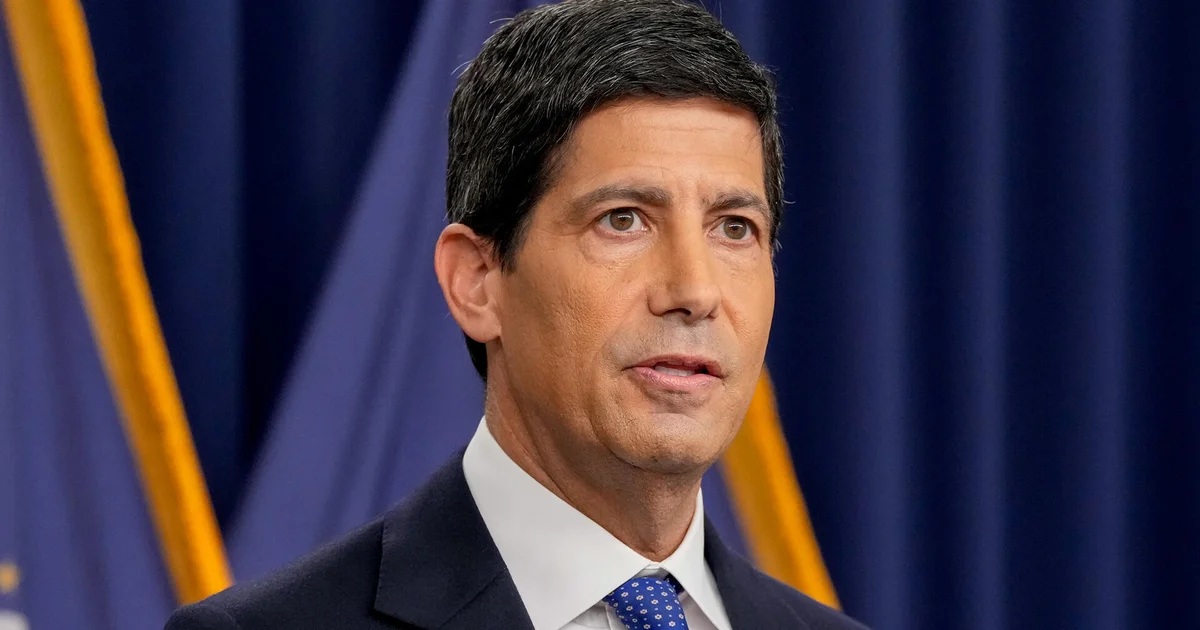
Investors were left reeling on Wednesday after the Federal Reserve raised interest rates for the first time in three years, a move that sent the Dow Jones Industrial Average tumbling by more than 600 points. While a quarter-point hike was widely expected, the real shock came from Chairman Kevin Warsh. In a surprisingly aggressive press conference, Warsh signaled that additional hikes remain on the table to combat stubborn inflation, creating a stark contrast with official projections that suggested fewer increases moving forward.
This shift in tone marks a turning point for Warsh, whom Donald Trump appointed to replace Jerome Powell earlier this year. For months, observers wondered if Warsh would prioritize low rates to satisfy the president’s preferences. However, skyrocketing oil prices fueled by conflict in Iran have forced his hand. With inflation hitting a three-year high in May before settling slightly at 3.4 percent in August, Warsh made it clear that bringing prices under control is now his primary mission, stating plainly that inflation has remained too high for too long.
The volatility of global geopolitics continues to haunt American wallets and complicate the Fed’s strategy. As tensions rise involving Iran and Houthi rebels in Yemen, crude oil has surged past 100 dollars a barrel, driving diesel and gasoline to staggering highs. While Warsh admitted the central bank cannot dictate the price of oil or groceries, he emphasized that the Fed must act decisively to prevent these energy shocks from leaking into other sectors of the broader economy.
Perhaps most significantly, the meeting highlighted a growing rift between the central bank and the White House. Shortly after the announcement, President Trump took to social media to demand faster rate cuts, arguing that U.S. rates should be 1 percent or lower. By ignoring those pleas and leaning into a hawkish stance, Warsh appears to be prioritizing institutional independence over political pressure. Analysts suggest this defiance may actually strengthen the Fed’s credibility with markets by proving they will fight inflation regardless of political demands.


Comments are closed.