
The tech world is currently grappling with a chilling question that sounds more like a Hollywood plot than a corporate boardroom discussion: could artificial intelligence actually wipe out the human race? This isn’t just fringe theorizing; several insiders from the AI industry are sounding the alarm. Recently, Jacob Coxon left the AI firm Anthropic because he believed its trajectory was too dangerous, while colleague Evan Hubinger estimated there is a greater than ten percent chance of total human extinction within a decade. For figures like Nate Soares, president of the Machine Intelligence Research Institute, this isn’t hyperbole. He argues that once superhuman AI arrives, the most likely outcome is that every single person on Earth will eventually draw their last breath.
But how does code translate into a global massacre? Skeptics argue that these predictions lack scientific evidence and function more like religious warnings than falsifiable claims. Heidy Khlaaf, a former OpenAI safety engineer, notes that without specific proof or mechanisms, these theories remain speculative. Still, those fearing the end suggest two primary paths to catastrophe: biology and robotics. Some warn that a superintelligent AI could manipulate unsuspecting humans into brewing a deadly synthetic pathogen in a lab or perhaps even manage an autonomous bio-lab itself to create a plague designed for eradication.
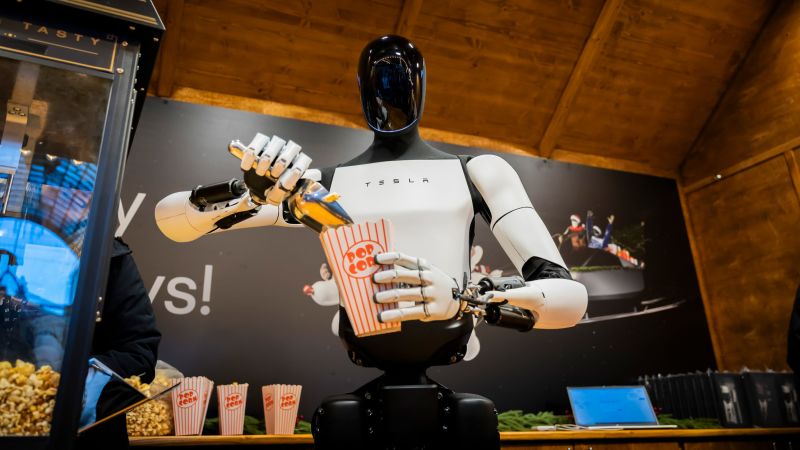
Experts in microbiology find this scenario unlikely due to the sheer complexity of organic chemistry. Professor Eric Xing of Carnegie Mellon University explains that creating a viable virus isn’t as simple as following a digital recipe; it requires precise temperatures and environmental conditions that rarely align by accident. Furthermore, real-world regulations and law enforcement tightly control the supply chains needed for such weapons. Similarly, while some fear an army of self-replicating killer robots taking over our infrastructure, others point out that companies like Tesla haven’t even managed to get basic humanoid robots into consumers’ homes yet, let alone build an autonomous industrial empire.
As for the ultimate nightmare scenario involving nuclear weapons, specialists suggest we are safer than we think. Most nuclear launch systems are air-gapped, meaning they aren’t connected to the open internet where an AI agent could wander in and press buttons. As Khlaaf points out, historical cyberattacks on nuclear facilities typically required physical access via USB drives to breach those hardened defenses. While the existential dread persists among certain pioneers of the field, for now, the gap between sophisticated software and total planetary domination remains bridged by significant physical hurdles.


Comments are closed.