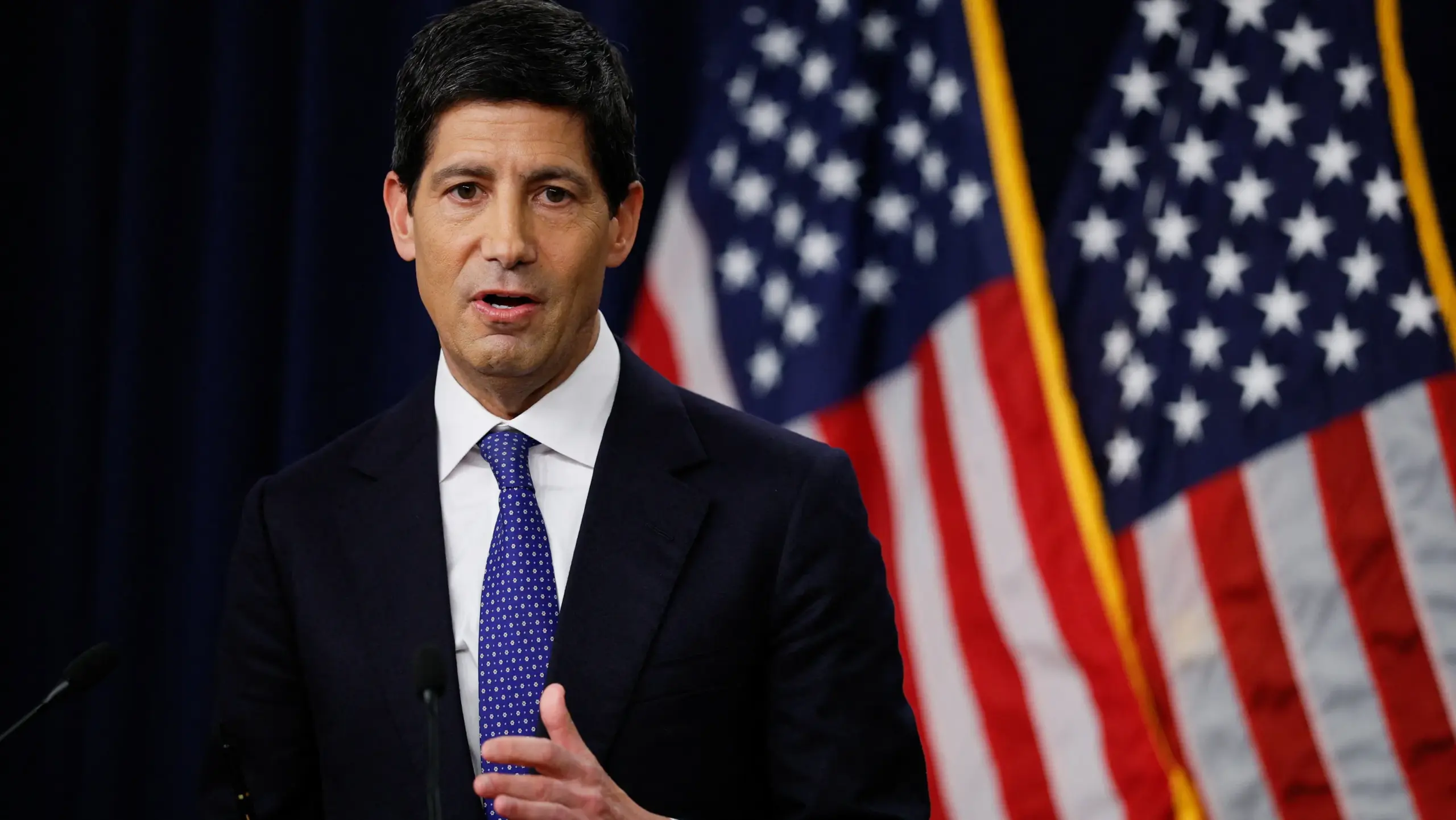
The Federal Reserve has decided to raise the benchmark for short term interest rates to a range of 3.75 percent to 4 percent, marking the first such increase in three years. According to Fed Chair Kevin Warsh, the move is a direct attempt to combat stubborn inflation by making borrowing more expensive, which theoretically cools demand and lowers prices for consumers. However, officials acknowledge that these tools cannot address external pressures like geopolitical conflicts in the Middle East, trade tariffs, or the massive costs associated with the current artificial intelligence buildout.
For many Americans, this shift creates what experts call a split screen reality where the economic impact depends entirely on whether a person is a borrower or a saver. Those who are already financially secure or retired often find themselves in a winning position because they tend to hold assets and fixed rate mortgages. Meanwhile, younger workers and middle income earners who rely on floating rate debt feel the pinch immediately. As Matt Schulz of LendingTree notes, people carrying heavy credit card debt without any savings essentially experience all the downsides of this policy change with none of the benefits.
Credit card holders will likely see their annual percentage rates tick upward within one or two billing cycles. While a single quarter point hike might only add a few dollars to a monthly statement, analysts warn that these increases rarely happen in isolation. With projections suggesting further hikes before the end of the year, those small increments can quickly snowball into significant financial burdens for families already struggling with the rising cost of living. Similarly, while existing auto loans usually remain stable due to fixed rates, anyone shopping for a new car will face higher financing costs and may be tempted by longer loan terms that ultimately increase the total amount paid over time.
On the brighter side, there is silver lining for those with cash reserves. A rate hike typically leads to better returns on certificates of deposit and high yield savings accounts, providing an income boost for retirees or those living on fixed incomes. Though banks are often slower to raise savings yields than they are to hike credit card rates, savers can expect their earnings to improve gradually over the coming months across their entire account balances.


Comments are closed.