
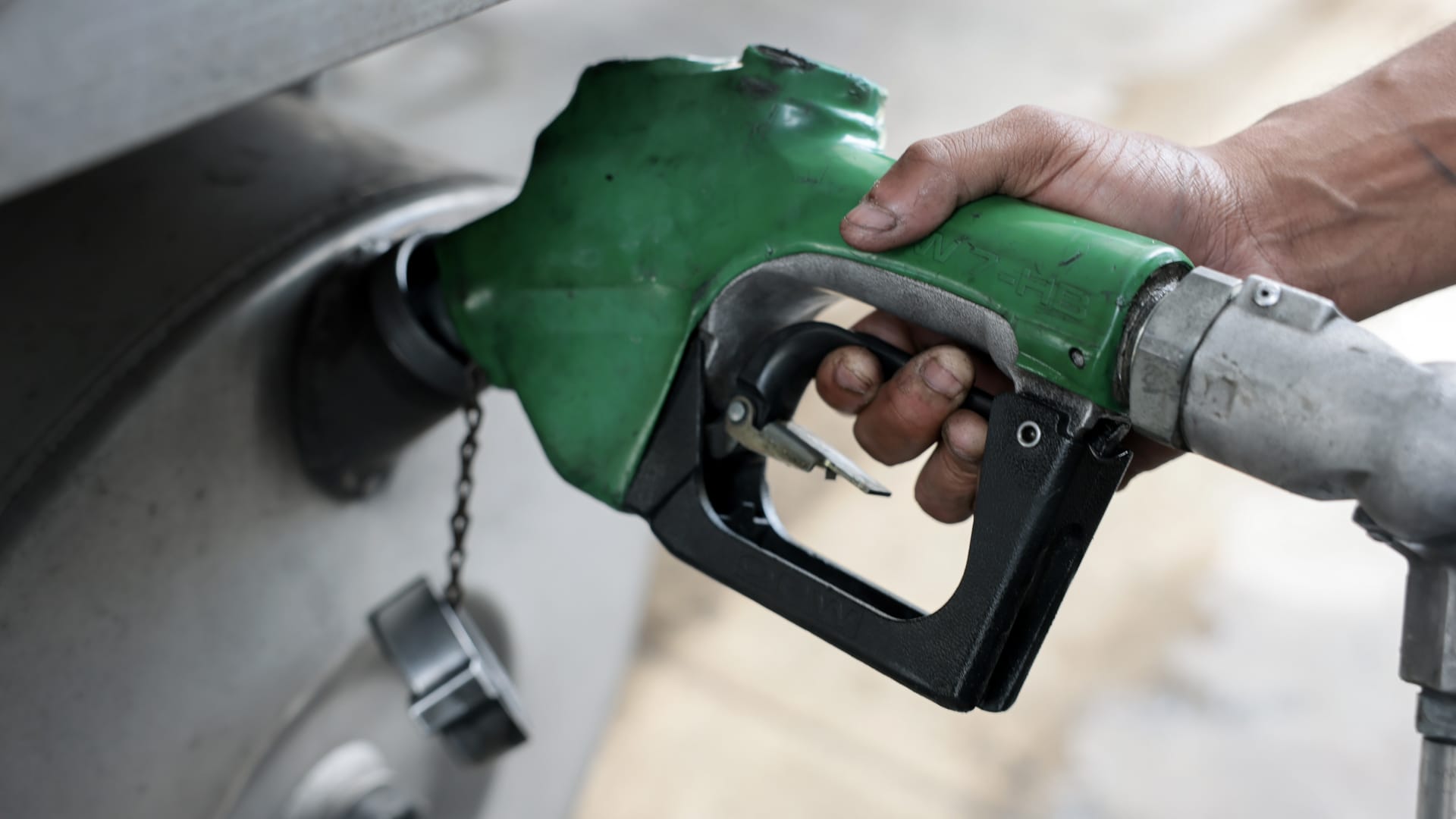
President Donald Trump is weighing the possibility of banning diesel exports in an effort to curb skyrocketing fuel costs, sparking a sharp warning from the oil industry that such a move would actually drive prices higher. Speaking on the sidelines of the United Nations General Assembly, Trump suggested that since the United States produces significant amounts of diesel, keeping those supplies domestic could provide relief to consumers. The proposal comes amid intense political pressure leading up to the November midterm elections, with Republican lawmakers like Senator Chuck Grassley urging an embargo to support struggling farmers in critical swing states like Iowa.
Industry leaders and economists are sounding alarms over what they describe as a counterproductive strategy. Mike Sommers, CEO of the American Petroleum Institute, argued that restricting exports would compound existing refining challenges and hurt consumers rather than helping them. Experts warn that while some areas might see a temporary dip in prices, refineries would eventually be forced to cut total production once storage tanks fill up. Because gasoline and diesel are produced together during the refining process, cutting diesel output would inevitably lead to a shortage of gasoline, potentially pushing pump prices toward record highs across most of the country.
The potential fallout extends beyond domestic borders and into complex international trade relationships. Analysts point out that while the U.S. sends diesel to Europe, it relies on European imports for gasoline. If Washington implements a ban, there is a significant risk that European partners could retaliate with their own restrictions on gasoline exports, which would devastate markets in the U.S. Northeast that depend heavily on foreign fuel. Some analysts suggest these disruptions could spike local fuel prices by as much as 30 cents per gallon almost immediately.
Despite these warnings, the administration remains under immense pressure as national averages show diesel costing nearly three dollars more per gallon than it did last year. While Energy Secretary Chris Wright has cautioned against using a blunt instrument like a full ban and suggests more nuanced restrictions may be better, Treasury Secretary Scott Bessent confirmed the White House is still studying whether any form of restriction is feasible. For now, officials say Trump is evaluating every option available to bring down prices before voters head to the polls this autumn.
Comments are closed.