
Archive

October 19, 2026

Browsing

Speaking during a recent town hall event in Manchester, New Hampshire, Maggie Goodlander voiced her strong support for a total ban on stock trading among senior government officials. Addressing concerns from voters, Goodlander argued that the current state of Congress is defined by an aging leadership that has become far too responsive to corporate interests and the influence of big money. While she noted that she personally refuses to accept corporate PAC contributions, she emphasized that such integrity should be the standard for everyone in power rather than the exception.

To turn these beliefs into policy, Goodlander revealed she is collaborating across party lines with Representative Ryan Fitzpatrick on legislation designed to close existing loopholes. The proposed bill takes a comprehensive approach, seeking to prohibit not just traditional stock trading, but also cryptocurrency transactions and participation in prediction markets for senior officials across all three branches of government. By extending the ban beyond legislative bodies, she intends to ensure that no leader possesses a financial incentive to prioritize personal profit over public service.

During her remarks, Goodlander took specific aim at the executive and judicial branches, citing her own experience clerking at the Supreme Court as motivation for systemic change. She pointed toward former President Donald Trump as a primary example of why these guards are necessary, claiming his wealth grew significantly through processes tied to global events influenced by his own decision making. She described this level of self enrichment as both dangerous and fundamentally un American.

Beyond the ethics of individual trades, Goodlander linked governmental financial misconduct to broader economic struggles facing everyday citizens. She suggested that corruption within the halls of power contributes directly to the rising cost of living affecting families nationwide. For Goodlander, cleaning up Washington starts with removing the temptation of insider trading, which she views as a critical first step in restoring faith in American governance.
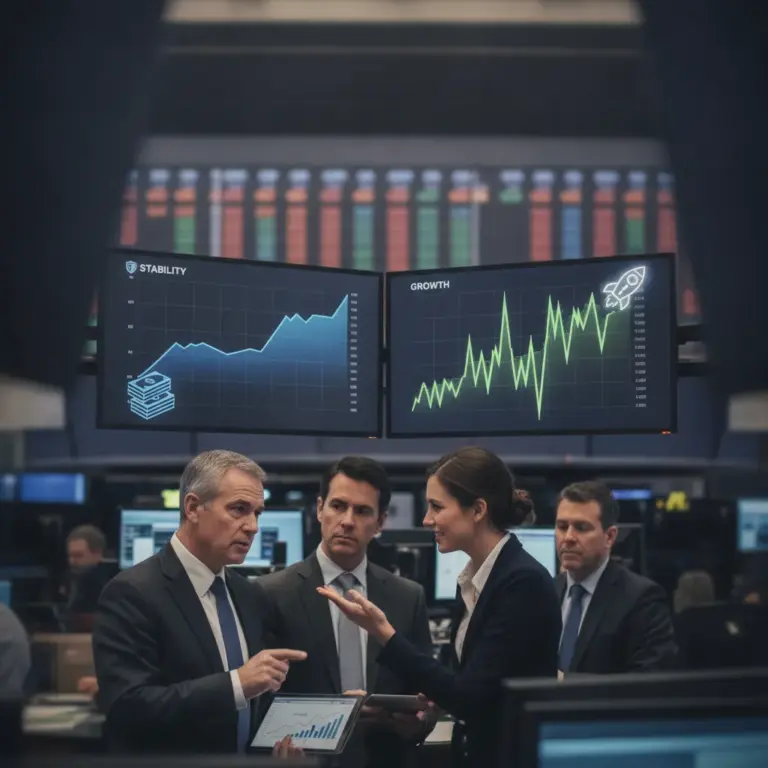
For many retail investors, the allure of dividend stocks lies in their ability to provide a reliable stream of cash regardless of whether the broader market is climbing or crashing. While growth stocks rely on speculative future earnings and value plays depend on the market eventually recognizing a bargain, dividends offer immediate tangible returns. However, seasoned analysts warn that not all yields are created equal, as the strength of a payout is only as reliable as the business model supporting it. This tension is currently playing out between two global titans, Coca-Cola and Nike.

On paper, Nike appears to be the more aggressive choice for income seekers. With a dividend yield of 4.4 percent, it offers nearly double the immediate payout of Coca-Cola’s 2.3 percent. Nike also boasts an impressive track record of raising its dividends for 24 consecutive years, with payouts growing by 128 percent over the last decade. But this higher yield comes with significant baggage. The sportswear giant is currently navigating a rocky turnaround period, facing declining sales and fierce competition from newer footwear brands while trading far below its 2021 peaks.

In contrast, Coca-Cola represents the gold standard of corporate stability. Classified as a Dividend King, the beverage company has increased its payouts for 64 straight years, weathering every recession and inflation spike along the way. While its current yield is lower than Nike’s, it is backed by an incredibly resilient business model and staggering operating margins that ensure shareholders get paid even when the economy falters. For those who prioritize sleep over high percentages, Coke remains the safer bet due to its consistent demand and massive free cash flow.

Ultimately, the decision between these two companies depends on an investor’s appetite for risk this October. Those chasing maximum immediate income might find Nike’s numbers tempting despite its volatility and operational struggles. However, for investors seeking long term security and a guaranteed check in the mail, Coca-Cola’s boredom is actually its greatest asset. By prioritizing fundamental quality over raw percentage points, the beverage giant emerges as the superior buy for those looking to protect their capital during uncertain times.

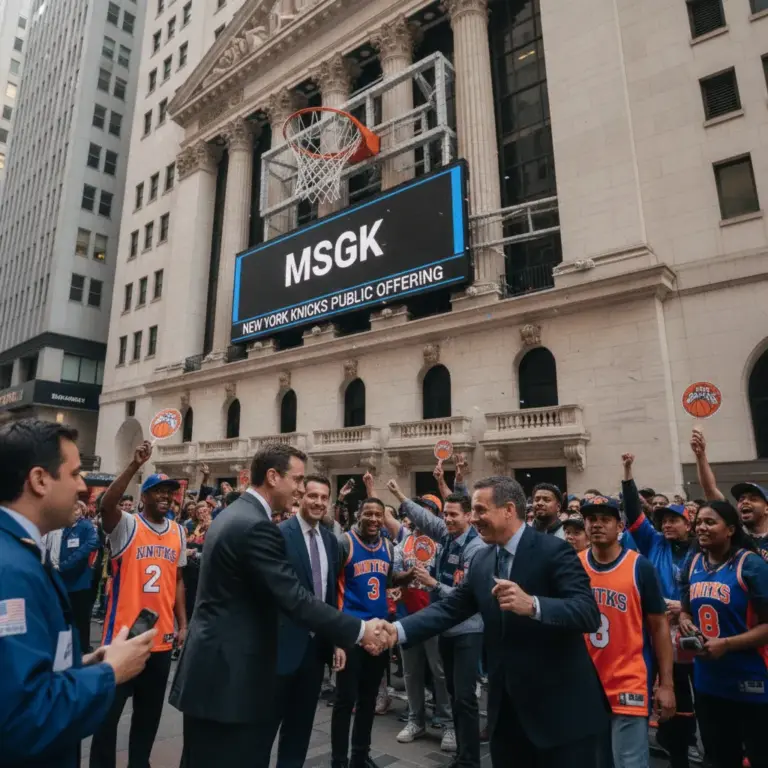
Basketball fans in New York have long dreamed of having a say in how the Knicks are run, but soon they will actually be able to hold a financial stake in the franchise. In a move that shifts the team from a private asset to a public commodity, shares of the Knicks are expected to debut on the New York Stock Exchange later this month under the ticker symbol MSGK. This transition follows a strategic decision by the board of Madison Square Garden Sports to spin off the basketball operations into its own entity, separate from the New York Rangers, who will continue to trade independently as MSGR.

The timing of the listing coincides with an incredible surge in valuation for the parent company, which has seen its market capitalization climb toward ten billion dollars over the past year. While both sports teams contribute to that growth, the Knicks are clearly the primary engine driving the value. Recent estimates suggest a massive gap between the two franchises, with some analysts valuing the Knicks at nearly twelve billion dollars compared to roughly four billion for the Rangers. By splitting them apart, investors can now bet specifically on the success of the league’s most famous brand without being tied to hockey performance.

However, this corporate evolution arrives alongside significant baggage and ongoing controversy surrounding leadership. The formation of MSG Knickerbockers Corp involves bringing Isiah Thomas onto its board, a move likely to draw criticism given his history of sexual harassment allegations during his tenure as head coach. At the same time, owner James Dolan remains under fire from privacy advocates following reports regarding his aggressive use of facial recognition software at Madison Square Garden. Despite these distractions and boardroom tensions, thousands of traders and fans are preparing to treat their loyalty like a portfolio investment when those shares finally hit the floor.

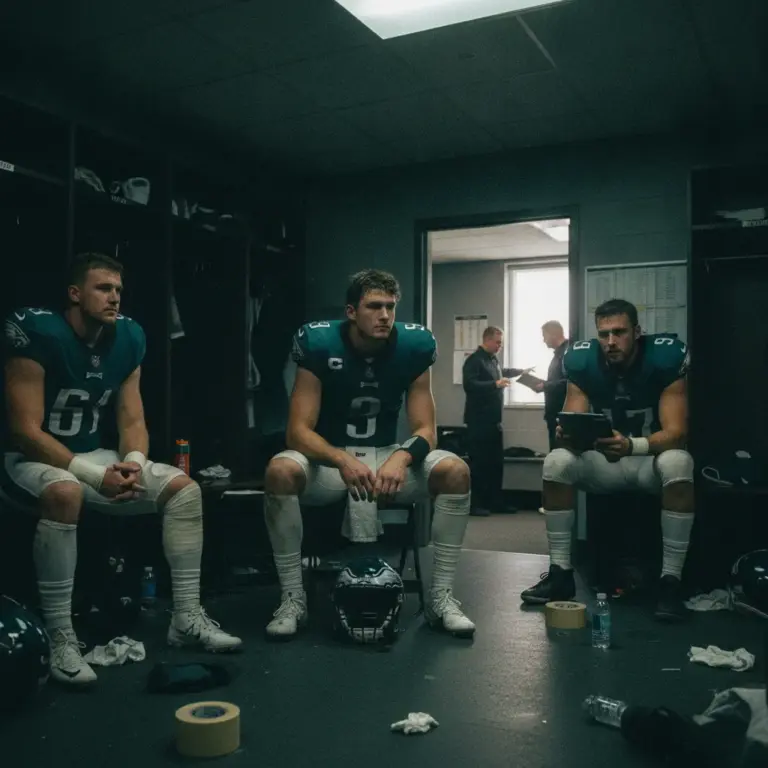
It is difficult to find any preseason game with less energy than the Eagles displayed during their lifeless 25-14 defeat to the Panthers on Sunday. Now sitting at a dismal 2-4 record, this iteration of the Philadelphia squad is barely recognizable from the powerhouse fans remember. A devastating wave of injuries, combined with a sudden retirement, a surprising trade, and a serious medical emergency involving a blood clot, has left the roster hollowed out and thrusting Tanner McKee into the starting role under impossible circumstances. With high stakes matchups against the Cowboys and Giants looming before the bye week, the franchise finds itself teetering on the edge of a complete seasonal collapse.

Despite the gloom, there were small flickers of individual effort amidst the wreckage. Tight end Dallas Goedert emerged as the lone bright spot on offense, serving as a reliable safety valve for McKee with six catches for 61 yards. While Goedert showed flashes of health and speed, his strong performance carries a bittersweet undertone given his impending free agency. If the team decides to enter a rebuilding phase—a move that seems increasingly likely—Goedert’s current form may simply serve to maximize his trade value rather than signal a turnaround for the local offense. Other potential highlights were cut short, including an early sack by Nolan Smith before he exited with a concussion and an initial burst from backup running back Dameon Pierce that vanished as quickly as it appeared.

The most alarming takeaway from Sunday was not just the loss, but the systemic failure of the first down offense. The Eagles currently rank as the worst team in the NFL in first down efficiency, and their performance against Carolina was staggering. Across 22 first down attempts, they managed only 27 total yards, averaging a miserable 1.2 yards per play. Even accounting for missing key starters at quarterback and running back, there is no justifying such stagnation. From sacks to costly holding penalties and fumbled snaps, Philadelphia spent nearly sixty minutes playing from behind because they could not generate basic forward momentum.

This inability to move early in sets puts immense pressure on whoever is leading the huddle. While Jalen Hurts possesses the unique ability to erase mistakes with his legs or poise in clutch moments, Tanner McKee cannot afford these lapses if he hopes to establish himself in league circles. For an offense already depleted by attrition, failing at its most fundamental level suggests that these struggles aren’t just bad luck but part of a deeper decline. Unless something changes drastically before November 10th, Philadelphia risks writing its own obituary well before December arrives.

Wall Street showed signs of recovery on Sunday night as index futures ticked upward, suggesting that investors are beginning to view recent losses in the artificial intelligence sector as a buying opportunity. Nasdaq 100 futures led the modest rebound with a 0.4 percent gain, while the S&P 500 and Dow Jones Industrial Average futures followed suit with slight increases. This cautious return comes after a brutal week where the Nasdaq tumbled 4.5 percent, ending a month long rally and leaving many wondering if the euphoria surrounding AI had finally hit a wall.

The sudden shift in sentiment was triggered by growing concerns over whether the massive spending on AI infrastructure can actually deliver proportional returns. Anxiety spiked following reports regarding Anthropic’s revenue growth and a dramatic crash in CoreWeave stock, which plunged 25 percent last week. Financial analysts at Goldman Sachs warned that credit spreads for AI firms have reached their widest levels of the year, signaling that bond investors are becoming increasingly skeptical about how these companies finance their expansion through heavy debt loads.

Adding to the volatility, global markets spent the weekend navigating heightened geopolitical risks in energy corridors. Despite fresh drone strikes against Russian oil terminals in St. Petersburg and tanker attacks in the Persian Gulf, crude oil prices remained surprisingly stable or drifted slightly lower on Sunday. This relative calm in energy costs provided additional breathing room for equity traders who feared another spike in inflation could further dampen investor appetite for risk assets.

Market participants are now looking toward a critical week of corporate earnings to determine if this current bounce is sustainable. With heavyweight names like Meta Platforms and Tesla scheduled to report their latest figures, investors hope for strong results that can prove AI investments are paying off. For now, the mood remains tentative as traders weigh the potential for continued growth against warnings that peak capital expenditure may already be behind us.

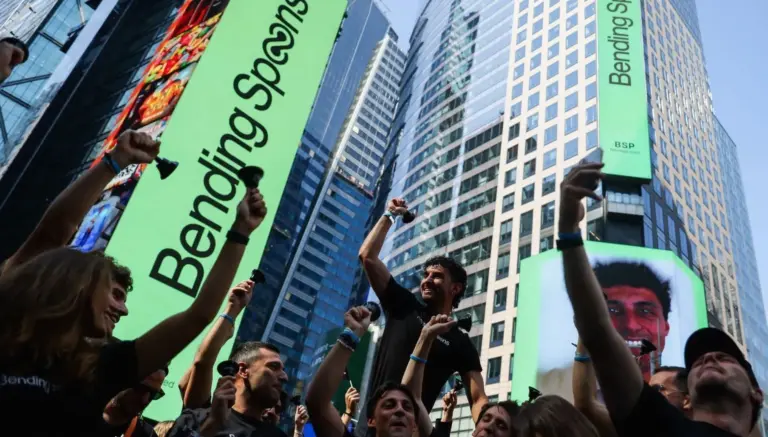
The tech world is witnessing a brutal realignment as the rise of generative AI turns yesterday’s software stars into today’s bargain bins. At the center of this shift is Bending Spoons, a Milan based holding company that has rapidly evolved from an obscure Italian startup into a powerhouse consolidator of distressed digital assets. By snapping up formerly high flying names like Evernote, Vimeo, and AOL, the firm has positioned itself as a sanctuary for software tools that have been cast aside in the rush toward large language models.

This aggressive strategy recently received a massive endorsement from the gold standard of long term investing. Berkshire Hathaway has poured over 900 million dollars into Bending Spoons, including a fresh 330 million dollar stake revealed this week. While Wall Street responded with a surge in stock price, pushing the company’s market capitalization to around 30 billion dollars, analysts suggest the real story is the validation of Bending Spoons’ specific operational model. Unlike traditional private equity firms that often look for quick flips, Bending Spoons aims to hold these companies indefinitely and extract profit through deep operational restructuring.

However, this financial success comes with a steep human cost. To achieve profitability, Bending Spoons employs a ruthless approach to overhead. After acquiring Airtable for roughly 1.3 billion dollars—a fraction of its peak valuation—the company announced that a significant portion of the existing team would be let go with severance packages. Similar waves of layoffs have swept through its other acquisitions, such as WeTransfer and Evernote, cementing the company’s reputation in Silicon Valley as a lean machine that strips away excess to save the product.

Industry insiders have even coined the phrase Being Bending Spooned to describe talented companies being scooped up for pennies on the dollar because they lack an AI edge. As giants like OpenAI and Anthropic command trillions in perceived value, traditional software as a service providers are finding themselves relegated to legacy status overnight. For founders and employees caught in this transition, it is a stark reminder that in the current era of technology, you are either on the cutting edge or you are simply an asset waiting to be consolidated.

Berkshire Hathaway is making a bold move into the digital realm with a near billion dollar commitment to Bending Spoons, an Italian tech powerhouse that specializes in acquiring and optimizing struggling software businesses. This investment comes in two stages, starting with a six hundred million dollar injection during the company’s July public debut followed by a fresh three hundred thirty million dollar agreement to purchase ten million shares. The announcement sent shockwaves through the market, triggering the famous Buffett effect as shares surged nearly fifty percent in just two days.

On the surface, the partnership seems unlikely given Warren Buffett’s historical aversion to high valuation tech stocks. Bending Spoons operates with a level of intensity and disruption that contradicts Berkshire’s usual hands off approach. While Berkshire lets its subsidiaries run autonomously for decades, Bending Spoons aggressively guts and rebuilds its acquisitions. For instance, after purchasing Evernote, CEO Luca Ferrari streamlined the workforce from three hundred fifty employees down to just twenty while simultaneously launching the product’s most significant update in years through heavy integration of artificial intelligence.

Despite these operational differences, there is a deeper philosophical kinship between the two firms. Both operate as decentralized conglomerates that view themselves as forever owners rather than short term flippers. Much like how Berkshire uses steady cash flow from staples like See’s Candies to fund new ventures, Bending Spoons reinvests its optimized earnings into further digital acquisitions including names like Vimeo and WeTransfer. Ferrari has openly cited Berkshire as an inspiration, mirroring Buffett’s obsession with capital allocation and lifelong learning.

This pivot may signal a shift in strategy as Berkshire transitions away from Buffett’s direct leadership toward new management under Greg Abel and investment managers like Ted Weschler. While some analysts argue that paying over one hundred times earnings per share defies traditional value investing, the sum represents a mere fraction of Berkshire’s massive cash reserves. Whether this is a calculated experiment in modern efficiency or a sign of an evolving corporate identity remains to be seen, but it firmly places the Nebraska giant inside the orbit of Europe’s most aggressive tech consolidator.

American shoppers are feeling a new kind of anxiety as they walk through their local grocery stores, and it has less to do with inflation than with the technology managing the shelves. The rapid rollout of digital price tags and artificial intelligence tools is sparking fears over surveillance pricing, a practice where algorithms potentially adjust costs based on a customer’s personal data, location, or browsing habits. While many consumers are already used to fluctuating fares for flights and ride shares, the idea that a gallon of milk or a box of cereal could change price based on who is buying it has touched a raw nerve across the country.

Retail giants like Walmart argue that these technological shifts are simply about efficiency rather than exploitation. Executives maintain that digital labels save labor hours and ensure accuracy, insisting that they price products rather than people. Industry experts point out that while dynamic pricing allows for quick adjustments based on supply and demand, it can actually lead to lower prices for consumers in some instances. Despite these assurances, a lack of transparency regarding how customer data is collected and utilized continues to fuel suspicion and viral misinformation on social media.

This tension has moved beyond internet forums and into the halls of government. Lawmakers in at least thirty states have weighed in on potential legislation this year to curb algorithmic pricing abuses, with Maryland, New Jersey, and Connecticut already enacting specific restrictions on using personal data to dictate grocery costs. At the federal level, the Federal Trade Commission has issued warnings that failing to disclose the use of personal data for individualized pricing could constitute a violation of consumer protection laws.

The legal landscape is further complicated by past controversies involving retail tech. A notable case saw Target settle for five million dollars following allegations that its app used geofencing to raise prices once customers stepped foot inside physical stores. While corporations claim such discrepancies are usually due to regional variations or channel differences, critics argue that without strict oversight, the balance of power will shift entirely toward companies, leaving shoppers vulnerable to invisible calculations they cannot see or challenge.

For several years, the narrative surrounding China’s relationship with U.S. Treasury debt has been one of steady abandonment. Official figures suggest a dramatic exodus, with holdings plummeting from over a trillion dollars in early 2022 to just 591 billion by August, marking an eighteen year low. This trend sparked widespread alarm among economists and policymakers who feared a coordinated effort by Beijing to accelerate de-dollarization and destabilize the greenback as part of a broader geopolitical pivot.

However, a closer look at the accounting suggests that China might not be dumping its American assets so much as hiding them. Because the U.S. Treasury collects data primarily through domestic custodians and brokers, securities held in overseas accounts often vanish from the official tally of their true owners. Analysts have noticed a curious coincidence where spikes in Treasury holdings in countries like Canada and Belgium mirror the declines reported for China. In fact, Canada’s holdings surged to 465 billion dollars over five years, while Belgium’s grew to nearly half a trillion during the same window.

The motivation for such an elaborate shell game is rooted in the tension between political optics and economic reality. While Beijing publicly challenges U.S. financial supremacy and diversifies into gold following sanctions on Russia, it remains tethered to the American market by its own success. With record breaking trade surpluses reaching 1.2 trillion dollars in 2025, China possesses mountains of capital that must be recycled into stable investments. Despite trade wars and diplomatic friction, the U.S. Treasury market remains one of the few places capable of absorbing such vast sums of liquidity.

Experts like Brad Setser of the Council on Foreign Relations argue that when you factor in these offshore custodial hubs across Europe and North America, China’s actual footprint in U_S_ debt is significantly larger than advertised. By shifting assets to non-U_S_ custodians, Beijing can maintain its strategic investment while projecting an image of decoupling to the rest of the world. If these estimates hold true, China may still hold upwards of half of its reserve portfolio in U_S_ financial instruments, suggesting that while the rhetoric has changed, the underlying dependency remains firmly intact.

Disney is aggressively expanding its artificial intelligence capabilities following the sudden collapse of chatbot startup Character.AI. In a move that signals a major shift in strategy for the entertainment giant, Disney has reached an agreement to bring over the bulk of Character.AI’s staff after the startup filed for bankruptcy earlier this week. The transition is already being led from the top, as Character.AI’s former CEO, Karandeep Anand, has stepped into the role of Disney’s first ever Chief Technology Officer.

According to court documents uncovered by Bloomberg, Disney intends to extend job offers to at least 60 people, representing most of the startup’s workforce. This talent acquisition comes with a hefty price tag, as Disney expects to spend roughly 60 million dollars in annual compensation for these new hires. While the deal includes a modest 20 million dollar payment for certain assets, the real value lies in the human capital, and reports indicate that nearly everyone offered a position has already accepted.

Despite having a massive and loyal user base, Character.AI struggled under the weight of staggering operational costs and mounting legal pressures. The company found itself mired in government probes regarding child safety and faced a heartbreaking lawsuit from a parent whose teenage son reportedly became obsessed with a bot before taking his own life. These liabilities ultimately made the business unsustainable despite its technological promise.

It is important to note that this arrangement currently serves as a stalking horse bid, meaning it sets the baseline for any potential competitors who might want to outbid Disney for the team and technology. For now, however, Mickey Mouse seems poised to lead the charge in integrating sophisticated conversational AI into its vast empire of storytelling and theme park experiences.