
Archive

November 12, 2026

Browsing

As Veterans Day approaches on November 11, dozens of restaurant chains across the United States are preparing to honor service members with a wide array of free meals and special promotions. According to Alison Quinn, president of Dinova, this year’s Veterans Day Dining Guide features roughly 30 different brands ranging from national powerhouses to regional favorites. From free shrimp at Red Lobster to a complimentary burger at Red Robin, the offerings provide a tangible way for businesses to say thank you to those who served in the armed forces.

While many people associate these perks with a single day of celebration, there is a growing trend toward long term appreciation. Many establishments are now including incentives designed to bring veterans back through their doors well after the holiday has passed. For example, companies like Hofman Hospitality Group and Outback Steakhouse are pairing their immediate giveaways with bonus cards or meal offers valid for future visits, moving away from one time gestures toward more sustained relationships with the military community.

The variety of available treats is extensive this year, featuring crowd pleasers such as ten free boneless wings at Buffalo Wild Wings and a signature Bloomin’ Onion at Outback Steakhouse. These promotions serve a dual purpose, acting as both a mark of respect and practical support for active duty personnel or veterans who may be managing tight budgets. Whether it is a high end cheeseburger at Eddie Merlot’s or an All American Smash at Smashburger, the goal is to create a welcoming environment for all branches of service.

Those planning to take advantage of these deals are encouraged to keep a few logistics in mind before heading out. Because participation and specific requirements can fluctuate between individual franchises and regions, experts suggest checking with local managers first. Most participating locations will require official identification to verify veteran or active duty status, ensuring that the rewards reach those who earned them during their time in service.

In the world of high stakes counterintelligence, there is a long standing warning shared among diplomats and generals regarding the danger of the honeytrap. The premise is simple: when someone unexpectedly captivating takes a sudden interest in an ordinary person, they likely have an ulterior motive. While Jensen Huang is anything but ordinary, serving as the billionaire architect of Nvidia and a central figure in the global AI race, he appears to have fallen victim to this classic playbook regardless of his status or wealth.

Recent reports suggest that Huang became entangled in a romantic affair with Alice Huang, a former executive at Megaspeed, a Singaporean cloud provider. U.S. intelligence agencies now believe she acted as an asset for China’s Ministry of State Security. This revelation has sent shockwaves through both Silicon Valley and Washington, raising urgent questions about whether some of the world’s most sensitive semiconductor secrets were compromised during their relationship. While Nvidia’s board maintains that no national security breaches have occurred, the optics remain devastating for a company positioned at the epicenter of a geopolitical cold war over computing power.

This incident fits into a broader pattern of Chinese economic espionage designed to accelerate Beijing’s military and technological capabilities. From targeting members of Congress to utilizing LinkedIn for corporate infiltration, these operations often leverage personal relationships to gain access to protected data. For executives like Huang, who operate in an environment where even hotel rooms are suspected of being bugged and burner phones are standard equipment, the breach suggests that psychological vulnerabilities can override technical safeguards.

The fallout has already reached the highest levels of government, involving conflicting accounts from the Trump administration regarding what was known and when. Despite warnings issued by officials such as Marco Rubio months ago, Huang continued his proximity to leadership while maintaining ties to individuals linked to this alleged plot. As investigators dig deeper into the timeline between 2024 and 2025, the situation serves as a stark reminder that in the current era of chip wars, no amount of success provides total immunity from old school intelligence tactics.

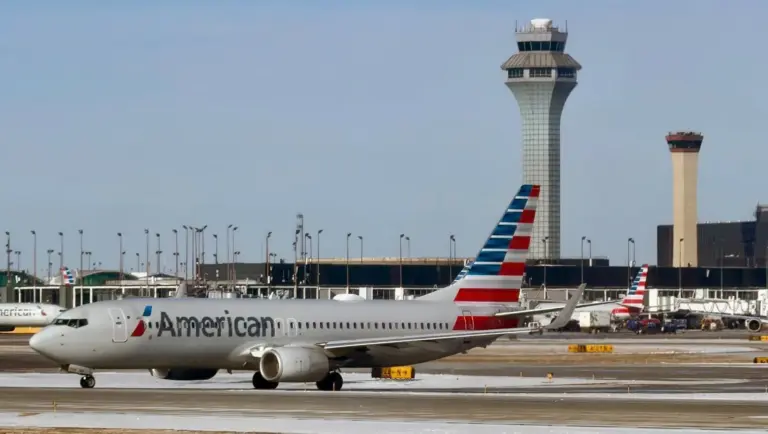
Travelers flying first class between New York and Chicago can finally ditch the prepackaged snacks for something a bit more sophisticated. American Airlines announced this week that it is reintroduceding fresh food options on these key hub routes, marking the first time such an offering has returned since 2019. Starting this month, passengers will find a curated selection of small bites designed to elevate the short haul experience.

The new menu focuses on light but flavorful choices tailored to different times of day. Breakfast flyers can choose between apple cinnamon chia pudding or classic prosciutto and melon, while those traveling during lunch or dinner hours can opt for a mezze plate or a Thai noodle salad. For years, these flights had seen their premium dining reduced to basic wrapped snacks, reflecting a broader industry trend of scaling back services on shorter journeys.

This move comes as American Airlines attempts to close the gap with rivals like Delta and United, who have aggressively invested in high end amenities to attract big spending corporate and leisure travelers. While other carriers have focused on expanding their lounge networks and redesigning cabins, American is using targeted culinary upgrades to regain its footing in the luxury market.

Beyond the meal trays, the airline has been quietly rolling out several improvements meant to lure back prestige passengers. These efforts include updating existing lounges and planning the installation of seatback screens across its narrow body fleet. By adding fresh flavors back to the New York to Chicago leg, American is signaling that it recognizes the growing demand for true premium service regardless of flight duration.

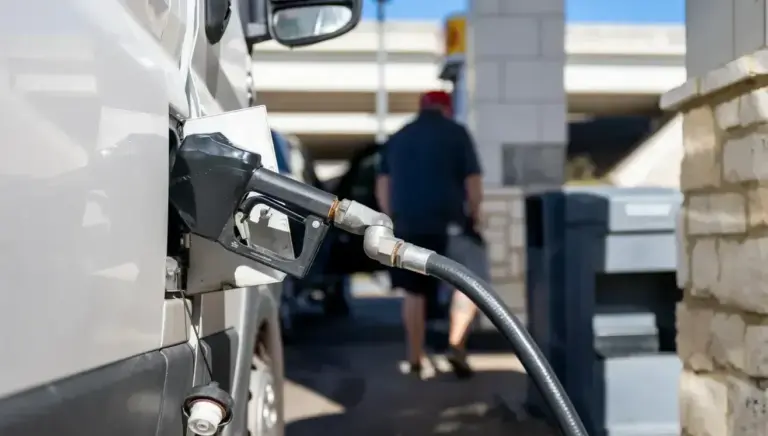
Drivers across the country are finally seeing some breathing room at the pump as the national average for a gallon of regular gasoline has dipped below the four dollar mark. According to data from AAA, prices hit roughly three dollars and ninety four cents this week, marking a forty cent drop over the last month. While many motorists might be tempted to attribute this sudden relief to recent political developments or elections, experts insist that the reality is far more mundane.

Much of the current decline is attributed to typical seasonal patterns. As autumn sets in, fewer people take to the roads compared to the peak summer travel season, naturally lowering demand. Additionally, refineries have completed their annual maintenance cycles and transitioned to a winter blend of gasoline. This specific mixture is designed to help engines start in colder temperatures and incorporates more butane, which makes it cheaper to produce than the smog reducing blends used during the hotter months.

Beyond local logistics, however, lies a larger geopolitical influence involving Brent crude oil. The raw material needed for gasoline has dropped toward ninety dollars a barrel due to increased pipeline flow from the Middle East and optimistic trading following diplomatic efforts between the United States and Iran. Analysts warn that this trend remains fragile, noting that any escalation in regional conflict could quickly erase these gains and send prices climbing once again.

Despite the immediate dip, energy analysts caution against expecting a full return to pre war pricing levels anytime soon. Recovering previous lows would require a total normalization of the global supply chain, including ships returning to standard routes through the Strait of Hormuz and a replenishment of depleted stockpiles. In fact, AAA notes that despite this recent drop, fuel costs remain at historic highs for this particular time of year.

United Airlines is stepping back from the automation trend by officially banning artificial intelligence agents from booking flights on behalf of passengers. The carrier announced the move on Wednesday, pointing toward significant security vulnerabilities and potential legal complications. As more people rely on sophisticated AI tools from companies like OpenAI and Meta to handle daily chores and shopping, United argues that giving these bots access to sensitive payment details and account credentials opens the door to identity theft, accidental purchases, and the unauthorized use of loyalty miles.

Beyond data privacy concerns, the airline highlighted specific regulatory hurdles that automated systems cannot legally clear. Federal rules require travelers to personally certify that their luggage contains no prohibited items during the check-in process, a verification step that a software agent simply cannot perform. To enforce this stance, United is updating its ticketing policies and implementing technical restrictions across its digital platforms and partner agencies to block unauthorized third party assistants.

Industry experts suggest this decision is about more than just safety; it is a strategic play for control. Aviation analyst Henry Harteveldt notes that United likely wants to prevent another powerful layer of intermediaries from sitting between the brand and its customers. By cutting off AI bots, the airline avoids the high infrastructure costs associated with surges in automated flight searches while ensuring they maintain a direct relationship with the traveler.

This approach puts United at odds with some competitors, such as Southwest, which has embraced integration by making its inventory accessible through ChatGPT. While traditional search engines and travel aggregators like Google Flights and Kayak will still be able to list United’s fares, those looking for a fully autonomous concierge experience will find themselves blocked. In essence, while finding a cheap ticket remains easy, letting a robot buy it for you is now against company policy.