
Archive

November 4, 2026

Browsing

Investors are currently weighing whether the recent dip in SpaceX shares represents a golden opportunity or a dangerous trap. After sliding eleven percent in October, the stock has drifted below the 140 dollar mark, landing uncomfortably close to its initial public offering price of 135 dollars. This decline mirrors a broader cooling of enthusiasm for artificial intelligence stocks, revealing a surprising truth about the company. While rocket launches capture the headlines, much of SpaceX’s financial engine and future growth strategy is tied directly to AI, leaving it vulnerable to the same market swings affecting Silicon Valley giants.

The primary concern for cautious observers is that the company’s valuation relies far more on Elon Musk’s visionary storytelling than on traditional financial health. From colonizing Mars to establishing orbital data centers, Musk has painted a breathtaking picture of the future. However, critics point out that these ambitious timelines rarely align with reality. A recent analysis suggests that many of Musk’s corporate promises remain unmet or chronically delayed, making it risky to bet heavily on milestones that may never materialize within a reasonable timeframe.

A closer look at the balance sheet reveals deep contradictions between revenue and expenditure. Although SpaceX reported an operating profit recently—driven largely by Starlink connectivity—its core space exploration ventures continue to lose money. Even more alarming is the aggressive spend in its Super Intelligence division; capital expenditures reached 16.4 billion dollars last quarter, actually exceeding the company’s total quarterly revenue of 14.6 billion dollars. This level of spending indicates a massive gamble on AI payoffs that aren’t yet guaranteed.

Ultimately, buying into SpaceX right now feels like paying a steep premium for possibilities rather than certainties. With rising interest rates potentially dampening demand and fierce competition crowding the AI sector, any slip in performance could lead to further volatility. For those tempted by the current price drop, it is important to remember that this is not a conservative investment. Between the astronomical valuation and the unpredictable nature of its leadership, shareholders should expect a bumpy ride regardless of how high their hopes for Mars may be.

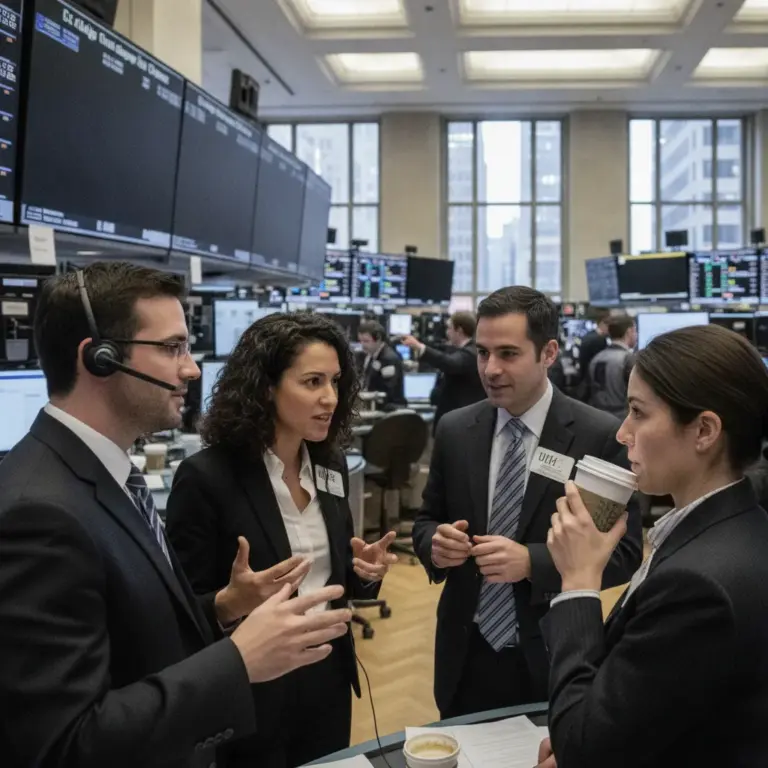
Investors reacted sharply to Intel’s latest financial disclosures, sending shares tumbling nearly 29 percent following a fiscal third-quarter report that painted a complicated picture of the company’s future. While adjusted earnings actually beat analyst expectations, the market focused instead on a sobering outlook for the final months of 2026. Management forecasted fourth-quarter revenue between 15 billion and 16 billion dollars, a dip from the previous quarter driven largely by a persistent slump in the personal computer market.

The primary tension within Intel right now is a tug of war between two very different business segments. On one side, the data center division is experiencing explosive growth, with revenues jumping nearly 80 percent year over year to reach 7.3 billion dollars. However, this success is being throttled by supply chain issues rather than a lack of interest. A shortage of critical packaging materials is limiting output and is expected to hinder shipments well into 2028, meaning Intel cannot fully capitalize on the current hunger for server chips.

Conversely, the PC chip business continues to bleed value as manufacturers struggle with excess inventory and tight corporate IT budgets. Revenues in this sector fell 9 percent recently, and leadership warns that another steep drop could occur in the coming quarter. Although there are bright spots, such as a significant rise in AI PC chip sales and progress on the upcoming Nova Lake architecture, these gains haven’t been enough to stop the overall slide toward what looks like a prolonged downturn lasting through early 2027.

Adding to the volatility are internal headwinds and heavy spending requirements. An incident at the Fab 28 plant is expected to cost the company hundreds of millions of dollars over several quarters. Meanwhile, massive capital expenditures needed to ramp up new production nodes mean that positive free cash flow remains elusive for at least another year. With billions in debt hanging over them, shareholders are essentially betting that the momentum in data centers can sustain the company until the PC market finally stabilizes.

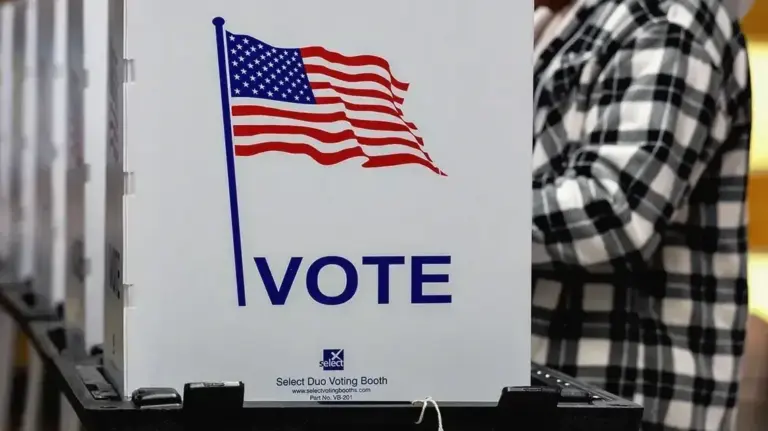
As voters head to the polls for the midterm elections, Wall Street is looking past the political noise toward historical trends that suggest a potential windfall for investors. Data from Edward Jones reveals a consistent pattern since 1970, showing that the S&P 500 has risen an average of 1.7 percent in the month following midterms, with gains jumping to an average of 15.5 percent over the subsequent six months. Strategists like Magdalena Ocampo from Principal Asset Management suggest that while short term swings are expected, markets typically thrive once election uncertainty fades and focus shifts back to core economic fundamentals.

Interestingly, many analysts argue that a split government might actually be the best case scenario for corporate growth. Chris Low of FHN Financial notes that political gridlock often creates a more predictable environment by preventing drastic changes to tax laws and spending habits. When Congress is unable to pass sweeping legislation, companies feel more confident investing in long term projects, which generally bolsters overall earnings. This preference for stability suggests that a stalemate in Washington could act as a buffer against extreme market volatility.

However, this predictability comes with significant risks regarding the national debt, which has now climbed past 40 trillion dollars. Ed Yardeni of Yardeni Research warns that prolonged fiscal standoffs or government shutdowns could spook bond investors and drive up Treasury yields, potentially dragging down equity valuations. There is also concern that heavy reliance on executive orders could maintain instability regardless of who controls Congress, meaning a sudden shift in power could initially rattle shareholders before any eventual recovery occurs.

Beyond the numbers, a Democratic victory could lead to systemic shifts in how federal agencies are managed. Analysts such as Jaret Seiberg believe a blue wave could allow Democrats to block key appointments or install their own picks at regulatory bodies like the SEC and FDIC. Furthermore, shifting leadership within Senate committees could open the door for more populist legislative efforts. Still, experts at UBS remind investors that the presidential veto remains a powerful tool, ensuring that neither party can completely rewrite the economic rulebook without broad consensus.

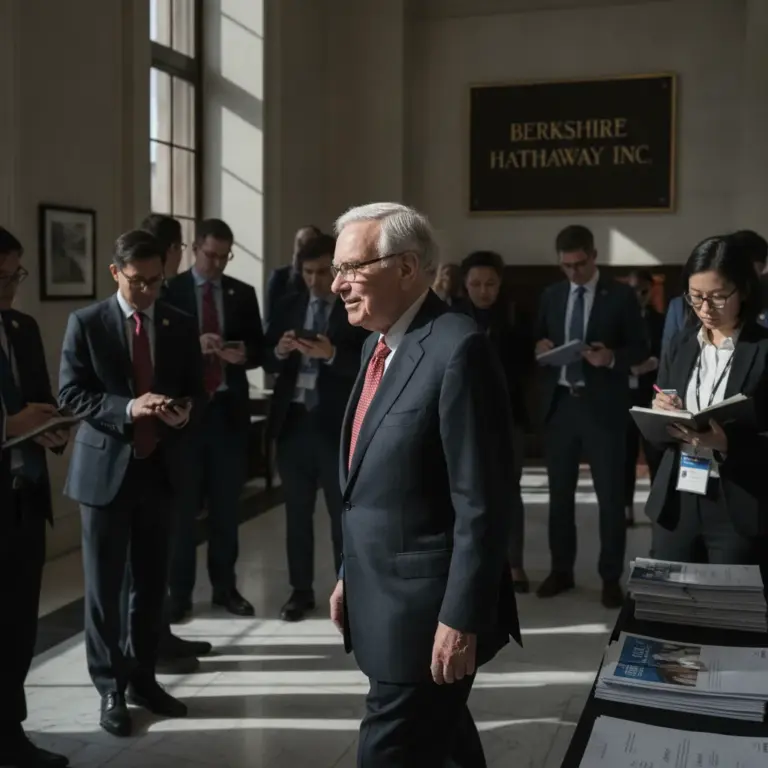
Investors are keeping a close eye on Berkshire Hathaway as the conglomerate prepares to unveil its third quarter earnings on November 7. With shares climbing 11 percent this year and a recent surge in price action over the last month, the conversation has shifted toward whether the stock remains a bargain or has finally become too expensive. While the company continues to act as a safe harbor for capital during market turbulence, analysts are weighing current prices against the actual intrinsic value of Buffett’s diverse holdings.

The upcoming report is expected to show modest growth in operating earnings, likely landing in the mid to high single digits. There is some concern regarding the insurance sector, where giants like Geico are feeling the pinch of normalized margins and stiffer competition as post pandemic pricing peaks fade. However, experts suggest that other pillars of the empire may save the day. BNSF Railway is seeing healthy volume growth despite higher fuel costs, and the energy and utility divisions typically hit their stride during the third quarter due to seasonal demand.

Despite these operational strengths, Morningstar suggests caution for those looking to enter positions now. Their latest analysis places a fair value estimate of 510 dollars for Class B shares, meaning the stock is currently trading at a moderate premium. The valuation reflects a tension between Berkshire’s massive stability and its sheer size, which can make explosive growth more difficult to achieve than in previous decades.

One undeniable advantage remains Berkshire’s staggering liquidity. By the end of June 2026, the firm held over 364 billion dollars in cash and equivalents, providing an unmatched cushion against economic downturns and giving Buffett immense firepower for future acquisitions. While bears point to the challenges of managing such a massive scale, bulls argue that Berkshire’s historical ability to outperform the broader market makes it a permanent staple for any serious portfolio regardless of short term fluctuations.

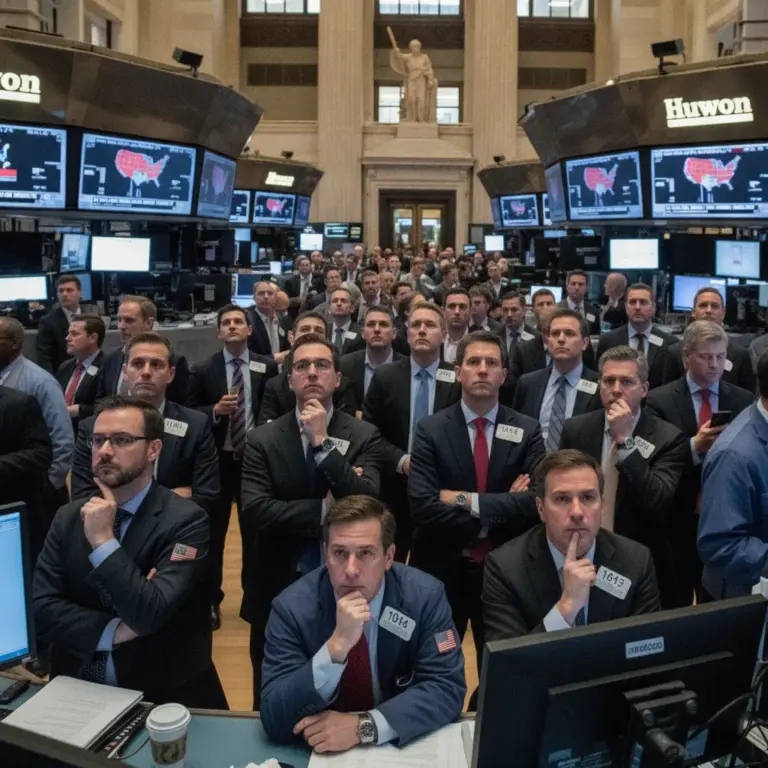
Wall Street is holding its breath tonight as voters head to the polls for midterms that could fundamentally reshape the economic landscape. With analysts suggesting a strong possibility that Democrats may reclaim control of Congress, investors are closely monitoring futures markets for early signs of how the shift in power will be priced into the opening bell. The uncertainty is creating a tense atmosphere across trading floors, where every precinct update is being scrutinized for potential policy pivots.

The high stakes are particularly evident in the technology sector, specifically among artificial intelligence stocks which have seen meteoric rises recently. Market watchers expect these AI giants, along with cryptocurrency assets and healthcare providers, to experience significant volatility depending on who holds the gavel. There is also intense focus on companies tied to prominent political figures, including Elon Musk’s Tesla and SpaceX, both of which often react sharply to changes in regulatory environments and federal leadership.

Beyond domestic politics, geopolitical tensions are adding another layer of risk to an already volatile evening. Recent threats from Donald Trump regarding intensified pressure on Iran have traders wary of sudden spikes in energy prices or broader instability in global trade routes. As journalists and financial experts track the incoming data, the primary question remains whether the market will view a change in congressional leadership as a stabilizing force or a catalyst for further turbulence.

Crypto investors are keeping a watchful eye on today’s midterm elections as the battle for control of Congress threatens to reshape the regulatory landscape for digital assets. With Republicans currently holding narrow majorities in both chambers, a shift toward Democratic control could stall critical market structure bills and introduce fresh uncertainty. This political tension arrives at a precarious moment for Bitcoin, which has seen four consecutive weekly losses and is currently trading around 77,000 dollars, well below its recent October peak.

The timing is particularly difficult following a historic blow to the industry. A massive security breach at Binance, allegedly orchestrated by North Korean hackers known as TraderTraitor, resulted in the theft of approximately 6.3 billion dollars in digital assets. The fallout from this heist triggered a sharp decline in Bitcoin’s price and prompted significant capital flight from major institutional vehicles, including the BlackRock iShares Bitcoin Trust, which saw hundreds of millions of dollars exit the fund in just a few days.

Industry analysts suggest that while a Democratic victory might spark immediate panic or short term selling pressure due to fears of regulatory delays, the long term trajectory of the market remains largely independent of Washington. Experts like Utkarsh Ahuja of Moon Pursuit Capital argue that institutional adoption and global liquidity are far more influential drivers than any single election cycle. Similarly, Ryan Kirkley of Global Settlement Network emphasizes that the fundamental utility of blockchain technology exists regardless of who holds power in Congress.

Ultimately, there is a growing consensus that not all cryptocurrencies will weather this political storm equally. While Bitcoin possesses an established institutional foundation that buffers it against volatility, smaller altcoins and companies dependent on specific legislative wins remain highly vulnerable. As voters head to the polls, the market appears to be separating projects with genuine economic value from those whose survival hinges entirely on a favorable nod from policymakers in D C.

In a landmark shift in drug policy, the Drug Enforcement Administration has begun issuing federal registrations to over 900 medical marijuana dispensaries across seven states. This first wave of approvals affects businesses in Alabama, Florida, Mississippi, South Dakota, Texas, Virginia, and West Virginia. The move follows an order from the Justice Department that places qualifying medical cannabis activities under Schedule III controls, effectively creating a formal federal bridge for operations that were previously caught in a legal gray area between state and national laws.

Attorney General Todd Blanche stated that bringing these regulated distributions into the federal fold will improve public safety and expand access for those seeking treatment for chronic pain. However, he made it clear that this transition is not a free pass for all operators. While registered dispensaries now have a recognized status, the government intends to continue aggressively prosecuting illegal trafficking and criminal enterprises that operate outside this strict new framework.

Getting a state license was not enough to secure this federal nod. To qualify, dispensaries had to apply within a tight sixty day window and prove that their business models align with federal law and international treaties. Registered entities must also adhere to rigorous federal standards regarding inventory control, recordkeeping, and physical security. Meanwhile, the DEA continues to review applications for manufacturers and distributors, which requires a more intensive process involving onsite facility inspections and production quotas.

Despite the progress for medical providers, recreational marijuana remains strictly prohibited under Schedule I controls. Financial analysts note that while some institutional investors are becoming more optimistic about the sector’s future, many are holding back until full regulatory reform occurs. For those watching the markets or the law books, the focus now shifts toward ongoing proceedings that could eventually determine whether adult use will be rescheduled on a national level.

While precious metals have recently experienced some volatility, Brien Lundin believes the fundamental drivers pushing gold higher remain firmly in place. Speaking at the New Orleans Investment Conference, the editor of Gold Newsletter explained that despite short term price corrections, a combination of skyrocketing government debt and weakening currencies creates a powerful tailwind for the metal. Lundin suggests that investors should view these periodic dips as buying opportunities within what he considers a broader bull market.

A primary catalyst for this trend is the aggressive accumulation of gold by central banks. Following the freeze of Russian assets after the invasion of Ukraine, many nations began questioning the safety of holding foreign currency reserves. Recent data supports this shift, showing a significant jump in official purchases throughout late 2024 and into early 2025. Beyond sovereign states, other institutional players like stablecoin issuer Tether have also entered the fray, diversifying their holdings away from traditional fiat systems toward hard assets.

The macroeconomic picture paints a challenging road ahead for developed economies, particularly the United States. With federal debt nearing forty trillion dollars and debt to GDP ratios climbing far beyond historical norms, Lundin argues that maintaining high interest rates may become unsustainable due to soaring service costs. In his view, heavily indebted nations will eventually be forced to devalue their currencies to manage these burdens, further enhancing the appeal of gold as a store of value during a potential monetary reset.

Looking forward, Lundin envisions two parallel commodity booms occurring simultaneously: one fueled by monetary instability favoring precious metals, and another driven by scarcity in industrial materials like copper and energy minerals used for green technology. While he avoids promising a specific timeline, he notes that if current trends mirror those of previous historic rallies, gold could see massive gains reaching between six thousand and eight thousand dollars per ounce over the long haul.

Multinational mining giant Gold Fields is moving closer to breaking ground on its ambitious Windfall gold project after receiving critical environmental clearance from the Quebec government. The provincial Ministry of the Environment issued a certificate of authorization following a rigorous review process that evaluated both the ecological and social impacts of the site. Located in the Eeyou Istchee James Bay region, about 115 kilometers east of Lebel sur Quévillon, the project represents a significant expansion for the company into northern Canada.

The path to approval involved years of meticulous study and community consultation, culminating in public hearings held earlier this spring in nearby towns. Central to the project’s success was the establishment of an impact and benefit agreement signed with the Cree First Nation of Waswanipi, the Cree Nation Government, and the Grand Council of the Crees. CEO Mike Fraser noted that these agreements underscore a commitment to responsible mining rooted in transparency and shared value for all stakeholders involved.

Once fully operational, the mine is projected to yield roughly 300,000 ounces of gold every year. However, Gold Fields believes there is even more untapped potential beneath the surface, with ongoing efforts to explore deeper deposits and extend mineralization across their vast land holdings in the area. This strategic growth fits into a broader global portfolio for the firm, which currently manages eight different mines spanning five continents.

With the regulatory hurdles largely cleared, Gold Fields is now shifting its focus toward a final investment decision regarding the scale and timing of construction. While some site operations and underground work will resume in phases immediately, shareholders can expect a definitive update on those financial plans by February 2027. For now, the company remains focused on transforming this remote stretch of Quebec wilderness into one of its newest production hubs.

Republicans are trailing Democrats in seven key Senate battlegrounds, including longtime GOP strongholds Texas and Kansas, according to a poll released Sunday, just days before the midterm elections.

The New York Times/Siena poll found Democratic candidates leading in five states currently represented by Republican senators — Alaska, Kansas, Maine, Ohio and Texas — while the race in Iowa is virtually tied. In Michigan, the only Democratic-held Senate seat surveyed, the party’s candidate holds a double-digit lead.

Don Levy, executive director of the Siena Research Institute, said the results suggest Democrats could capture control of the Senate, though he cautioned that several races remain within the poll’s margin of error.

SENATE CONTROL IS A COIN FLIP — AND DEMOCRATS’ PATH RUNS THROUGH TRUMP COUNTRY

“While a blue wave and Democratic control of the Senate is, according to our polls, a distinct possibility, with so many races within the poll’s total margin of error, a Senate majority for either party remains possible,” Levy said.

The findings are particularly striking in Texas, which has not elected a Democrat to the Senate since 1988, and Kansas, where Democrats have not won a Senate race since 1932.

In Texas, Democratic state lawmaker James Talarico leads Republican Attorney General Ken Paxton 50% to 43% among likely voters. In Kansas, Democrat Adam Hamilton leads Republican Sen. Roger Marshall 49% to 44%.

The poll also found former Democratic Sen. Sherrod Brown leading Republican Sen. Jon Husted in Ohio, 49% to 44%, while Democrat Troy Jackson leads Republican Sen. Susan Collins in Maine, 51% to 45%.

In Alaska, former Democratic Rep. Mary Peltola leads Republican Sen. Dan Sullivan 48% to 46%. Iowa is even closer, with Democrat Josh Turek edging Republican Rep. Ashley Hinson 48% to 47%.

In Michigan, Democrat Abdul El-Sayed holds the largest lead of the seven Senate races surveyed, leading Republican Mike Rogers 53% to 42%.

The poll also found signs of broader dissatisfaction with President Donald Trump and Republicans’ handling of the economy.

Just 38% of likely voters across the seven states approve of Trump’s job performance, according to the Times, despite Trump carrying five of those states by double-digit margins in the 2024 presidential election.

Democrats hold a nine-point advantage over Republicans on which party voters trust more to address the cost of living, with Democratic Senate candidates leading on the issue in all seven states.

The poll also found Democratic candidates leading among independent voters in every state surveyed.

VETERAN DEM OPERATIVE SAYS SUBPAR GOP CANDIDATES POISED TO HAND OVER SENATE MAJORITY

Democratic candidates improved their standing in six of the seven states compared with Times/Siena polls conducted in September. Alaska was the lone exception.

Still, the poll offered some encouraging signs for Republicans.

Voters who made their decisions within the past month favored Republican candidates by nine points, and several races remain within the margin of error.

The Times also noted that polling underestimated Collins in 2020, when she trailed in every survey before winning re-election comfortably.

Democrats must defend their existing Senate seats and flip at least four Republican-held seats to capture control of the chamber.

The surveys of likely voters were conducted from Oct. 23 through Nov. 1, with state-level margins of sampling error ranging from plus or minus 3.4 percentage points in Texas to 5 percentage points in Alaska.