
Archive

November 24, 2026

Browsing

In a stunning reversal that sent shockwaves through the global tech sector, Nvidia announced on Monday that Jensen Huang has been reinstated as chief executive officer effective immediately. The move comes after a tumultuous period that saw the chipmaker’s valuation plummet following reports of Huang’s resignation earlier this month. His departure had been triggered by allegations regarding several extramarital affairs, including a high profile relationship with a woman suspected of being a Chinese spy, which raised urgent concerns about potential national security breaches.

Investors reacted with immediate euphoria to the news, sending Nvidia shares skyrocketing by thirty three percent. This surge effectively erased the losses incurred since November when the scandal first broke and drove prices down. The board of directors stated that their unanimous decision followed extensive deliberations and crucial guidance from senior U.S. government officials, who indicated that Huang’s return posed no threat to national security and that no laws had been violated. President Donald Trump further bolstered the announcement, praising Huang as a national treasure and stating he had spoken with the CEO directly to ensure his continued dedication to the American economy.

Despite the celebratory mood on Wall Street and public support from figures like Elon Musk, the path forward remains fraught with political tension. Senator Elizabeth Warren criticized the reinstatement as reckless, arguing that neither Huang nor the board have provided sufficient answers regarding export control compliance and AI dominance. While Huang expressed deep humility and gratitude upon returning to lead what he called a new industrial revolution, he still faces upcoming closed door interviews with congressional committees this December to address the fallout of his brief exile.
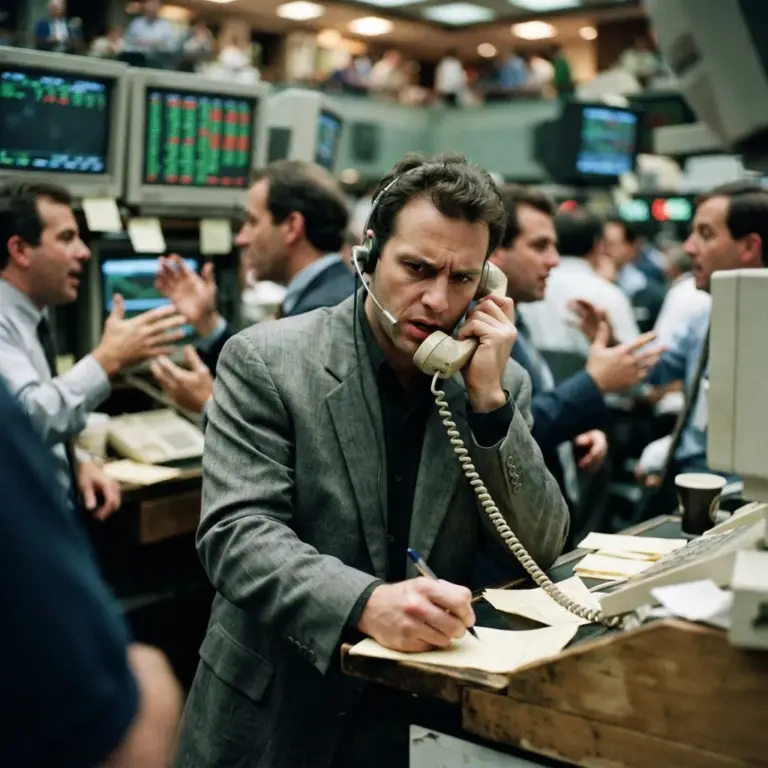
Investors showed surprising resilience today as one of the market’s most watched pharmaceutical players saw its shares climb despite a wave of negative pressure surrounding its primary revenue driver. While critics and regulatory whispers have cast doubt on the long term dominance of the company’s kingpin drug, traders seemed more interested in the firm’s broader balance sheet than the immediate noise. This unexpected surge suggests a growing confidence that the company can weather current controversies through strategic diversification.

The volatility comes at a time when competitors are aggressively vying for market share, attempting to chip away at the blockbuster medication’s stronghold. Analysts had predicted a sharp decline following several reports questioning the drug’s exclusivity and pricing stability. However, the stock managed to shrug off these concerns during mid day trading, signaling that institutional buyers may view the current dip as a buying opportunity rather than a fundamental flaw in the business model.

Market observers note that this kind of price action often indicates a disconnect between short term headlines and long term value projections. By ignoring the onslaught of criticism directed at its star product, the company has effectively signaled that its pipeline holds enough promise to offset any potential losses from its lead asset. Whether this optimism is justified remains to be seen, but for now, the momentum firmly favors those betting against the skeptics.

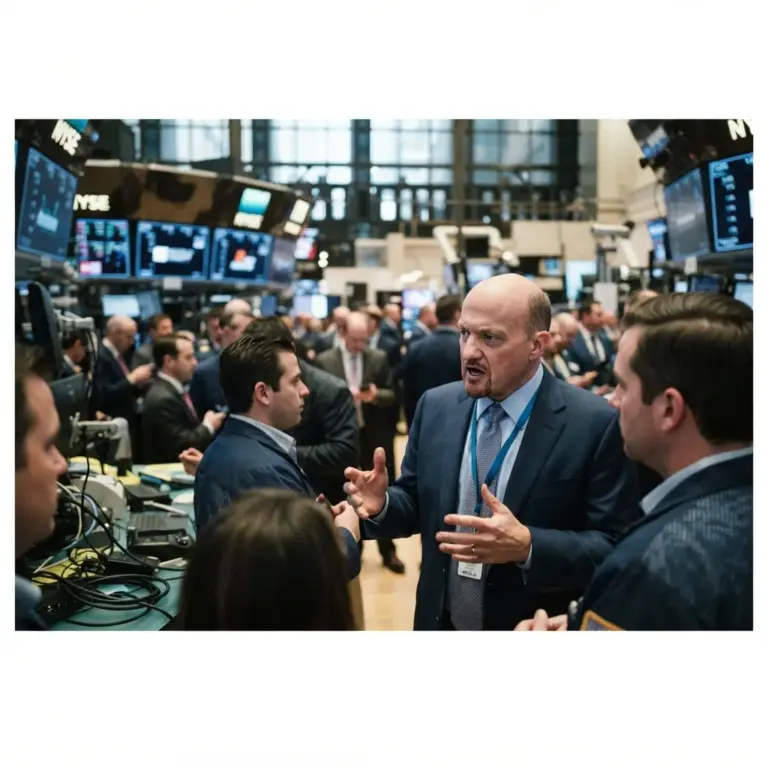
Investors are bracing for another volatile session as Jim Cramer outlines the primary drivers that will dictate market movement this coming Monday. While the broader indices have been wrestling with conflicting economic signals, the veteran analyst has narrowed his focus to ten critical areas he believes traders should monitor closely to navigate the opening bell.

The list reflects a mix of macroeconomic pressures and specific corporate catalysts that could trigger sudden swings in sentiment. Much of the attention remains fixed on interest rate expectations and upcoming inflation data, which continue to be the main levers moving prices across both growth and value sectors. Cramer suggests that watching these indicators will provide the necessary context for how individual stocks react during early trading hours.

Beyond the big picture numbers, there is a strong emphasis on earnings reports and sector specific shifts. From tech giants adjusting their guidance to energy fluctuations affecting industrial plays, these targeted movements often create ripple effects throughout the S&P 500. By isolating these key variables, investors can better understand whether a dip represents a buying opportunity or a warning sign of deeper instability.

As the weekend winds down, the consensus among analysts is that agility will be key for those operating in current conditions. Whether focusing on high yield dividends or speculative AI bets, following a structured checklist allows traders to avoid emotional reactions when volatility spikes. This strategic approach aims to turn potential chaos into actionable intelligence before the first trade is even placed.

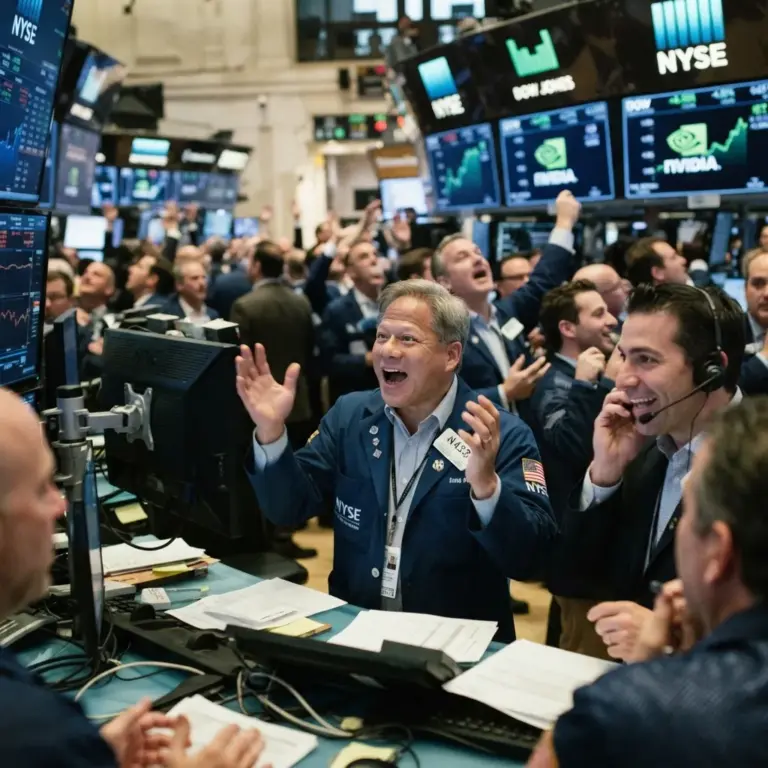
Wall Street experienced a massive surge of optimism on Monday as the Dow Jones Industrial Average climbed by an impressive 1,448 points, marking a three percent gain for the day. The primary catalyst behind this rally was the unexpected announcement that Nvidia’s board has unanimously voted to bring back Jensen Huang as chief executive. Investors reacted with immediate enthusiasm, sending tech stocks higher and fueling a broad market lift.

Nvidia’s resurgence acted as a tide that lifted several other boats across different sectors. Beyond the AI boom, Boeing saw its shares pop during the session, while Viking Holdings trended closer to a key buy point as travel interests strengthened. The general sentiment suggests that Huang’s return provides a sense of stability and strategic direction that traders had been craving within the semiconductor space.

However, the gains were not universal across the artificial intelligence landscape. While Nvidia soared, another prominent player in the field, Anthropic, struggled to keep pace and ended the trading day in negative territory. This divergence highlights a volatile environment where investors are becoming increasingly selective about which AI bets they trust moving forward.

As the markets close out this whirlwind session, analysts are keeping a close eye on how Huang intends to steer Nvidia through its next phase of growth. For now, the sheer scale of Monday’s climb indicates that confidence in his leadership remains absolute among those betting on the future of computing power.

For investors looking to capitalize on the artificial intelligence boom, the secret lies in identifying the infrastructure that makes the technology possible. While many chase flashy consumer apps, the real winners are often those providing the indispensable tools for chip design, manufacturing, and deployment. By focusing on companies that offer essential services to the global economy, patient investors can find assets that remain resilient even amidst broader market volatility.

At the very start of the pipeline is Cadence Design Systems, which provides the sophisticated software engineers need to blueprint and test chips before they ever hit a factory floor. With nearly eighty percent of its sales coming from recurring revenue and a massive backlog of billions of dollars, Cadence acts as a gatekeeper for innovation. Although integrating recent acquisitions may temporarily weigh on margins and its valuation carries a premium, its role in preventing costly design flaws makes it a cornerstone of any AI strategy.

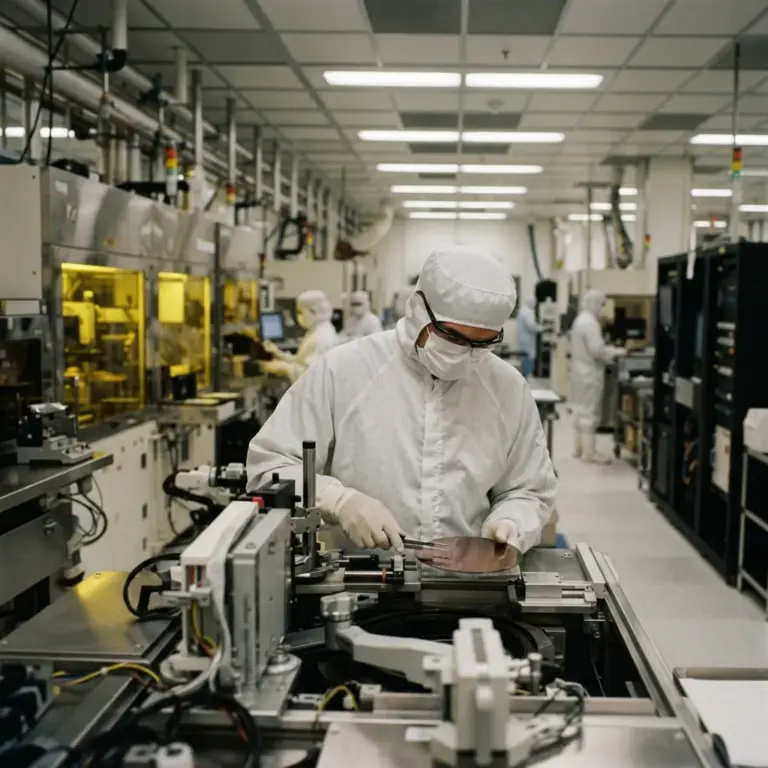
Once a chip is designed, it must be physically created using machinery provided by ASML Holding. This Dutch powerhouse holds a virtual monopoly on the extreme ultraviolet lithography systems required to print the most advanced circuits in existence. Demand currently far exceeds supply, and with major players like Intel and Samsung moving toward next generation hardware, ASML sits in a unique position of leverage. Despite potential risks involving trade restrictions or customer concentration in China, ASML remains an irreplaceable link in the semiconductor chain.

Finally, once these powerful chips are produced, they require massive scale to operate, which is where Microsoft enters the frame through its Azure cloud platform. Microsoft has successfully turned AI capacity into a rental business, seeing explosive growth in Azure revenue while finding clever ways to maximize efficiency across its processor fleets. While some critics worry about the staggering amount of capital expenditure required to maintain this lead, Microsoft’s deep integration into enterprise workflows ensures it stays central to how the world works. Together, these three firms represent different layers of a single machine, offering a comprehensive way to bet on an automated future heading into 2027.

Investors reacted with overwhelming enthusiasm on Monday as Nvidia announced the immediate reinstatement of Jensen Huang as president and CEO. The company’s stock price surged 34 percent following the news, effectively erasing most of the valuation losses triggered by a personal scandal that saw Huang step down just eleven days ago. The turmoil began on November 8 when Huang admitted to an extramarital affair with a woman whom U.S. officials linked to Chinese intelligence services, sending shockwaves through both the tech industry and Wall Street.

The board of directors reached a unanimous decision to bring Huang back after extensive deliberations and consultations with high ranking members of the United States government. In an official statement, Board Chair Harvey Jones emphasized that the leadership transition was in the best interest of shareholders and employees alike, noting that federal authorities provided assurances that Huang’s return poses no threat to national security. This move received public backing from President Donald Trump, who described the decision as correct and claimed via social media that Huang had done nothing wrong.

Despite the celebratory mood on trading floors, legal and regulatory clouds still hang over the chipmaker. An independent committee continues to investigate the matter, while a newly formed National Security and Export Control Committee works alongside a search for a new chief compliance officer. These internal probes follow troubling reports regarding Alice Huang, whose ties to China’s Ministry of State Security overlapped with periods where her firm purchased massive quantities of advanced Nvidia chips suspected of being smuggled into China.

While Colette Kress will remain CFO after serving as interim leader during the brief vacuum, Huang now faces a gauntlet of political scrutiny. He is still expected to participate in closed door interviews with several congressional panels starting December 1, including the House Foreign Affairs Committee. For now, however, investors seem focused on stability rather than controversy, welcoming back the visionary leader they credit with driving the global artificial intelligence boom.

Energy Fuels is preparing for a significant production push at its White Mesa mill in Utah, aiming to churn out approximately one million pounds of uranium between now and the first quarter of 2027. This strategic move is designed to satisfy existing utility contracts while the company transitions away from its aging Pinyon Plain mine in Arizona. To meet these targets, the company will draw from various sources, including ore from both Pinyon Plain and the La Sal Complex, along with other alternative feed materials. Once this specific uranium run concludes, the facility is slated to shift its focus back to processing rare earths using monazite currently held in inventory.

The financial outlook for the producer remains optimistic as it looks toward 2027, when it expects to sell over one million pounds of uranium under long term agreements. This represents a substantial increase compared to current yearly volumes. With spot prices hovering around ninety dollars per pound against relatively low production costs at Pinyon Plain, leadership has chosen to leave much of its production unhedged in anticipation of further price climbs in the global energy market.

Chief Executive Officer Ross Bhappu noted that because operations at Pinyon Plain are winding down, the company is aggressively developing a pipeline of replacement projects across the western United States. These include efforts at Whirlwind in Colorado and sites like Energy Queen and Bullfrog in Utah, alongside an in situ recovery operation at Nichols Ranch in Wyoming. Together, these ventures could potentially add more than a million pounds of annual capacity once they are fully operational and permitted.

Beyond uranium, Energy Fuels is diversifying its portfolio into high tech minerals and magnets through recent international acquisitions. By absorbing Australian Strategic Materials and eyeing a deal with magnet manufacturer Vacuumschmelze by early 2027, the firm is positioning itself as a broader player in the critical metals supply chain. Recent quarterly figures underscore this momentum, showing tens of millions in revenue driven largely by strong realized prices for their uranium sales.

The cryptocurrency market faced a challenging Friday as major assets tumbled alongside a broader selloff in tech and risk assets. Bitcoin dropped nearly six percent to trade around 61,749 dollars, while Ethereum and Solana saw similar declines of over six percent. This volatility has triggered more than 600 million dollars in liquidations, reflecting a wider trend of instability that has gripped both the digital asset space and gold markets over the last several weeks.

Adding to the tension, the Senate passed the DEATH BETS Act by voice vote, signaling a crackdown on prediction markets. The legislation aims to amend the Commodity Exchange Act to prevent registered exchanges from offering contracts based on terrorism, war, assassinations, or US military operations. Senator Adam Schiff and co-sponsor John Curtis argued that allowing people to profit from such tragedies is unethical and opens the door for insiders with sensitive military intelligence to manipulate markets for personal gain.

The move comes as prediction platforms like Kalshi and Polymarket face increasing scrutiny from regulators and courts. Recent controversies include accusations of insider trading regarding Iran-related predictions and a legal battle involving Maryland gaming regulators. The CFTC has already moved to restrict certain mention markets tied to political figures after a White House teleprompter operator allegedly made over 100,000 dollars betting on specific words used in presidential speeches.

Despite the regulatory headwinds and price dips, institutional interest in Bitcoin continues to climb. New data reveals that Wells Fargo has emerged as the largest institutional holder of US spot Bitcoin exchange-traded products, overtaking firms like Millennium Management. Overall institutional holdings have hit record highs, suggesting that while short-term traders are spooked by policy changes and market swings, large-scale financial entities are deepening their commitment to the asset class.

As we look toward 2027, the cleantech landscape is undergoing a fundamental transformation driven by an unlikely catalyst: the explosive rise of artificial intelligence. For years, the primary driver of green investment was the pursuit of ambitious climate targets, but that focus has pivoted toward raw supply security. A volatile geopolitical climate involving tensions between the US and Iran has rattled global supply chains and sent oil prices swinging, pushing many cautious investors into a wait and see posture. However, while general funding may feel stagnant, capital is flooding into AI infrastructure and data centers at an unprecedented rate, effectively rewriting the rulebook for energy investment.

This surge in demand is creating a dangerous bottleneck where digital ambition is colliding with physical reality. Governments in North America are scrambling to catch up, with Canada committing billions to double its grid capacity and the US deploying massive grants for transmission upgrades. Despite these efforts, experts warn that there is a widening gap between the money pouring into AI software and the actual electrical grid available to power it. Short term fixes like leased jet turbines are proving insufficient, leading analysts to predict a return to large scale central power plants. Interestingly, this crunch has revitalized interest in gas turbines, which are seeing record order books despite skyrocketing prices and delivery timelines stretching well into the next decade.

Because constraints often spark innovation, investors are now shifting their gaze toward efficiency and stability rather than just generation. Battery storage has emerged as a critical tool for data centers looking to balance their loads without crashing local grids. Similarly, constant baseload power sources like geothermal energy are gaining traction because they provide the twenty four hour reliability that intermittent wind and solar cannot offer alone. While nuclear energy once enjoyed similar hype, particularly regarding small modular reactors, recent cost overruns have left investors feeling skeptical and far more selective about where they place their bets.

There is also a growing concern regarding how concentrated this new wave of capital has become. A handful of massive investments exceeding one billion dollars each have dominated recent trends, leaving much of the broader cleantech ecosystem starved for attention. As we move closer to 2027, the industry must determine if it can diversify beyond these giant AI bets or if it will remain overly dependent on a single sector whose hunger for electricity might eventually outpace what the earth can physically provide.

Silver has once again proven why it is known as one of the most volatile assets in the commodities market. After an explosive start to the year that saw prices soar to a historic peak of over 120 dollars per ounce in January, the metal has experienced a sharp correction. Now trading around the 43 dollar mark, the sudden drop has left the industry divided between those who see a worrying downward trend and opportunistic investors looking for a bargain entry point.

The current instability was a primary focus at the recent Gold Advisor Network Summit, where experts and industry leaders gathered to discuss the implications for mining companies and exploration firms. Peter Krauth of Silver Stock Investor joined several executives to analyze whether this dip is a temporary setback or part of a larger shift in market sentiment. For many operators, these fluctuations create a challenging environment for planning long term capital expenditures and managing operational costs.

Executives from various stages of production shared their perspectives on navigating this turbulence. Representatives from companies including Silver North Resources, Prince Silver, Avino Silver and Gold Mines, and Pacifica Silver discussed how they are adapting their strategies to remain resilient despite the pricing swings. While higher prices provide an easy path to profitability, these lower levels test the efficiency and viability of projects across the sector.

Ultimately, the conversation among specialists suggests that while short term volatility can be jarring, the fundamental value of silver remains a key driver for explorers. As miners adjust their expectations to match current market realities, all eyes remain on whether silver can reclaim its earlier momentum or if it will settle into a more stable but modest range for the remainder of the year.