
Nvidia has officially confirmed its acquisition of Hugging Face for 12.9 billion dollars, marking the second largest purchase in the company’s history. While many view Nvidia primarily as a hardware powerhouse, this deal signals a calculated shift toward controlling the very environment where artificial intelligence is born and shared. By absorbing the New York based startup, which serves as the premier repository for open source AI models, Nvidia isn’t just buying a tool but securing some of the most valuable digital real estate in the entire industry.
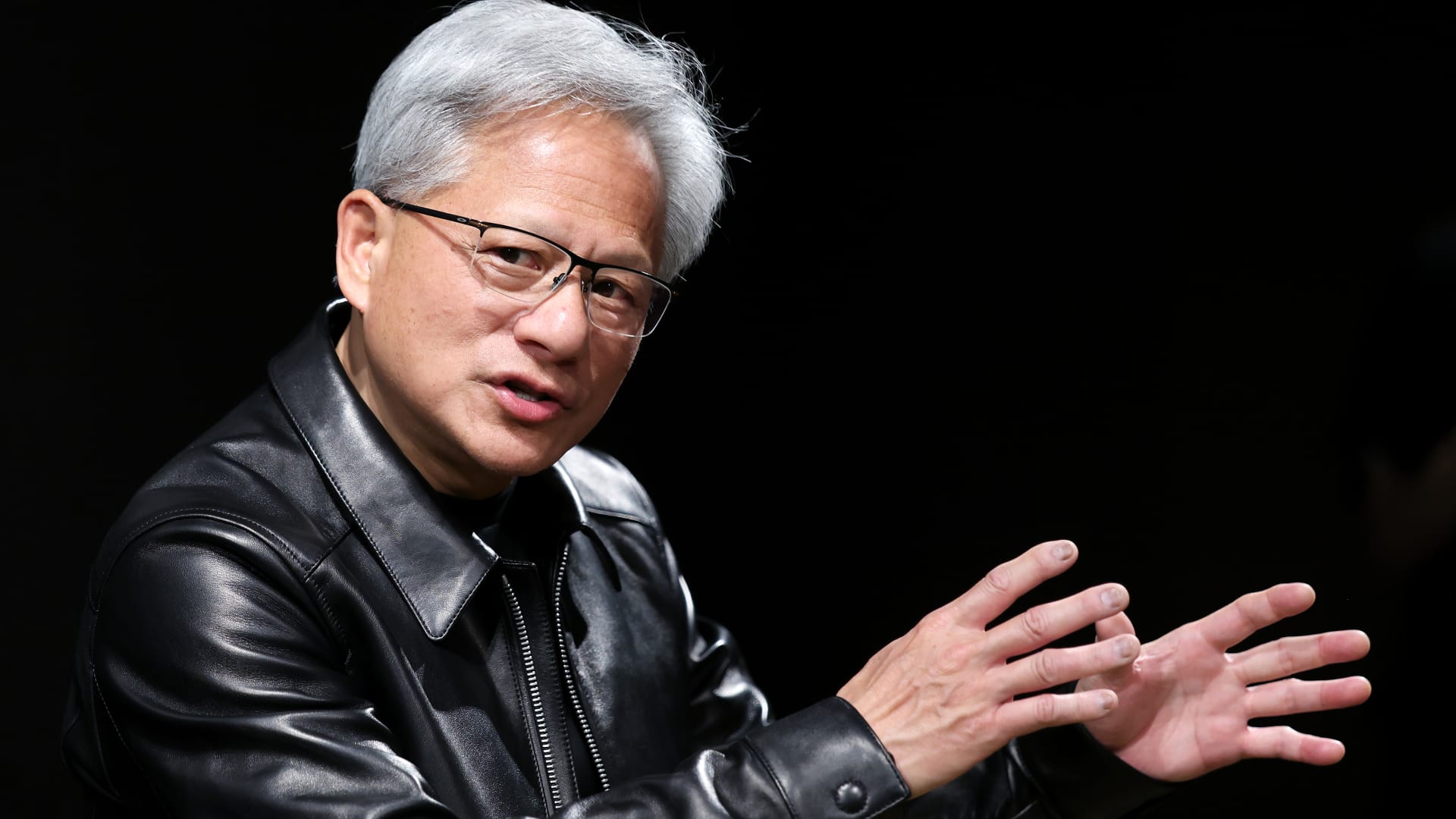
CEO Jensen Huang described the move as defensive during a recent appearance on CNBC, noting that high bidding wars were necessary to keep the platform away from competitors. Industry analysts suggest that if a rival like Google or another major AI lab had seized control of Hugging Face, they could have potentially throttled the growth of open source development to protect their own proprietary interests. In essence, Nvidia has stepped in to ensure that the ecosystem remains accessible, though now under its own corporate umbrella.
Beyond protecting the status quo, the acquisition provides Nvidia with an unprecedented window into how developers actually work. With over 18 million users and hundreds of thousands of companies utilizing its datasets and models, Hugging Face acts as a bellwether for upcoming trends. This gives Nvidia early visibility into which architectures are gaining traction and what customers prefer long before those insights reach mainstream headlines, allowing them to align their future chip designs with actual user behavior.
This strategy mirrors Microsoft’s landmark purchase of GitHub years ago, proving once again that owning the community hub is often more powerful than owning any single piece of software. As Nvidia continues to expand its influence across every layer of the AI stack, this latest move ensures they aren’t just providing the engines for the AI revolution but are also managing the map everyone uses to navigate it. When asked about who else tried to buy the company, Huang remained dismissive of his rivals, simply stating that it didn’t matter who bid so long as Nvidia won.


Comments are closed.