Archive

October 23, 2026

Browsing

Investors reacted sharply on Thursday as Meta reported a dip into negative free cash flow, sending the company’s stock tumbling by approximately six percent. While the social media powerhouse saw a healthy twenty six percent jump in quarterly revenue to sixty four point six billion dollars, those gains were overshadowed by an aggressive increase in spending. The company has raised its projected annual capital expenditures to between one hundred thirty five billion and one hundred forty five billion dollars, signaling a massive financial commitment to its artificial intelligence ambitions.

This surge in spending sparked immediate anxiety regarding the firm’s creditworthiness, pushing five year credit default swaps to record highs. With free cash flow hitting negative two point twelve billion dollars for the quarter, some market participants are questioning whether the current pace of investment can be sustained without compromising stability. To help navigate these growth costs while preserving Mark Zuckerberg’s control over the organization, Meta announced the creation of a new class of nonvoting common stock designed to provide additional financing flexibility.

Beyond the balance sheet, corporate filings revealed personal tensions involving Zuckerberg and potential changes to California tax laws. According to documents submitted to the SEC, there were concerns that a proposed wealth tax in California could have prompted the CEO to relocate due to multi billion dollar liabilities tied to his holdings. However, the company indicated that the newly implemented stock plan served as a key incentive for him to remain in the state despite those fiscal pressures.

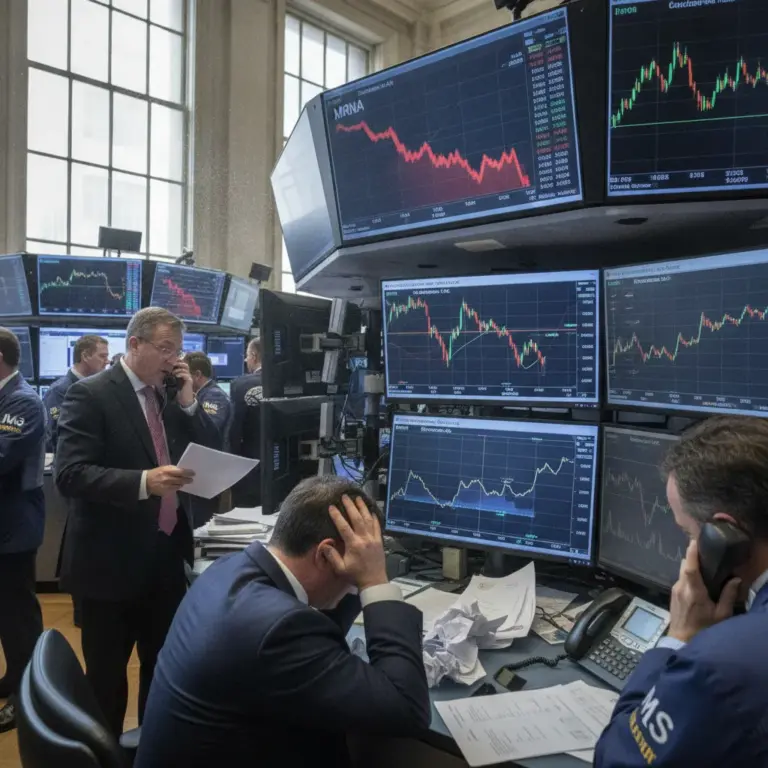
Moderna shares plummeted on Thursday following reports that confidential data regarding its highly anticipated cancer vaccine had been leaked by a third party. The sudden drop came just days before the company was scheduled to formally present its findings this coming Saturday at the European Society of Clinical Oncology Congress. Investors reacted swiftly to the unauthorized disclosure, sending the stock price sliding by twenty percent as uncertainty gripped the market over the actual results of the trial.

The experimental treatment, known as intismeran autogene, has been developed through a strategic partnership between Moderna and pharmaceutical giant Merck. While both companies have faced intense scrutiny and high expectations surrounding this specific project, neither organization provided an immediate response when contacted for comment regarding the leak or the validity of the disclosed information.

This volatility highlights the extreme sensitivity of biotech valuations to clinical data, where even a glimpse of preliminary numbers can trigger massive swings in investor confidence. With all eyes now turning toward the official presentation this weekend, shareholders are waiting to see if Merck and Moderna can stabilize the narrative or if the leaked data represents a fundamental setback for their oncology ambitions.

Investors reacted sharply on Thursday as Moderna shares plummeted up to 25 percent following an unauthorized leak of partial data regarding its highly anticipated cancer vaccine. The sudden selloff occurred even though the complete dataset, which was released shortly after the leak, actually outperformed many Wall Street expectations. Developed in partnership with Merck, the personalized treatment known as intismeran autogene aims to revolutionize how doctors approach melanoma.

The clinical findings revealed a significant leap in patient outcomes when the vaccine was paired with Merck’s immunotherapy drug, Keytruda. According to the data, the combination therapy reduced the risk of cancer recurrence or death by 42 percent compared to using Keytruda alone. Furthermore, there was a 38 percent reduction in the risk of cancer spreading to distant organs or resulting in death, marking what many experts consider a major step forward in oncology.

This volatility comes at a time when anticipation for Moderna’s pipeline has reached a fever pitch. The company’s stock had surged over 530 percent so far this year as investors bet on the firm diversifying beyond its famous Covid-19 shots into flu and RSV treatments. While Merck saw a minor dip of about 1 percent during Thursday’s trading session, both companies view this targeted vaccine as a potential blueprint for treating various other types of cancer in the future.

Despite the medical success, some logistical hurdles remain due to the bespoke nature of each dose. Currently, the complex manufacturing process takes roughly six weeks per patient. However, Merck CEO Robert Davis recently indicated that his team is working to streamline production timelines to ensure these life saving therapies can reach patients faster once they hit the market. Full details from the phase three trials are expected to be formally presented at the European Society for Medical Oncology conference this weekend.

Investors sent Spotify shares climbing ten percent on Thursday, pushing the stock to a ten month high after the company reported a stronger than expected surge in its subscriber base. The streaming leader reached 306 million premium subscribers during the September quarter, beating analyst predictions by one million and showing consistent growth across every region it operates in. This momentum is paired with a broader user base of 788 million monthly active users and revenue that climbed sixteen percent to five billion euros, signaling that the platform’s scale continues to accelerate despite a challenging economic climate.

Beyond the raw numbers, leadership highlighted a strategic pivot toward diversified audio content and cutting edge technology. Co CEOs Gustav Soderstrom and Alex Norstrom pointed to the massive success of video podcasts, which have seen consumption jump over 140 percent since launch. The company is also making an aggressive push into audiobooks, noting that these titles are nearly as popular as music in some markets like Sweden. With plans to expand audiobook access to 180 markets by the end of the year and a renewed deal with Joe Rogan, Spotify is positioning itself as a comprehensive audio hub rather than just a music app.

The company is leaning heavily into artificial intelligence to keep users engaged, introducing personalized taste profiles and a new integration with Metas Muse. These tools allow listeners to interact with an AI agent to curate deep dive playlists based on years of listening history or discover credits for specific performers. While embracing innovation, Spotify remains vigilant about quality control; executives revealed they have scrubbed millions of AI generated spam tracks from their recommendations over the last year to maintain the integrity of their discovery algorithms.

Financially, Spotify appears well positioned for long term stability thanks to low debt levels and a significant cash reserve, providing a safety net against volatile interest rates. Management expressed confidence in their ability to balance investment with cost moderation, guiding for another ten million net adds in the final quarter of the year. By diversifying into creators memberships and expanded partner programs across dozens of new markets, the firm believes it is building a compounding business model capable of thriving in what they call the agentic age of technology.

In a striking display of market divergence, shares of Nasdaq Inc. surged to an all time high on Thursday, proving that the house always wins even when the guests are losing. The exchange operator climbed into the prestigious Big Cap 20 list just as the very index it manages suffered a bruising decline. It is a rare moment where the platform providing the infrastructure for trading outperformed the collective value of the tech heavyweights it hosts.

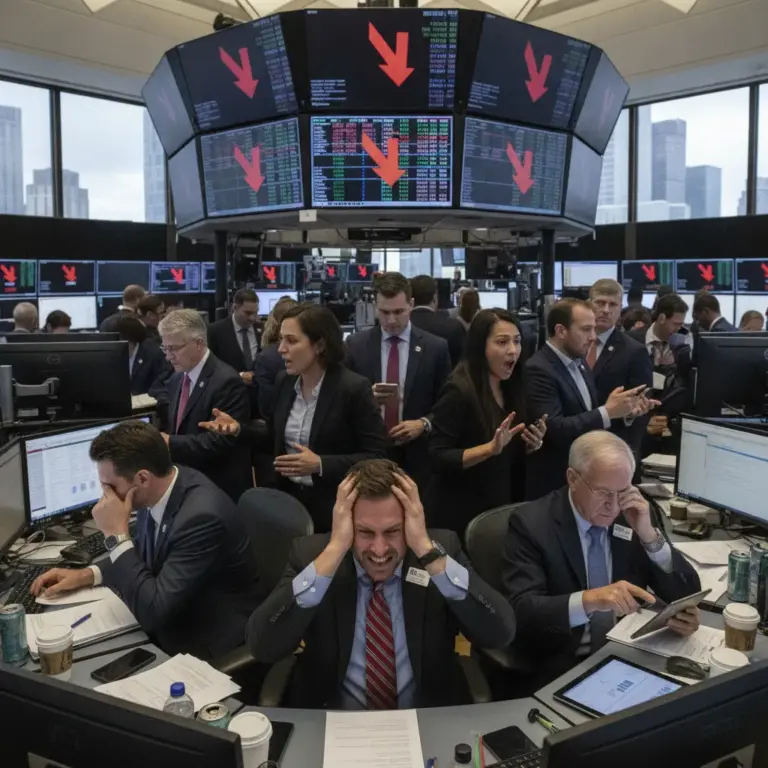
The broader Nasdaq composite plummeted by 2.6 percent during the session, marking its steepest drop since early June. This sharp downturn was largely fueled by growing investor anxiety regarding corporate spending habits. Wall Street is increasingly worried that companies are burning through cash too quickly in a desperate race to dominate emerging technologies, leading to a wave of selling across several key sectors.

Despite this turmoil among its constituents, Nasdaq’s own stock remained resilient and bullish. By hitting a record peak while its index crashed, the company highlighted a fundamental disconnect between current valuations of individual tech firms and the enduring value of the financial exchanges they trade upon. For now, investors seem more confident in the toll booth than in those passing through it.

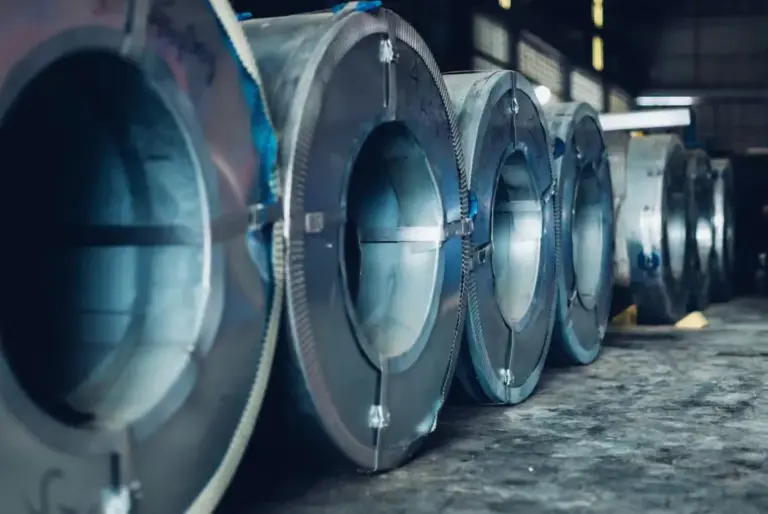
Nickel prices faced a challenging third quarter in 2026, sliding to fresh yearly lows as the market grappled with uncertainty surrounding supply controls in Indonesia. While the metal saw a brief recovery in July, those gains were quickly erased by a combination of rising exchange inventories and cooling demand for batteries. By mid-October, the three month contract on the London Metal Exchange hit a year to date bottom of 15,100 dollars per metric ton, marking a sharp decline from the levels seen at the start of the summer.

Much of this instability stems from Jakarta’s complex management of mining quotas. Earlier in the year, the Indonesian government set strict limits on nickel ore production to prop up prices, creating an artificial shortage for downstream smelters. However, throughout the third quarter, officials began selectively approving revised plans for several dozen companies to alleviate these shortages. This perceived softening of supply constraints, coupled with a surge in ore imports from the Philippines, has left investors wary that any attempt to maintain a price floor may be slipping.

Beyond supply logistics, shifting technology in the electric vehicle sector is weighing heavily on long term sentiment. While stainless steel consumption remains steady, nickel is increasingly losing its dominance in EV batteries to lithium iron phosphate chemistry. Even recent adjustments to Indonesia’s ore benchmark pricing, intended to lower taxes for miners and support margins for high pressure acid leach producers, have done little to stimulate new demand.

Looking ahead toward the end of the year and into 2027, analysts expect continued volatility. Producers are currently battling external pressures including constrained sulfur supplies due to geopolitical tensions in the Middle East, which have spiked operational costs for certain refineries. As investors turn their attention toward next year’s quota applications and potential changes to export controls, the market remains hypersensitive to every signal coming out of Indonesia.

Labor unrest is simmering near Logan Lake as workers at the Highland Valley Copper mine have overwhelmingly backed the possibility of a walkout. In a decisive move over the weekend, 944 members of United Steelworkers Local 7619 voted unanimously in favor of strike action. The workforce has been operating without a formal collective agreement since their previous five year contract lapsed at the end of September, leaving hundreds of employees in a state of contractual limbo.

The tension escalated quickly following the vote, with the union issuing a seventy two hour strike notice late Tuesday. Union representatives indicated that while Teck Resources offered a monetary counter proposal and removed one specific concession, the current offer still falls short of what they believe the membership deserves. This standoff mirrors a similar conflict from 2022, where a strike was narrowly avoided after months of deadlock and a last minute ratification vote in January.

For its part, Teck Resources insists it is dedicated to finding a resolution that works for everyone involved. Company spokesperson Dale Steeves stated that management remains committed to securing an agreement that is both fair and responsible, ensuring the long term viability of the operation and the surrounding community. As Canada’s largest open pit copper mine, any prolonged disruption would represent a significant hit to provincial production.

The timing of this dispute is particularly sensitive for Teck as it prepares to announce its third quarter financial results later this month. Beyond the local strife in British Columbia, the Vancouver based giant is currently navigating a massive proposed merger with Anglo American to form Anglo Teck. While that global deal aims for billions in savings and expanded mineral reach by 2027, the immediate focus remains on stabilizing relations with more than twelve hundred employees at Highland Valley.

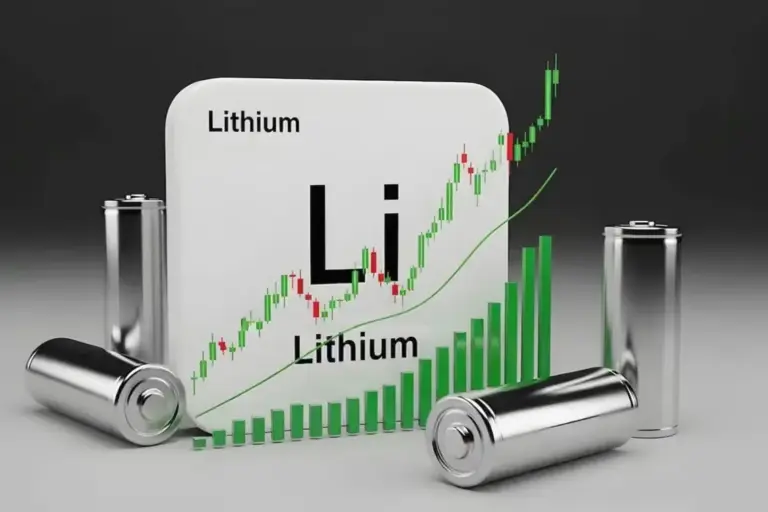
The race to electrify the globe is facing a daunting logistical hurdle, as latest figures suggest the world must open a new lithium mine roughly every two months for the next twenty four years just to stay ahead of demand. According to data from Benchmark Mineral Intelligence, global requirements for lithium carbonate equivalent are expected to soar from about 2.11 million metric tons in 2026 to a staggering 7 million by 2050. Meeting this gap would require the production capacity of approximately 134 new mines and an initial investment exceeding 100 billion dollars.

While electric vehicles continue to drive the bulk of this hunger for minerals, emerging technologies like artificial intelligence are adding fresh pressure. Data centers are increasingly relying on massive energy storage systems, creating a secondary stream of demand that is projected to nearly quintuple over the next decade. However, securing the necessary funding remains a volatile gamble. Cameron Perks, a product director at Benchmark, notes that investors often hesitate when prices swing wildly, forcing lithium developers to compete for capital against high profile sectors like defense and AI.

The geography of mining is also shifting as nations scramble for resource security. While Australia currently leads global supply, its market share is expected to dip as North America aggressively expands its own mining operations to reduce dependence on China. Europe faces similar ambitions but struggles with higher costs and stricter environmental regulations that can delay project timelines. This regional shift highlights a broader struggle to balance urgent industrial needs with local ecological and community concerns.

There is some hope that circular economy practices could ease this burden, with recycling potentially providing nearly half of the total lithium supply by mid century. If recycling scales effectively, it could significantly slash the number of new mines required and lower overall capital expenditures. Yet experts warn that recycling cannot be viewed as a magic bullet because it depends entirely on when old batteries actually reach their end of life; until then, any shortfall in recycled materials must be filled by digging deeper into the earth.

Wall Street is famous for its catchy mantras, from buying the dip to selling in May. However, seasoned traders often lean on a different piece of wisdom: when the VIX is high, it is time to buy. This philosophy mirrors the legendary advice of Warren Buffett, who encouraged investors to be greedy when others are fearful. The logic suggests that once market terror reaches a fever pitch, stocks often trade at deep discounts, creating a prime opportunity for those brave enough to enter the fray.

At its core, the VIX is shorthand for the Volatility Index of the Chicago Board Options Exchange. Since its inception in 1993 and subsequent update in 2003, it has served as a barometer for expected volatility over the next thirty days. By analyzing the prices of S&P 500 index options—contracts that allow traders to bet on future price movements—the VIX provides a real-time snapshot of investor sentiment. Because it reflects the perceived risk of the broader U.S. equity market, it has earned the nickname of the fear index.

The relationship between the VIX and the stock market is generally inverse. When stock prices plummet and uncertainty rises, the VIX typically spikes, signaling that investors are bracing for turbulence. Conversely, a falling VIX often hints at returning confidence or an impending rally. While not a crystal ball, these fluctuations offer critical clues about whether market participants feel optimistic or panicked about the immediate future.

In terms of numbers, a stable investment environment usually sees the VIX hovering between 12 and 20. Values below 12 indicate extreme bullishness and optimism, while anything above 20 signals abnormally high volatility. When the index pushes past 30, it frequently marks a bear market characterized by severe risk aversion. History shows us just how dramatic these swings can be; for instance, during the depths of the COVID-19 pandemic in March 2020, the index soared to an all-time high of 82.69 as global markets spiraled into chaos.

Sen. Roger Marshall, R-Kan., and Democratic challenger Adam Hamilton sparred over President Donald Trump, immigration, Iran, transgender athletes, artificial intelligence and personal controversies during a contentious Kansas Senate debate Wednesday night.

The hourlong showdown came less than two weeks before Election Day as Marshall seeks a second term and Hamilton, a longtime pastor, tries to become the first Democrat elected to the U.S. Senate from Kansas since 1932.

The race has drawn increased national attention as Republicans and Democrats battle for control of the Senate, with Trump traveling to Kansas earlier this week to campaign for Marshall — a topic touched on during the debate.

Here are five moments that stood out from Wednesday night’s debate.

SLEEPER SENATE RACE EMERGES AS UNEXPECTED HEADACHE FOR REPUBLICANS AHEAD OF MIDTERMS

Debate opens with candidates confronted over personal controversies

The debate wasted little time getting contentious, opening with questions about controversies that have fueled attacks against both candidates.

Marshall was confronted with a New York Times review that found his former medical practice sued more than 700 patients over unpaid bills.

“Every year we gave away $3 to $4 million of charity, but we also had a business,” Marshall responded. “We had 300 employees, we had a mortgage payment, we had electric.”

Hamilton, meanwhile, was questioned about his handling of allegations involving a volunteer at his church’s summer camp who was accused of sexual abuse.

Hamilton acknowledged that he should have ensured the individual did not return to the camp following an initial investigation.

FROM ‘THIRD REICH’ TO ‘NOT THAT INFORMED’: SENATE DEBATES DELIVER FIREWORKS BEFORE MIDTERMS

“I should have checked to make sure that he wasn’t going back,” Hamilton said. “That was a mistake on my part.”

Marshall says ‘President Trump is not always right’

Trump became part of the debate after moderators played footage from the president’s campaign appearance for Marshall in Kansas earlier in the week.

“And at this election, I’m asking you to pretend, please, that I’m on the ballot. Just pretend,” Trump told the crowd.

Marshall was then asked whether Trump’s support meant Kansans should expect him to back every part of the president’s agenda.

“No,” Marshall responded, saying there had been “multiple times” when he objected to Trump.

Pressed to identify a specific disagreement, Marshall pointed to recent immigration enforcement in southwest Kansas and Trump’s approach to beef imports.

“Just like with my wife, I can disagree with her. My wife is always right,” Marshall joked. “And President Trump is not always right.”

Marshall nevertheless urged Trump voters to turn out for him, arguing that electing Hamilton could help Democrats capture the Senate.

Both candidates say there are ‘two genders’

The two rivals found themselves in agreement when the moderator asked each candidate how many genders there are.

“There’s two. There’s a boy and there’s a girl,” Marshall said. “I delivered 5,000 of them and almost half were boys and half were girls.”

“There are two genders, male and female,” Hamilton responded.

TOP TAKEAWAYS FROM JD VANCE TOWN HALL: COSTLY GAS, DC CORRUPTION, IMMIGRATION HOT TAKES AND THE WAR

Marshall advocated a “light touch” approach focused on national security, transparency, protecting children and privacy, while slamming a one-size-fits-all global order for artificial intelligence advancement.

Hamilton pushed back sharply.

“This is an existential — potential existential threat to the human race,” Hamilton said. “We can’t just go with a light touch and hope everybody does their best.”

BIDEN CONSPICUOUSLY ABSENT FROM CAMPAIGN TRAIL AS OBAMA, HARRIS STEP UP FOR MIDTERM PUSH

Hamilton calls Biden’s border policies a ‘disaster’

Hamilton sought to put distance between himself and former President Joe Biden when moderators challenged the Democrat over his claim that he would “lead from the middle.”

The moderator pointed to Hamilton’s past donations to Democrats, including Biden, former Vice President Kamala Harris and Rep. Sharice Davids, D-Kan., before asking him to identify a progressive policy he opposed.

“The Biden policies when it came to the border were a disaster,” Hamilton responded. “I believe in strong and secure borders.”

“I’m not somebody who favors the Socialist Party,” Hamilton added. “I’m somebody who stands in the middle.”

Hamilton also reiterated during the debate that he would not support Senate Minority Leader Chuck Schumer for majority leader if Democrats capture control of the chamber.

This post appeared first on https://www.foxnews.com