
Archive

October 25, 2026

Browsing

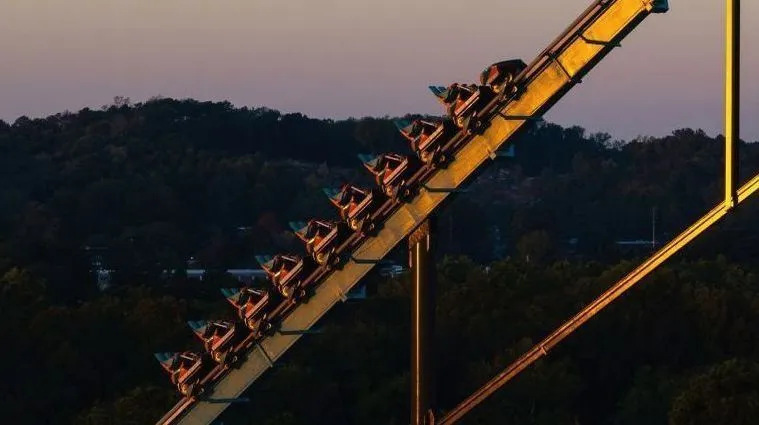
Six Flags is preparing to overhaul the restraint systems on its Goliath roller coaster and several other similar attractions following a horrific accident that claimed the life of an Atlanta man. The decision comes after Hassan Jihad Ibn Kariem, a forty two year old community member, fell from the ride at Six Flags Over Georgia on October twelve. While the massive coaster reaches speeds of seventy miles per hour and towers two hundred feet in the air, it previously relied on waist restraints without shoulder harnesses or seat belts. Now, leadership says those belts will become a standard requirement before the ride returns to service.

The tragedy left multiple bystanders shaken and resulted in injuries to four minors. Witnesses described a chaotic scene as carts returned to the station with empty seats and passengers in distress, with some reporting that safety bars appeared loose during the ordeal. State authorities and local police are currently conducting a deep dive into the incident to determine if all safety protocols were followed. This investigation coincides with reports suggesting previous maintenance needs on the ride’s vibration reducing components, though official state inspections had cleared the attraction just months prior.

John Reilly, the president and CEO of Six Flags, emphasized that guest safety is fundamental to their operations while acknowledging that trust must be rebuilt through concrete actions rather than promises. To ensure higher standards moving forward, the company has brought in independent engineers and specialized inspectors to audit safety procedures throughout its network of parks. Beyond Goliath, eight other rides across five different locations remain shuttered as part of this precautionary review process.

While much of the company’s vast portfolio of over two hundred coasters continues to run daily, these specific closures signal a shift toward more rigorous hardware redundancies. Park officials maintained that their staff undergoes extensive training and supervision, yet they admit that evolving their physical restraint systems is a necessary step in preventing future accidents. For now, Goliath remains offline as investigators sift through evidence and technical data to pinpoint exactly why such a catastrophic failure occurred.

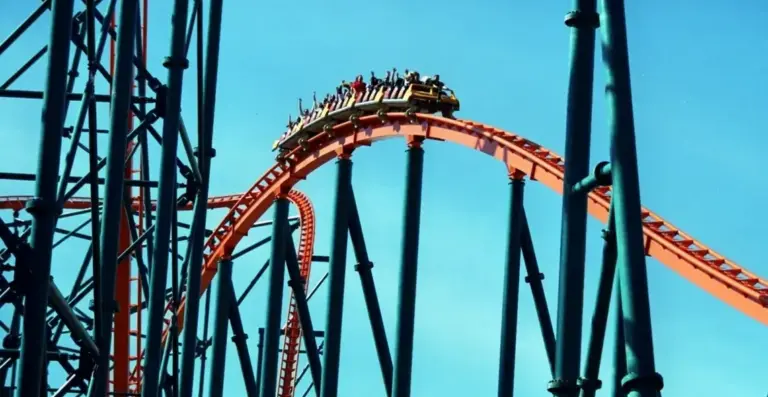
While robotaxis and autonomous cars increasingly navigate the streets of American cities, the country’s mass transit systems remain stubbornly tethered to human operators. For decades, the United States has lagged significantly behind global peers in Europe, Asia, and South America, where driverless metros are often the standard rather than the exception. This disparity has led some experts to suggest that public transit has become a graveyard for innovation, where cautious bureaucracy and old fears stifle technological progress.

Recent moves in Washington, D.C., and Los Angeles signal a potential shift toward modernization. Officials in the nation’s capital are advancing a nearly one billion dollar plan to eventually remove drivers from the Red Line by 2033, while Los Angeles is exploring a completely automated underground route through the Santa Monica Mountains. These ambitions follow the example set by Honolulu’s Skyline system, which currently stands as one of the most expansive automated networks in the country and boasts a clean safety record since its opening three years ago.

The path to automation has not been smooth, largely due to a haunting history of failure. A fatal 2009 collision on D.C.’s Metro system paralyzed automation efforts for years after investigators linked a crash to failures in an automated signaling system. Public sector projects lack the appetite for risk seen in private ventures like SpaceX; whereas a rocket explosion is viewed as part of development, any flaw in government-run transit can result in immediate political fallout and systemic freezes.

Despite these advancements, opposition remains fierce among labor unions who view driverless trains as both a threat to jobs and a danger to passengers. Critics argue that removing humans from cabs leaves riders vulnerable during emergency evacuations on dangerous third rails. However, proponents argue that eliminating human error actually increases safety by preventing mistakes like premature departures. As these high stakes projects move forward, they may either cement America’s hesitation or finally open the floodgates for a digital revolution on the rails.

Six Flags announced on Friday that it will install seat belts on its Goliath roller coaster at the Georgia park near Atlanta after a tragic accident claimed the life of a local man. Hassan Jihad Ibn Kariem, 42, who served as an educator at Wesley International Academy within the Atlanta Public Schools district, was ejected from the ride on October 12. Witnesses reported a harrowing scene where Kariem struck other passengers during his fall before ultimately landing on the roof of a nearby haunted house attraction.

In response to the tragedy, Six Flags President and CEO John Reilly issued a statement acknowledging that trust must be earned through action rather than words. He emphasized that he takes personal responsibility for the company’s safety standards and promised ongoing transparency regarding their progress. As part of this commitment, the company has hired independent engineers and specialized inspectors to conduct a comprehensive safety review of every single ride and attraction across their entire global portfolio.

While over 200 roller coasters remain open, several high profile rides have been shut down out of an abundance of caution. These closures extend beyond Georgia to include various parks such as Six Flags Magic Mountain, Canada’s Wonderland, and Kings Island. While the company has provided a list of affected rides including Fury 325 and Leviathan, they have not yet specified when these attractions will be cleared to reopen to the public.

This latest incident adds to a mounting series of legal and safety challenges for the entertainment giant. Just last month, the company faced lawsuits from guests claiming they suffered brain injuries while riding X2 at Magic Mountain, a thrill ride known for its intense rotating seats and steep drops. By implementing mandatory seat belts on Goliath and auditing their fleet, Six Flags hopes to address growing concerns about rider security across its network of theme parks.

American families are rethinking their Halloween hauls this year as a combination of skyrocketing cocoa prices and rising living costs creates a bitter taste for shoppers. Recent data from NielsenIQ shows that candy sales dropped 6.7 percent in the month leading up to October 17, marking a significant departure from the early shopping surges seen in previous years. This slump follows a steep decline in mid-September, suggesting that consumers are feeling the pinch long before the first costumes come out of storage.

Industry experts point toward a perfect storm of economic pressures, noting that high gas prices and housing costs have left many households with little room in their budgets for seasonal luxuries. Chris Costagli, a vice president at NielsenIQ, suggests that it isn’t just about noticing a price hike on the shelf; rather, many people simply lack the financial means to purchase treats after paying for essential needs. This shift is most evident in bag sizes, where large and extra-large packs are seeing sharp declines while small bags remain the only category showing any growth.

The cost of indulgence has climbed far faster than general inflation over the last five years, with candy and gum prices jumping 44 percent. A primary driver is the volatility of global cocoa markets, where poor weather in West Africa—which produces the lion’s share of the world’s supply—and geopolitical disruptions affecting fertilizers have sent prices soaring. To put this into perspective, some variety packs currently retailing around twenty dollars would have provided nearly double the amount of chocolate just five years ago.

Despite these hurdles, some analysts believe there is still hope for a late-season recovery. Sally Lyons Wyatt of Circana notes that shoppers have become more intentional, often making smaller trips to the store and buying items immediately before they need them. While non-chocolate options like gummies have actually dipped slightly in price without sparking a major surge in sales, industry groups like the National Confectioners Association remain optimistic that enthusiast buyers will step up as the holiday draws nearer.

Security teams spent this past week in a frantic race against time as they rushed to patch a series of PHP vulnerabilities known as PHP2Shell. While millions of exploitation attempts flooded networks almost immediately after the flaws became public, the real story lies in how those attacks were formulated. According to data from Cloudflare, the speed and volume of these attempts suggest that criminals are increasingly leaning on artificial intelligence to weaponize code gaps faster than ever before.

What makes this particular incident unsettling is that some of these flaws had existed for years, dismissed by developers as too complex for any human hacker to actually leverage. That changed when researchers at companies like Calif and Wiz used frontier AI models to bridge the gap between a theoretical bug and a practical exploit. By combining machine learning with deep human expertise, they turned dormant architectural weaknesses into active threats, proving that AI can breathe new life into ancient security holes.

This shift places immense pressure on already stretched IT departments and system administrators who must now defend against automated tools capable of analyzing vast amounts of legacy code in seconds. The scale of the problem is evident in recent industry trends, such as Microsoft releasing thousands of security fixes in a single month or major banks hiring armies of consultants to plug leaks found by AI agents. We are entering an era where software cannot be considered safe just because a bug is difficult to trigger manually.

Despite the alarm, seasoned experts suggest there may be a limit to this trend. Former NSA hacker Jake Williams notes that while we might see more old bugs resurface, there is only so much low hanging fruit available across the broader digital landscape. Furthermore, high level discoveries still require significant human guidance; AI cannot simply find every bug via a few prompts. For now, it seems AI acts less like an independent predator and more like a powerful lens that allows skilled hunters to see things they previously missed.