
Archive

November 19, 2026

Browsing

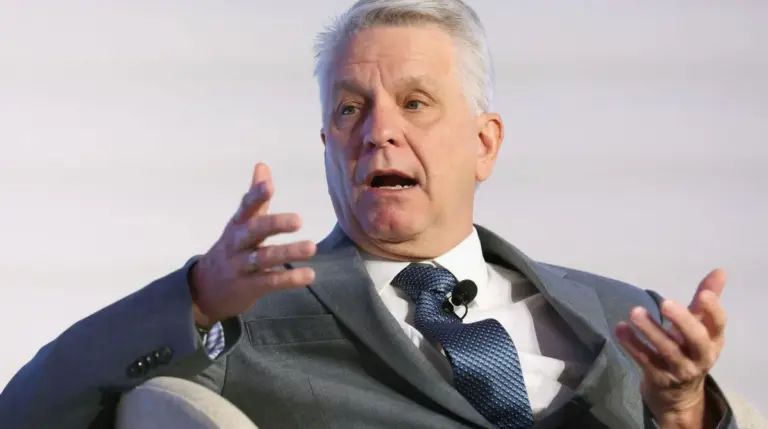
The United States has been rocked by a series of disruptive technology failures recently, ranging from grounded flights to frozen bank accounts, leaving many to wonder if these glitches are mere accidents or something more sinister. While government officials insist there is no evidence of foul play, some experts believe the chaos reveals dangerous cracks in the foundation of the country’s most vital systems. Dr. Ram Dantu, the founding director of the Center for Cyber and AI Security at the University of North Texas, warns that these events could be providing a roadmap for foreign adversaries looking for ways to dismantle American infrastructure.

Dr. Dantu noted that while network congestion or simple software bugs often cause such outages, it is impossible to rule out a calculated cyberattack entirely. He explained that sophisticated malicious software can sit dormant within a network for months or even years, spreading silently until an external actor decides to activate it remotely. This stealthy approach makes it difficult to distinguish between a routine technical failure and a targeted strike designed to cripple power grids, water supplies, or telecommunications networks.

Adding to his suspicion is the peculiar timing of some of these disruptions. According to Dantu, standard engineering practice dictates that major system upgrades happen overnight or in phased stages to avoid peak usage hours. Seeing critical updates occur in the middle of the business day struck him as highly unusual and potentially indicative of deeper issues beyond simple maintenance errors. For him, every public failure acts as a signal to enemies abroad about where the U.S. is most vulnerable.

Despite these warnings, top administration officials remain confident that the situation is under control. Secretary of State Marco Rubio stated clearly that federal investigators have found absolutely no evidence linking these separate incidents or connecting them to any foreign hacking group_or hostile government. Director of National Intelligence Jay Clayton echoed this sentiment, suggesting that typical security patches and routine upgrades are far more likely culprits than a coordinated campaign of digital warfare.

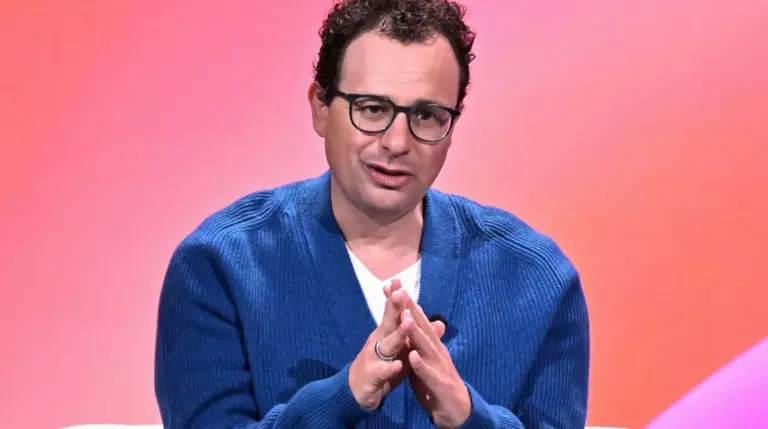
Hims and Hers is expanding its footprint into the world of biohacking with the launch of its Peptides plus platform, offering five different compounded formulations designed for everything from muscle recovery to anti aging. The move comes amid a surge in popularity for these short chains of amino acids among fitness enthusiasts seeking an edge in performance and longevity. However, the company paired its ambitious rollout with a candid admission that it still has much to learn regarding the optimal usage and overall effectiveness of these treatments.

None of the new offerings have received official approval from the Food and Drug Administration, though the company maintains they are legally authorized and produced by licensed pharmacies following strict quality standards. The current lineup includes substances like sermorelin and NAD plus, alongside vitamin B 12 and L carnitine. Looking ahead, the brand plans to introduce further unapproved peptides such as BPC 157 and TB 500, despite the fact that much of the existing research on those specific compounds has been limited to animal studies rather than human trials.

To manage the risks associated with these unregulated treatments, Hims says customers must first undergo a health assessment with a licensed provider to create a personalized plan. Chief Medical Officer Dr. Anant Vinjamoori acknowledged that the industry lacks the traditional volume of data usually required for such compounds but suggested that a company of their scale has a responsibility to lead the way in gathering that information. This perspective is echoed by board member Andrew Huberman, who views these treatments as legitimate medicine rather than mere trends when backed by physician oversight.

Not everyone is convinced that telehealth is the right venue for these experiments. Some academic experts warn that relying on anecdotal success stories instead of rigorous clinical trials is dangerous, noting that without standardized testing, proper dosing remains largely guesswork. Critics argue that introducing synthetic peptides into the body without deep scientific backing could trigger adverse immune responses or unforeseen long term complications, leaving patients in a regulatory gray area where safety profiles remain unknown.

Anthropic is weighing an increase to its initial public offering as appetite for the AI powerhouse reaches staggering levels. Sources indicate that institutional demand has hit approximately 400 billion dollars, while retail interest is nearing another 100 billion. This overwhelming surge suggests the company may set its final pricing well above the previously suggested range of 70 to 78 dollars per share, potentially pushing the valuation into uncharted territory for the artificial intelligence sector.

The scale of this anticipation puts Anthropic in direct competition with some of the largest financial events in history. Early indicators suggest investor enthusiasm could eclipse even the record breaking debut of SpaceX, which raised nearly 86 billion dollars when it listed on the Nasdaq in June. While these figures represent nonbinding indications of interest rather than guaranteed buys, they signal a profound belief in the long term viability of Anthropic’s flagship model, Claude, and its expanding footprint in the enterprise market.

Despite the hype, the path to going public comes amid a volatile backdrop for Silicon Valley. The broader AI industry has recently weathered political headwinds and leadership shakeups at key players like Nvidia. Furthermore, Anthropic’s own financials reveal a complex picture characterized by explosive growth and massive spending. While revenues surged by roughly 1,200 percent over a nine month period reaching over 33 billion dollars, the company continues to report substantial losses as it races to build out the infrastructure necessary to compete with giants like OpenAI and Google.

As CEO Dario Amodei leads his firm toward this milestone, he remains focused on balancing rapid commercial expansion with rigorous safety standards. Having split from OpenAI years ago to prioritize a cautious approach to AI development, Amodei views the IPO not just as a capital raise but as a way to fund what he describes as an age of miracles for humanity. With backing from titans such as Amazon and Google, Anthropic’s performance on opening day will serve as a critical litmus test for how Wall Street values high growth AI labs in an era of economic uncertainty.

Federal Reserve Governor Christopher Waller is calling for a sharp pivot in monetary policy to combat stubborn inflation, suggesting that the central bank may need to shock the public with a larger than expected interest rate hike. Speaking in an interview with CNBC, Waller expressed deep concern over price trends moving in the wrong direction and spreading across the economy. He indicated that a half percentage point increase at the upcoming December meeting could be necessary to regain control over rising costs.

The governor believes the time for caution has passed, arguing that the Fed must first undo three previous rate cuts implemented last year. According to Waller, simply returning to previous levels may not be enough because those rates failed to curb inflation effectively during the summer of 2025. With energy prices spiking following geopolitical tensions and tariffs continuing to weigh on the market, he suggests that several aggressive moves beyond just reversing prior cuts might be required to steer inflation back toward the two percent target.

This hawkish stance puts Waller at odds with some of his colleagues who prefer a more measured approach. New York Fed President John Williams recently pushed back against the idea of dramatic action, stating that current strategies are working well through careful data analysis. Similarly, other regional presidents have advocated for gradual tightening rather than sudden shocks to the financial system. This internal divide highlights a growing tension within the Federal Open Market Committee as they grapple with persistent economic volatility.

Market expectations currently lean toward a smaller quarter point hike in December, but Waller warns that without clear signaling about future moves in January, a bolder step now is essential. While some officials remain hopeful that patience will prevail, others like St. Louis Fed President Alberto Musalem see a longer road ahead involving multiple hikes stretching into early 2027. Investors are now closely watching for any sign that Waller’s preference for aggression will win over the rest of the committee.

Interim CEO Colette Kress stepped onto the stage in Santa Clara this Wednesday to deliver a clear message to her workforce: it is time to move forward. In the company’s first all-hands meeting following the resignation of legendary founder Jensen Huang, Kress sought to project stability and momentum. Flanked by board chair Harvey Jones and other top executives, she focused on practical wins, announcing that annual reviews and associated pay raises and stock grants would be accelerated from March to December. While she characterized the most recent quarterly earnings as a great success, the atmosphere inside the room appeared far more complicated than the official corporate narrative suggests.

Despite the optimistic tone from the podium, a palpable longing for Huang persists among the rank and file. According to attendees, some employees are openly campaigning for his return via social media, while at least one senior staff member warned the board that irreplaceable talent could flee if Huang isn’t reinstated. This internal unrest coincides with a public tug-of-war between current management and their predecessor; just a day prior to the meeting, Huang signaled he was ready to step back into the role if invited. However, Board Chair Harvey Jones remained firm during a recent earnings call, stating that the board unanimously accepted the resignation and has no intention of reversing course.

The tension within Nvidia extends beyond just the employees, reaching deep into its own executive ranks. Some insiders have questioned why Jones made such a definitive statement regarding Huang’s permanent departure while certain investigations remain ongoing. Adding to the friction was a notable shift in tradition; whereas Huang historically used these gatherings to engage directly with staff through Q&A sessions, Wednesday’s presentation was strictly one-way communication with no opportunity for employee questions.

As Nvidia navigates this identity crisis, it does so against a backdrop of market volatility with shares sliding significantly from their peak over the last year. Although third-quarter earnings beat Wall Street expectations and suggested continued growth, investors and employees alike seem wary of whether any leader can fill the void left by Huang’s absence. For now, Kress is attempting to bridge that gap with financial incentives and calls for unity, but the shadow of the founder continues to loom large over everything happening in Santa Clara.