
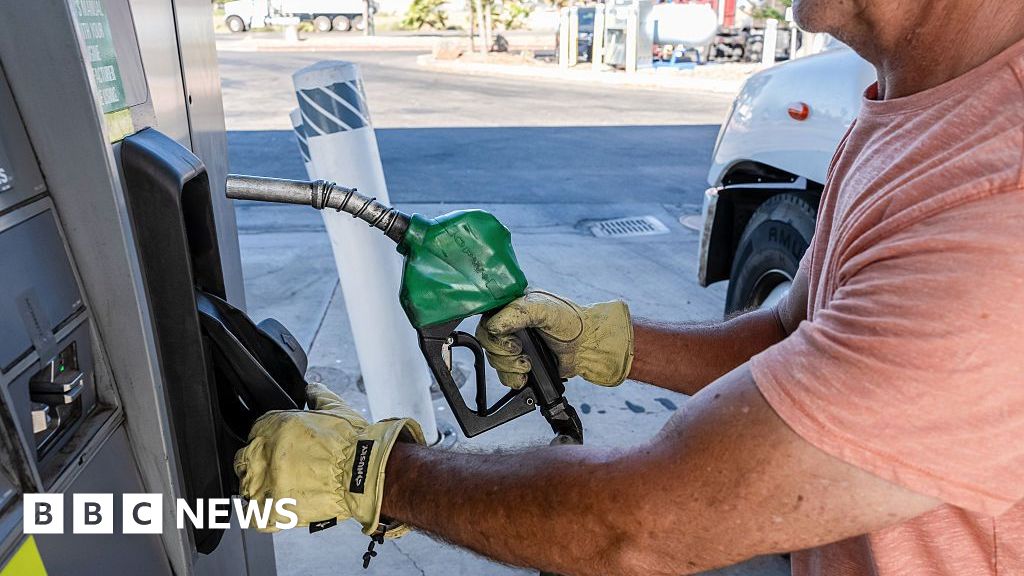
American diesel prices are currently hovering near a record average of 6.45 dollars per gallon, fueled by tight global supplies and escalating tensions between Israel and Iran. Because diesel powers the backbone of the US economy—from freight trucks and cargo trains to farm machinery—these spikes often trickle down into higher costs for groceries and construction materials. To combat this, Donald Trump has suggested that his administration is seriously considering a ban on diesel exports to ensure more fuel stays within domestic borders, potentially lowering pump prices for American workers and businesses before the upcoming midterm elections.
The United States is a powerhouse in energy production, refining roughly four to five million barrels of diesel every day. While Americans use about 3.6 million of those barrels, the surplus of 1.2 to 1.5 million is shipped overseas. A significant portion of these exports supports Latin American nations like Mexico and Brazil, while others flow toward Europe as countries seek alternatives to volatile Middle Eastern supplies. Proponents of the ban argue that prioritizing American energy for American consumers is the most effective way to shield the domestic economy from foreign geopolitical shocks.
However, many energy experts warn that such a move could create a dangerous ripple effect far beyond US shores. Analysts suggest that abruptly removing millions of barrels from the global market would spark intense bidding wars among importing nations, sending international prices skyrocketing. This surge would likely inflate global freight and industrial costs, which could eventually feed inflation back into the US economy, neutralizing any initial gains seen at the pump.
Beyond the financial risks, there is a significant diplomatic concern regarding how such a policy would be perceived globally. Critics argue that an export ban would shatter the reputation of the United States as a reliable energy partner. By cutting off vital lifelines to allies in Europe and Latin America during a time of crisis, the US might find its long term trade relationships strained and its standing in the global energy market permanently damaged for a short term political win.


Comments are closed.