
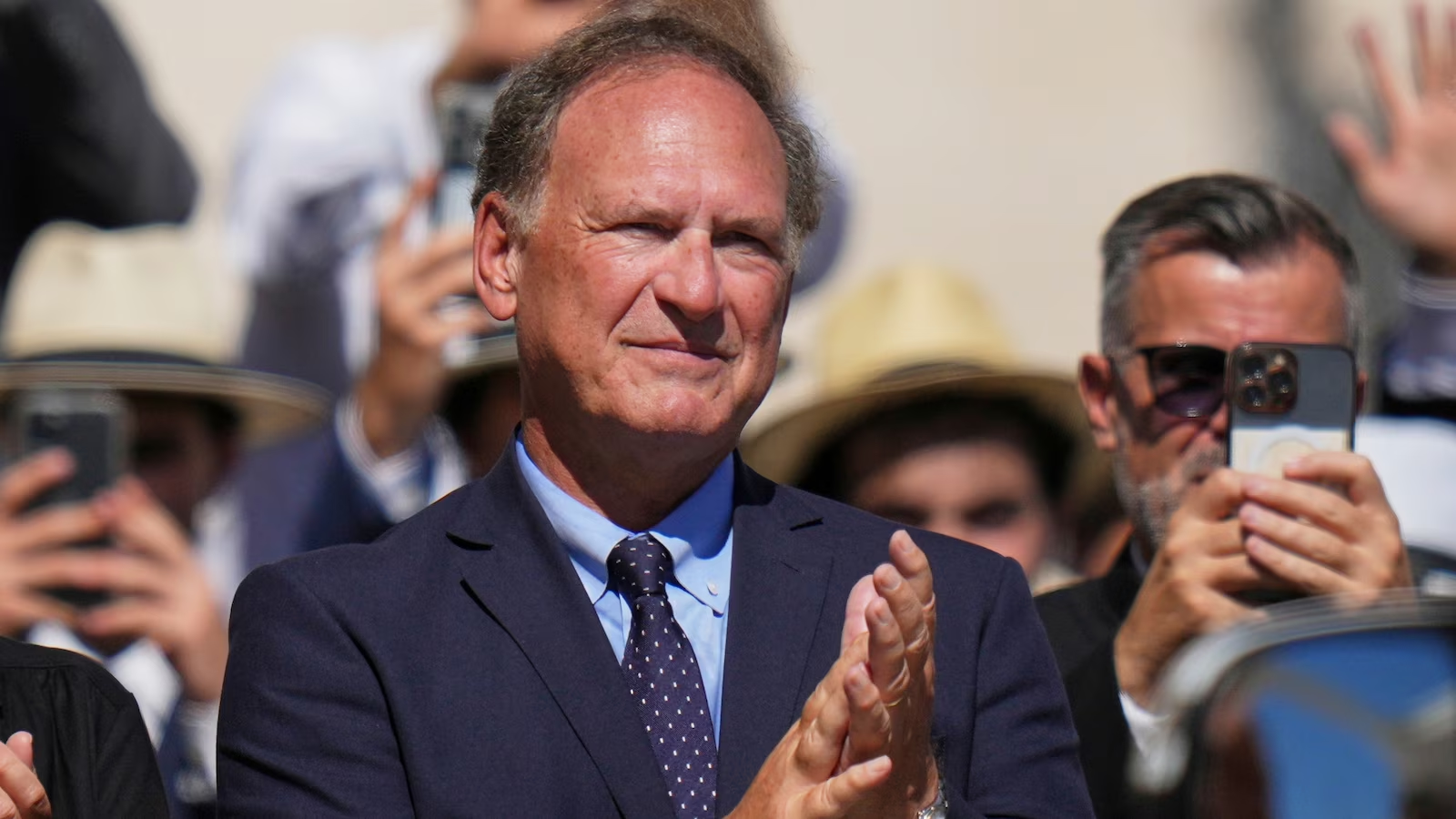
Supreme Court Justice Samuel Alito has officially recused himself from a pivotal climate change lawsuit following mounting pressure regarding his financial ties to the energy sector. While the formal notification submitted to the court offered no specific explanation for his withdrawal, it marks a significant shift for the conservative justice who had previously resisted calls to step away from the proceedings. This move follows a pattern of behavior where Alito has stepped aside from other cases involving corporations in which he maintains personal investments.
The legal battle involves local officials in Boulder, Colorado, who are suing giants like Suncor Energy and ExxonMobil. The plaintiffs allege that these companies intentionally misled the public about the role of fossil fuels in driving global climate change, seeking billions of dollars in damages. The energy firms, supported by the Trump administration, have argued that such lawsuits threaten the entire industry and claim that state courts lack the jurisdiction to handle what they describe as a global environmental crisis.
Although Justice Alito does not hold direct shares in ExxonMobil or Suncor Energy, his financial disclosures reveal holdings in other major oil players including Phillips 66 and ConocoPhillips. Advocacy groups like Consumer Watchdog have argued that any ruling favoring these defendants would create a positive ripple effect across the industry, potentially benefiting Alito’s own portfolio through indirect market gains.
Representatives for Consumer Watchdog praised the decision but suggested it arrived too late. Organizing director Alexandra Nagy noted that under the Supreme Court’s own newly adopted code of ethics, justices are expected to avoid matters where there is a conflict regarding subject matter or controversy. In a statement released following the announcement, Nagy asserted that stepping down was simply the correct decision and expressed her belief that it should have happened when the court first agreed to hear the case back in February.


Comments are closed.