
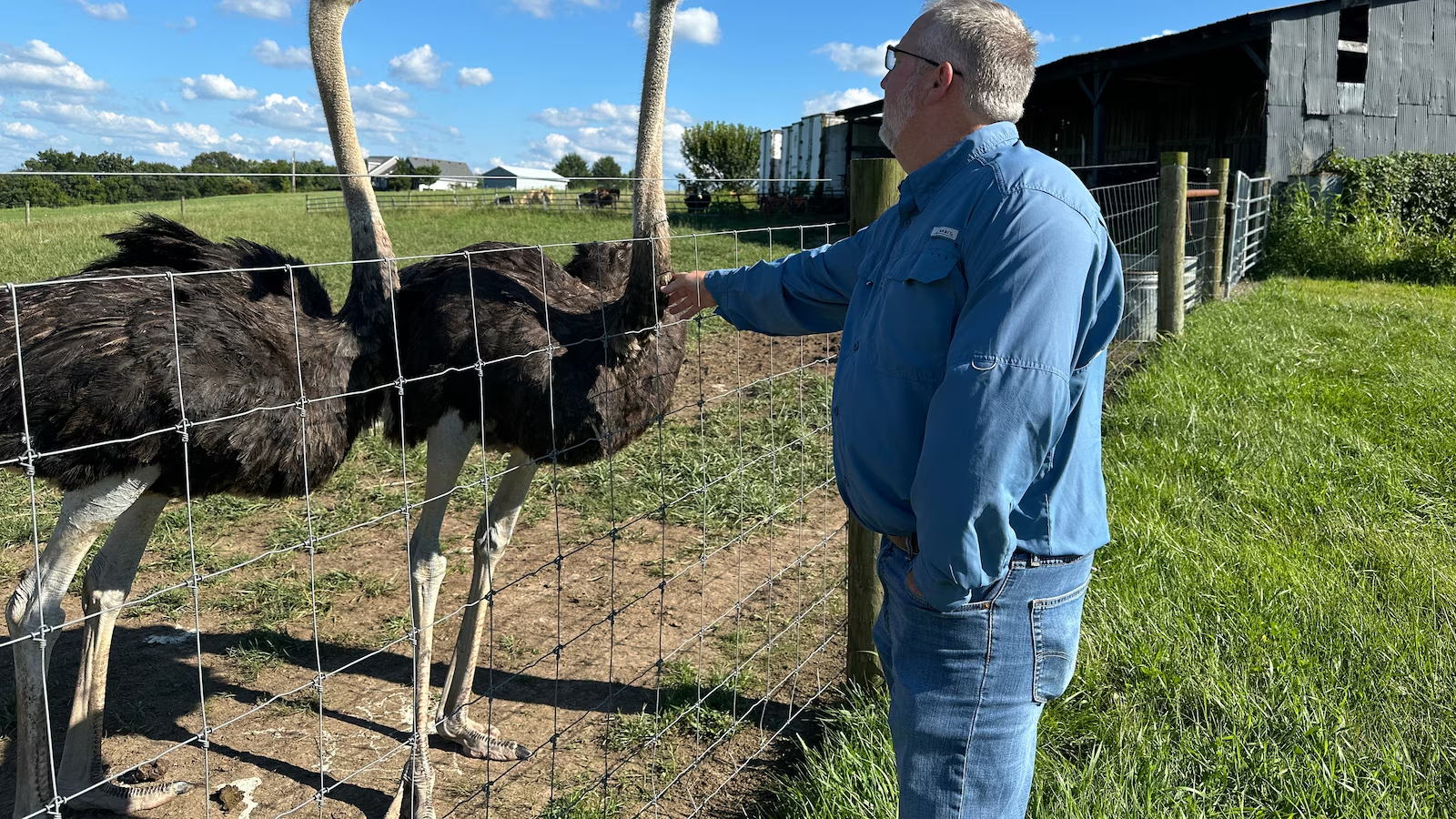
For Brent Williams, a simple steak sandwich during a work trip several years ago turned into a medical nightmare. After suffering a severe and puzzling reaction, the Kentucky man discovered he had developed alpha-gal syndrome, a life-threatening allergy to red meat triggered by tick bites. For someone who spent his life working on farms where ticks are common, the diagnosis was a shock that effectively banned mammal meat from his diet entirely. Even the smell of a backyard grill became a hazard, leaving him longing for the flavor and texture of a burger for years.
This personal struggle became the catalyst for a unique business venture when a friend proposed starting an ostrich farm. Because ostriches are birds rather than mammals, their meat does not contain the alpha-gal sugar that triggers the allergic reaction. Despite being poultry, ostrich meat is deep red and rich in iron, offering a taste and mouthfeel remarkably similar to beef. Now a partner at Alpha Roost Farms in Danville, Williams says that many fellow alpha-gal sufferers are moved to tears when they finally taste an ostrich burger again after years of deprivation.
The demand for this alternative protein is driving significant growth at Alpha Roost Farms, which currently houses over 400 of the massive African birds. Owner W. D. King notes that people are often willing to pay premium prices for the meat, with ground ostrich sometimes exceeding twenty dollars per pound. Local vendors like Leah Gibbs at Dry Branch Farm market report that customers travel from across the state specifically seeking out these cuts as a viable replacement for beef. This trend isn’t isolated to Kentucky; other large-scale operations in Texas are also expanding their herds to keep up with increasing requests from restaurants and specialty stores nationwide.
While ostrich farming experienced a volatile boom and bust cycle in the nineties due to inexperienced owners treating the giant birds like oversized chickens, today’s successful farmers take a different approach. By prioritizing free range space and understanding animal behavior, modern producers are creating a sustainable supply chain for those with dietary restrictions. For Williams, however, the success of the farm is about more than just business economics; it is about reclaiming a culinary joy he thought was gone forever.

Comments are closed.