
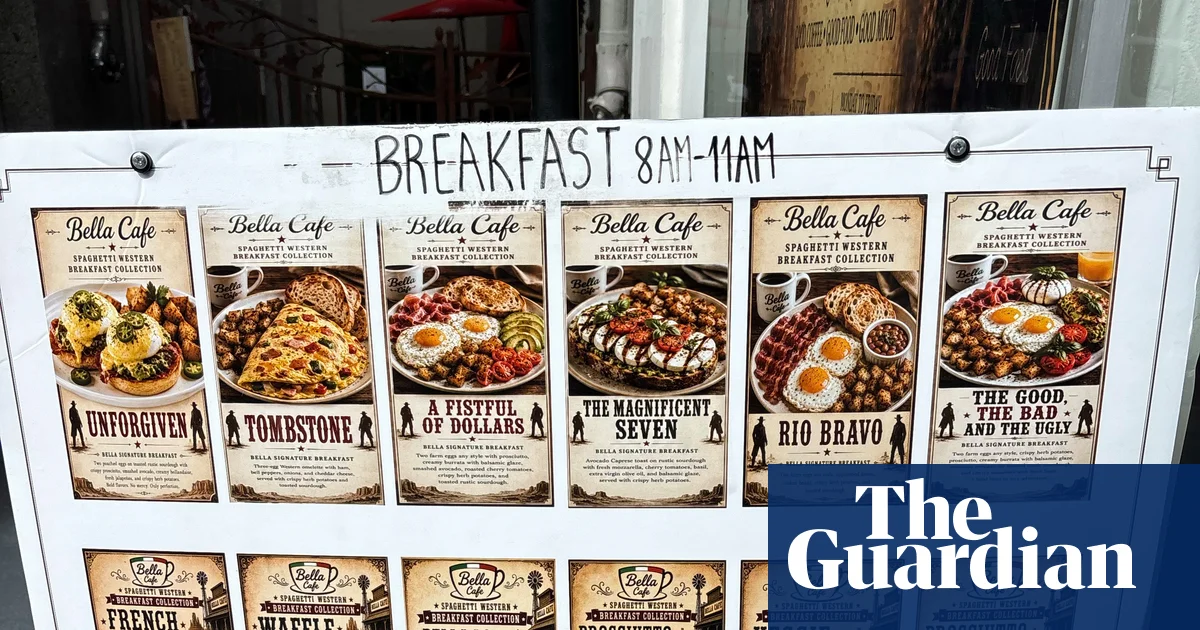
For Jill Sennett, a nurse in Denver, a routine lunch break turned into a moment of genuine disgust when she encountered the menu for a Jamaican barbecue pop-up. Rather than mouthwatering visuals, the artificial intelligence generated images depicted meats that resembled leather belts infested with tiny beetles. While Sennett eventually ordered her usual chicken and macaroni and cheese because it was one of her few available options, the encounter highlighted a growing tension between cost cutting measures and the basic human desire for authentic food experiences.
This trend is becoming increasingly common as restaurant operators struggle with rising labor and ingredient costs. A report from the National Restaurant Association indicates that over a quarter of operators now use AI for various business functions, ranging from scheduling to marketing. However, replacing professional photography with generative AI often results in what critics call slop imagery where textures feel wrong and lighting looks unnatural. In San Francisco, the backlash has been visceral, with one cafe owner discovering their storefront graffitied after displaying AI generated signs that locals claimed looked more like reptile skin than fresh bread.
Industry experts suggest that while automation is helpful behind the scenes for inventory or logistics, it becomes a liability when it touches the customer’s visual appetite. Hunter Lewis of Food and Wine magazine notes that AI images can be a significant turnoff because diners value reality in their meals. This sentiment is echoed by photographers who point out that AI frequently fails to capture the nuanced arrangement and organic colors of actual cuisine. Interestingly, some establishments are turning this frustration into a marketing win by pledging to never use AI, using hand drawn sketches to signal authenticity to an audience tired of digital perfection.
The controversy extends beyond physical menus into delivery apps like DoorDash, which provides tools to enhance photos via AI adjustments to light and color. While these platforms claim to prohibit misleading images, researchers are finding that knowing an image is synthetic fundamentally changes how people perceive food. A University of Oxford study revealed that while people may find AI food attractive initially, their appetite drops once they realize the image is fake. There is even concern that AI tends to exaggerate fats and portions to make dishes look more appealing, potentially nudging both chefs and consumers toward less healthy habits through subconscious suggestion.


Comments are closed.