
Archive

October 2026

Browsing

Elon Musk has once again blurred the line between automotive engineering and aerospace technology, unveiling a version of the long awaited Tesla Roadster that can actually take flight. During a livestreamed demonstration at a SpaceX facility in Waco, Texas, the vehicle performed a gravity defying stunt, launching from a curved ramp that sent it momentarily upside down before it flipped 180 degrees in midair to land perfectly on its wheels. Using ultra high pressure gas boosters rather than traditional wings, Musk declared that flying cars are now a reality, though he candidly admitted that success is not yet guaranteed.

The project serves as a tangible marriage between Tesla and SpaceX, utilizing propulsion and pressure vessel hardware developed by the rocket company to push the sports car into the sky. While the standard Roadster remains available for reservation with a five thousand dollar deposit, the full flight system will be restricted to an invitation only Rocket model. Production is slated for 2028, although Tesla has already noted on its website that the flying variant is not currently approved for public road use.

Despite the spectacle, the announcement has left regulators in a state of confusion regarding who actually oversees such a machine. The Federal Aviation Administration stated that the vehicle does not fit their definition of an aircraft, while officials at the Department of Transportation expressed skepticism about its practical takeoff capabilities. This leaves a significant legal gray area between highway safety standards and aviation law that Tesla will need to navigate before these cars leave the test track.

Wall Street analysts suggest that while the flying Roadster won’t significantly impact Tesla’s bottom line or overall revenue due to limited production numbers, it serves a larger strategic purpose. By showcasing this level of extreme engineering just ahead of third quarter earnings reports, Musk is reinforcing his brand’s image as an innovator at the absolute ceiling of technology. For now, the vehicle exists less as a mass transit solution and more as a high profile proof of concept for what happens when a car company and a rocket firm share a blueprint.


Global oil markets faced a volatile Friday as Brent crude touched the $110 mark for the first time since May, reacting to a wave of escalating conflicts across two different continents. Prices climbed sharply following reports of increased Iranian aggression in the Strait of Hormuz and persistent missile strikes launched by Houthi militants against Saudi Arabian targets. While Brent eventually settled slightly lower at $109.86, the overall trend remained bullish, with U.S. West Texas Intermediate closing above $101 per barrel after a massive weekly surge.

The situation in the Middle East has grown increasingly precarious, with Saudi Arabia intercepting multiple missiles aimed at key locations, including the vital Yanbu oil export terminal. Tensions peaked this week as Iran allied forces targeted administrative buildings belonging to Aramco and struck Riyadh’s international airport. Simultaneously, shipping lanes in the Strait of Hormuz became a primary battleground, where at least nine vessels have been attacked recently. The sinking of the container ship GFS Pride underscores the growing risk to global trade, leading to a significant drop in daily exports through the narrow waterway compared to previous months.

Adding to the instability is the collapse of a fragile energy ceasefire between Ukraine and Russia. After Moscow continued its campaign against Ukrainian infrastructure, President Volodymyr Zelenskyy announced that Kyiv would retaliate by resuming precision strikes on Russian refineries. This renewed hostilities comes at a time when diesel prices are already skyrocketing globally due to existing supply chain disruptions, leaving consumers facing costs significantly higher than they were just one year ago.

Domestic factors within the United States further fueled the price hike as hurricane activity disrupted production along the Gulf Coast. Data from the Energy Information Administration revealed a sharp decline in commercial inventories by more than eight million barrels during early October. Between these weather induced shortages and the geopolitical firestorm stretching from Eastern Europe to the Persian Gulf, traders are bracing for a prolonged period of extreme volatility in energy pricing.

While early predictions for the 2026 season focused heavily on the Los Angeles Rams and Seattle Seahawks, the San Francisco 49ers have quietly reclaimed their spot as the team to beat. After a previous campaign marred by injuries, Kyle Shanahan has guided his squad to a perfect 5-0 start, establishing them as the new favorites in the eyes of oddsmakers. With a league-leading point differential and elite efficiency on both sides of the ball, San Francisco looks like a completed puzzle, blending high-level coaching with veteran brilliance.

The strength of this current iteration lies in the resurgence of established stars like Christian McCaffrey and Trent Williams, alongside an inspired performance from free agent addition Mike Evans. Even George Kittle has remained a focal point of the attack despite his history of major injuries. By sweeping their NFC West rivals early on, the 49ers have positioned themselves as the dominant force in football’s toughest division, leaving many analysts wondering if there is any team left capable of stopping their march toward a long-awaited championship.

In stark contrast, the Chicago Bears are struggling to find their identity while navigating a void at quarterback. The absence of Caleb Williams since Week 2 has turned promising momentum into a series of frustrating losses, including a recent blowout defeat at the hands of Green Bay. Without Williams under center, the offense has looked limited and prone to turnovers, leaving Chicago mired in the middle of a crowded NFC North standings battle further complicated by the suspension of star pass rusher Montez Sweat.

There is light at the end of the tunnel for Chicago fans, however, as Williams returned to practice this week following a hamstring injury and is expected to suit up against Atlanta in Week 6. While backups Case Keenum and Tyson Bagent managed to keep things moving, it is clear that Williams possesses the ceiling necessary to elevate this roster into true postseason contention. As he returns to action, the Bears hope to erase several hypotheticals and prove they belong among the league’s upper echelon.

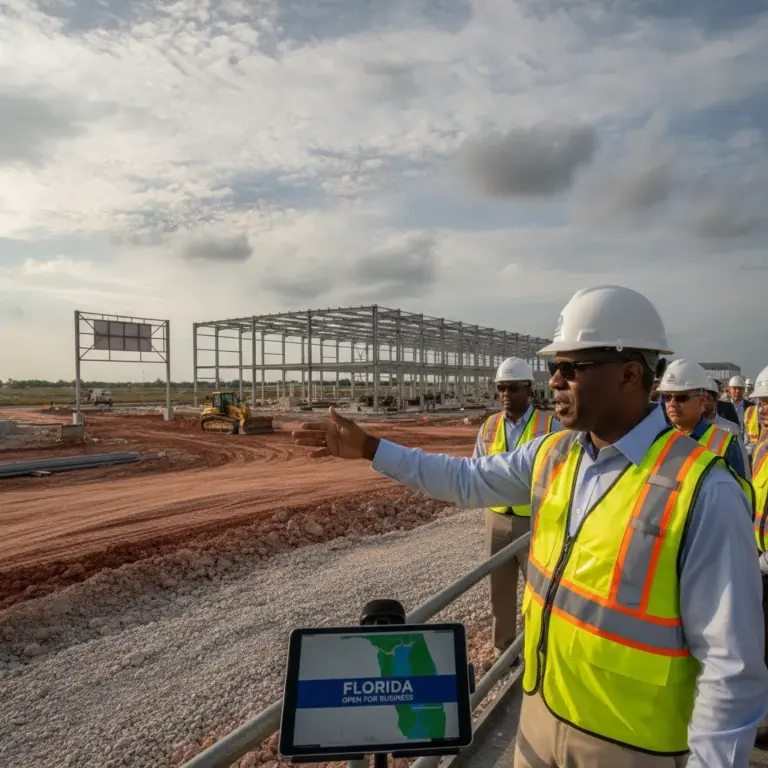
Representative Byron Donalds has made his enthusiasm for the expansion of data centers a cornerstone of his bid for the Florida governorship. While some opponents have called for moratoriums on these massive facilities due to voter concerns, Donalds has remained steadfast, insisting that Florida remains wide open for development. He argues that the state possesses plenty of pristine land ready for use and dismisses calls for bans as mere political theater designed to play well on social media rather than serve economic interests.

This pro-tech stance extends beyond politics and into his personal life. His wife, Erika Donalds, has similarly championed artificial intelligence, suggesting that traditional teaching methods should evolve to incorporate AI tools despite resistance from veteran educators. Their shared belief in the digital frontier is mirrored in their finances, with recent congressional disclosures revealing nearly 400,000 dollars in stocks tied to the infrastructure of the AI boom. These holdings range from tech titans like Amazon and Microsoft to specialized construction firms operating right here in Florida.

To address potential conflicts of interest, Donalds maintains that he does not personally manage his trades. He asserts that a wealth management firm handles his portfolio independently and claims it would be unethical for him to direct specific trades. However, ethics experts argue that this defense doesn’t erase the inherent tension created when a lawmaker influences policy that could drive up the value of their own assets. This debate comes amid previous scrutiny regarding late financial disclosures and complaints involving the STOCK Act.

The connection between Donalds and the tech sector runs deep through both legislative action and campaign funding. From serving on a federal subcommittee focused on digital assets to aligning with allies who push for developer protections in Tallahassee, Donalds has positioned himself as the primary conduit for Silicon Valley in Florida. With millions in donations pouring in from tech developers, critics suggest that his vision for a digitally integrated Florida may be closely aligned with those providing the capital for its growth.

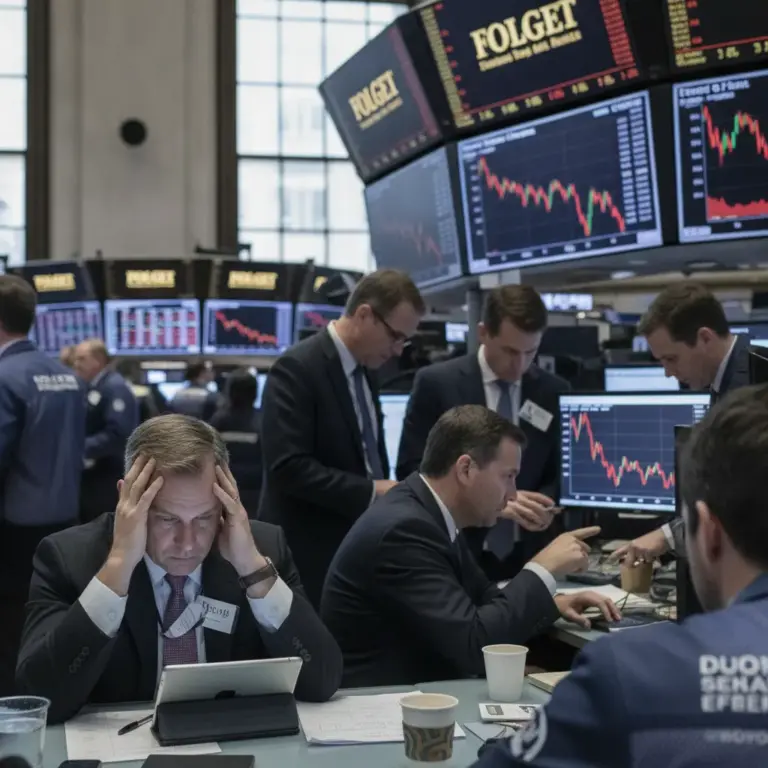
The high flying world of artificial intelligence is hitting a rough patch as investors begin to question whether the massive spending on infrastructure will actually yield proportional returns. This growing skepticism has triggered a significant sell off across the semiconductor industry, leaving some of the market most prized stocks in a precarious position. Despite the immense hype surrounding generative AI over the past year, traders seem to be shifting their focus toward tangible profits rather than future promises.

Even stellar performance from key players hasn’t been enough to stem the tide of losses. Taiwan Semiconductor Manufacturing recently posted a strong earnings report that should have bolstered confidence in the sector, yet the positive news failed to ignite a rally. Instead, the broader trend remained downward, suggesting that individual company success is currently being overshadowed by systemic worries about an investment bubble in the hardware space.

The scale of this downturn is becoming increasingly evident when looking at technical indicators like the Philadelphia semiconductor index. Known among traders as the SOX, the index is currently flirting with its longest losing streak since mid 2025. Seven consecutive days of declines signal more than just typical volatility; they suggest a deeper correction as the market attempts to find a sustainable price point for chips during what many call the AI supercycle.

As small cap stocks also struggle and inflation concerns linger, chip makers are finding themselves at the center of a larger economic tug war. For now, it appears that even the strongest balance sheets cannot protect these companies from a general retreat by investors who are suddenly wary of how much more capital can be poured into silicon before seeing a meaningful return on investment.

Tenet Healthcare has emerged as a standout performer in recent trading sessions, capturing the attention of analysts at Investor’s Business Daily. The company is currently riding a wave of positive momentum, characterized by a steady climb in share price that suggests growing confidence among traders. This upward trend reflects a broader shift toward healthcare assets as investors seek stability and growth in an unpredictable market environment.

The stock is rapidly approaching what technical analysts call a strategic buy point, a level where the risk to reward ratio becomes particularly attractive for those looking to enter a position. By maintaining this blue wave trajectory, Tenet is signaling strength relative to its peers, moving beyond previous resistance levels that had historically capped its gains. Many observers view this movement as part of a larger recovery pattern within the hospital management sector.

While the current surge provides plenty of optimism, seasoned investors remain cautious about timing their entries perfectly. The path toward the official buy point depends heavily on continued volume support and overall market sentiment remaining favorable toward large cap medical providers. If the shares can break through these final barriers with conviction, Tenet could establish a new baseline for long term growth.

As the company continues its ascent, industry watchers will be keeping a close eye on upcoming financial reports and operational updates to ensure the fundamental value matches the chart’s enthusiasm. For now, however, all eyes are on whether this bullish run can sustain itself long enough to trigger a widespread buying signal across institutional portfolios.

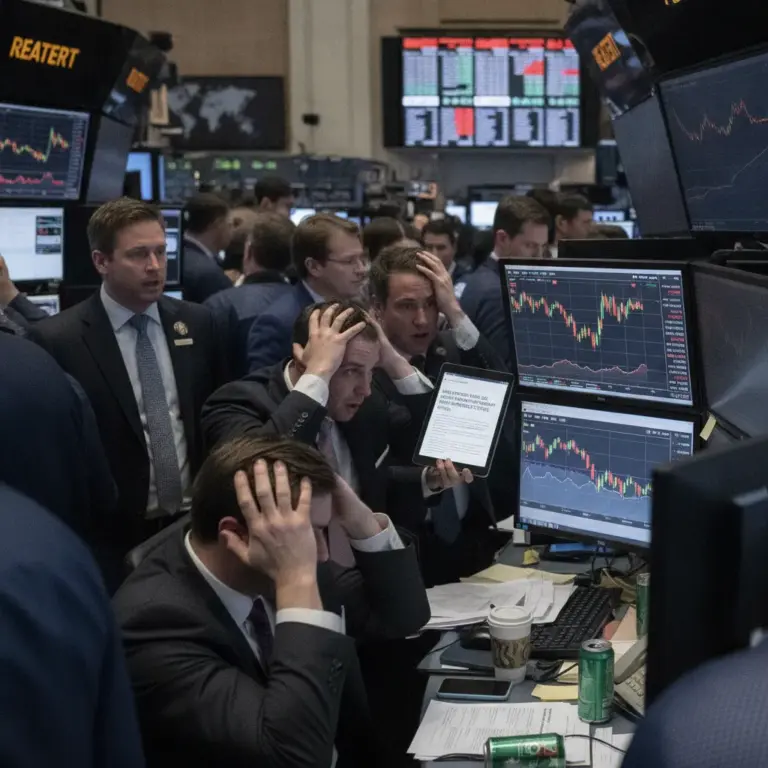
The euphoria surrounding the artificial intelligence gold rush hit a significant speed bump this week as investors began questioning whether the astronomical costs of building AI infrastructure can withstand rising borrowing costs. A sweeping global sell-off has wiped more than a trillion dollars in value from twenty of the world’s most prominent semiconductor and AI firms. Heavyweights like Nvidia and AMD saw their shares dip, while Dell Technologies took a sharper hit, sliding nearly seven percent amid growing anxiety that expensive capital is becoming a bottleneck for growth.

This volatility isn’t limited to Wall Street, as the contagion spread rapidly through Asian markets. South Korea’s chip giants SK Hynix and Samsung Electronics both suffered steep losses, and Japan’s SoftBank Group tumbled alongside several key semiconductor equipment suppliers. Even European stalwarts like ASML and Infineon felt the pressure. Much of this pessimism stems from recent U.S. inflation data, which suggests the Federal Reserve may keep interest rates high, thereby increasing the financial burden on companies attempting to scale up their data centers and hardware capabilities.

Beyond interest rates, long term supply concerns are beginning to cloud the horizon. There are emerging fears of a memory chip glut by 2029 as manufacturers race to expand capacity, coupled with reports of technological breakthroughs in China that could intensify competition in the RAM market. Industry leaders at Intel and Broadcom have explicitly warned that securing sustainable financing might eventually pose a greater threat to AI expansion than actual shortages of electricity or silicon chips themselves.

Despite the carnage, some analysts argue that this correction is merely a pricing adjustment rather than a collapse in utility. Dan Ives of Yorkville Ives noted that while climbing Treasury yields make project financing more expensive, they do not diminish the fundamental demand for AI computing power. He suggested that unless there is evidence of cancelled contracts or slashed spending from major cloud providers, this downturn represents a strategic buying opportunity for those who believe the AI revolution is still in its infancy.

Global oil markets are reeling after a series of violent escalations in the Middle East pushed Brent crude prices beyond the 104 dollar mark. Tensions spiked on Tuesday night when Houthi militias, aligned with Iran, launched a ballistic missile strike targeting the administrative headquarters of Saudi Aramco in Dhahran. While the Saudi Energy Ministry reported that the resulting fire was limited and no deaths occurred at the facility, the psychological impact on traders was immediate, sending prices leaping toward 107 dollars per barrel shortly after the blast.

The instability extended beyond land targets as maritime security in one of the world’s most vital chokepoints collapsed. A Singapore flagged container ship known as the GFS Pride was sunk in the Strait of Hormuz after being hit by an unidentified projectile. Although all twenty one crew members were rescued, a second vessel, the GFS Giselle, suffered hull damage in a separate attack the following day. The Maritime and Port Authority of Singapore has since condemned these actions as unprovoked breaches of international law, adding further volatility to an already fragile shipping environment.

These events come at a time when Saudi leadership had been attempting to project strength and stability. Just hours before the Aramco strike, Energy Minister Prince Abdulaziz bin Salman spoke at the WPC Energy Congress, describing Riyadh as the capital of energy security and urging a focus on resilience under pressure. However, those words did little to calm investors as Saudi forces responded with their own retaliatory strikes against Houthi controlled energy sites and ports in Yemen.

Industry experts now fear these disruptions could have long term consequences for global supply chains. The International Energy Agency has cautioned that continued attacks on Saudi infrastructure might derail current supply recoveries and lead to prolonged shortages in diesel markets through next year. In an effort to stave off more dramatic price hikes, reports suggest the Trump administration may look into easing sanctions on shadow fleet vessels carrying Russian oil to keep global volumes steady.

Owning gold and silver has long been seen as a strategy for stability and wealth preservation, but actually using those assets to buy a cup of coffee or pay for groceries has traditionally been a cumbersome process. That changes today with the introduction of the OneGold Card. Developed by the vaulted metals platform in partnership with Mastercard, this new payment tool allows users to spend their precious metal holdings instantly at any retailer that accepts the network, effectively turning physical bullion into a liquid spending account.

The technology works by automating the liquidation process behind the scenes. When a user swipes their card or uses a digital wallet like Apple Pay or Google Pay, the platform calculates the necessary amount of gold or silver needed to cover the cost and converts that fraction of their holding into currency at current spot prices. This eliminates the old school headache of visiting coin shops, waiting for checks to clear, or dealing with slow bank transfers just to access one’s own investments.

To encourage adoption, OneGold is waiving selling fees on U.S. gold conversions used for these transactions, with a similar fee waiver extending to silver holders through late 2026. Ken Lewis, CEO of Bullion International Group, noted that this move essentially makes gold functional as money once again. By removing the barriers between storing value and spending it, the company aims to give investors the safety of physical ownership combined with the convenience of modern banking.

This launch coincides with a comprehensive overhaul of OneGold’s mobile app and website to streamline the user experience. Since its founding in 2018, OneGold has positioned itself as a middle ground between high-cost physical storage and abstract exchange traded funds. With over four million ounces of metal currently managed under insurance from Lloyd’s of London, the firm provides clients with audited ownership of physical assets stored in global vaults while now offering them unprecedented ease of access via their wallets.

SSR Mining is significantly scaling up its presence in the American West through an all-cash acquisition of Roxmore Resources. The move focuses primarily on the Converse gold project, which sits just six kilometers away from the existing Marigold Complex along Nevada’s prolific Battle Mountain-Eureka Trend. By absorbing this neighboring asset, SSR Mining secures a massive resource consisting of millions of ounces of gold while cementing its position as the third largest gold producer currently operating within the United States.

Executive Chairman Rod Antal described the purchase as a compelling opportunity to secure a high quality resource at an attractive price point. Because the two sites are so close together, the company believes it can eliminate redundant administrative roles and overhead costs, leading to estimated savings of at least 200 million dollars over the life of the mine. This strategic alignment makes SSR Mining what leadership calls the natural acquirer for such a deposit, allowing them to leverage shared infrastructure and operational efficiencies across their Nevada holdings.

Looking ahead to production, the Converse project is expected to contribute between 150,000 and 170,000 ounces of gold per year starting around 2033. While initial construction is estimated to cost nearly 900 million dollars, those expenditures aren’t expected until the early 2030s. When combined with other major operations like Cripple Creek and Victor in Colorado, SSR Mining anticipates its total U.S. output will average up to 400,000 ounces annually over a decade starting in 2033, with some peak years potentially climbing even higher.

To fund this expansion without taking on new debt, SSR Mining is utilizing its own balance sheet, supported by recent divestments designed to shift its focus toward the Americas. Earlier this year, the firm generated substantial liquidity by selling most of its interest in Turkey’s Copler gold mine for 1.5 billion dollars. As part of this transition, non core exploration properties previously held by Roxmore will be spun off into a separate entity funded with 10 million dollars in cash and shared between both companies’ stakeholders.