Archive

November 7, 2026

Browsing

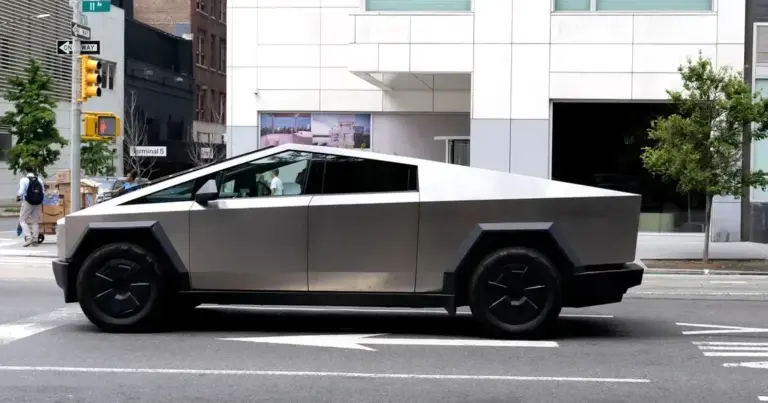
Tesla is officially pulling the plug on the Cybertruck, bringing a quiet end to one of Elon Musk’s most polarizing ventures. What began as a futuristic promise of indestructible utility eventually devolved into a cautionary tale of overambition and engineering hurdles. From its inception, the vehicle was plagued by manufacturing struggles, as Musk pushed for an impossible level of precision that simply could not be replicated on a mass scale. This gap between the CEO’s vision and the actual product resulted in a truck defined more by panel gaps and recalls than by innovation.

The decline became apparent long before the final decision to cease production. While early hype suggested hundreds of thousands of units would fly off the lots, real world demand remained stagnant. Musk himself hinted at the failure late last year, admitting in a candid moment that the company had essentially dug its own grave with the project. Even strategic internal maneuvers, such as shifting large volumes of inventory to SpaceX, failed to mask the fact that consumers were largely uninterested in owning what many viewed as a rolling piece of conceptual art rather than a functional tool.

Beyond the technical failures, the Cybertruck became an unintentional symbol of Musk’s increasingly contentious public persona and political influence. As his visibility shifted from tech visionary to governmental disruptor, the truck’s jarring aesthetic served as a loud signal of ownership that many buyers found alienating. With public sentiment souring toward Musk’s broader ambitions, the desire to advertise those affiliations via a stainless steel pickup plummeted. For those still determined to own a piece of this metallic experiment, time is running out quickly as current stock disappears from showrooms forever.
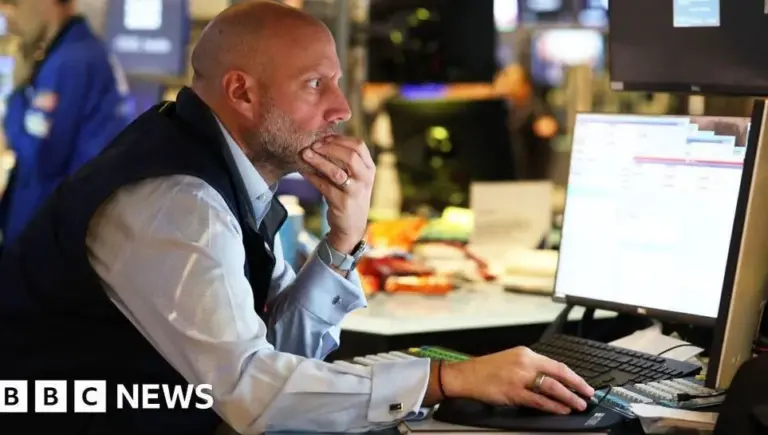
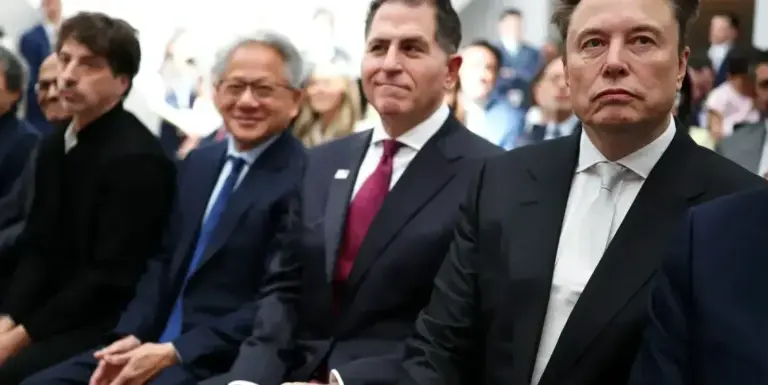
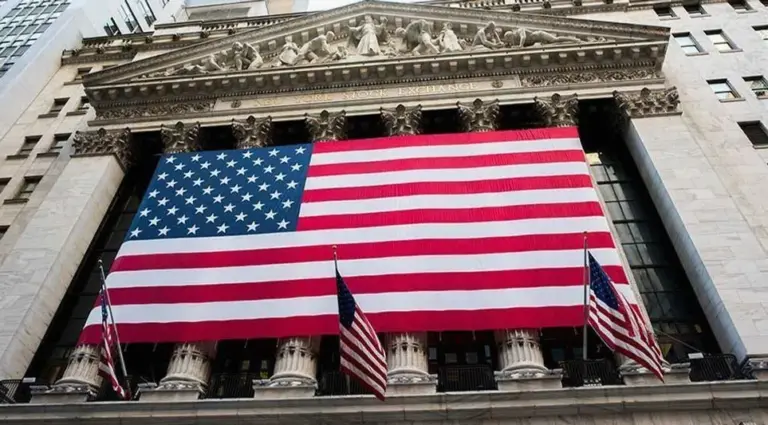
The high stakes world of artificial intelligence experienced a dizzying roller coaster ride this week as major tech stocks began to recover on Friday following a massive sell off that erased trillions of dollars in market value. The Nasdaq Composite led the rebound, climbing roughly 1.7 percent by midday to recoup some of the heavy losses suffered during a volatile session on Thursday. This sudden instability was largely triggered by investor anxiety surrounding the Democrat victory in the U.S. midterm elections, with many fearing that new legislative control would lead to stricter regulations and a slowdown in AI development.

Industry giants felt the brunt of the initial panic, particularly chipmakers who provide the essential hardware for generative AI. Nvidia saw its valuation plummet by hundreds of billions on Thursday alone, though it managed to claw back much of that ground with a steady rise on Friday. Other sector players like AMD and Micron followed a similar pattern, swinging from double digit losses to sharp recoveries as buyers returned to the market. However, this optimism did not extend globally, as markets across Asia and Europe remained in the red, leaving international investors far less confident than their American counterparts.

Adding complexity to the mood on Wall Street were fresh employment figures showing that the U.S. economy remains surprisingly resilient despite political shifts_ Employers added 165,000 jobs in September, comfortably beating analyst expectations and pushing the unemployment rate down slightly to 4.1 percent. Some economists suggest these robust numbers indicate that while stock valuations may fluctuate based on policy fears, the underlying real economy is continuing to run hot regardless of regulatory headwinds facing Big Tech.

Despite the Friday recovery, experts warn that the long term trajectory for AI investments remains uncertain. Critics argue that tech companies have failed to communicate how their massive spending will translate into tangible public benefits, especially as local communities grapple with rising energy costs tied to sprawling new data centers. With President Donald Trump voicing his support for super intelligence against those calling for caution, analysts believe next week will be the true test of whether this current rally is a sustainable turnaround or merely a brief pause in a larger correction.

Elon Musk has felt a sharp financial sting following the recent midterm elections, losing approximately 113 billion dollars in paper wealth over a mere forty eight hours. While Wall Street initially saw a historic surge immediately after the vote, that momentum quickly evaporated into a broader selloff of artificial intelligence stocks. For Musk, the decline began early as Tesla and SpaceX shares bucked the initial trend of growth seen by giants like Apple and Amazon, leading to a staggering drop in combined market capitalization from 3.5 trillion dollars down to roughly 3.04 trillion.

The sudden exodus of investor confidence appears rooted in fears that Musk’s high profile political activity will invite aggressive retaliation from the newly empowered Democratic majority in Congress. With lawmakers signaling intentions to investigate corporate corruption and scrutinize Musk’s influence through initiatives like DOGE, critics suggest he has become a primary target due to his outspokenness and significant campaign spending. Concerns are particularly acute regarding SpaceX, given its reliance on multi billion dollar federal contracts and ongoing questions surrounding Starlink’s operational stability during international conflicts.

Market analysts remain divided on whether this crash represents a permanent shift or a temporary panic. Some experts argue that investors are having a knee jerk reaction, noting that President Trump still holds veto power over restrictive legislation and maintains a strong alliance with the entrepreneur. They point to SpaceX’s ambitious plans to expand computing capacity as a sign of fundamental strength that outweighs current political noise, suggesting that while Democrats might slow progress, they cannot easily dismantle it.

However, other observers warn that the regulatory landscape is becoming increasingly treacherous, citing shifting demographics in key states like Texas as a hurdle for future ambitions such as a potential merger between Tesla and SpaceX. While the immediate threat may be buffered by executive support, some believe the true danger lies further ahead. If current tensions lead to a prolonged legislative stalemate followed by another shift in White House leadership by late decade, the volatility currently hitting Musk’s portfolio could become a lasting reality for his empire.

The futuristic silhouette of the Cybertruck may soon become a relic of the past. Elon Musk announced on Friday that Tesla plans to phase out production of its polarizing stainless steel pickup at the Texas gigafactory by mid 2027. This strategic pivot is designed to clear floor space for the Cybercab, Tesla’s autonomous ride hailing vehicle, signaling a definitive shift in priorities toward a driverless future. While some fans may be disappointed, Wall Street responded positively to the news, sending Tesla shares up nearly five percent as investors embrace the transition toward robotics and AI.

Since its flashy debut in 2019, the Cybertruck was marketed as an indestructible rolling fortress capable of weathering everything from sledgehammers to gunfire. However, reality proved less polished than the prototype. The vehicle struggled throughout its short lifespan with persistent quality control issues and a series of recalls involving faulty pedals and cameras. These technical hurdles were compounded by lackluster sales numbers that fell far short of Musk’s initial projections of 250,000 units per year, with recent data showing a significant dip in registrations compared to previous periods.

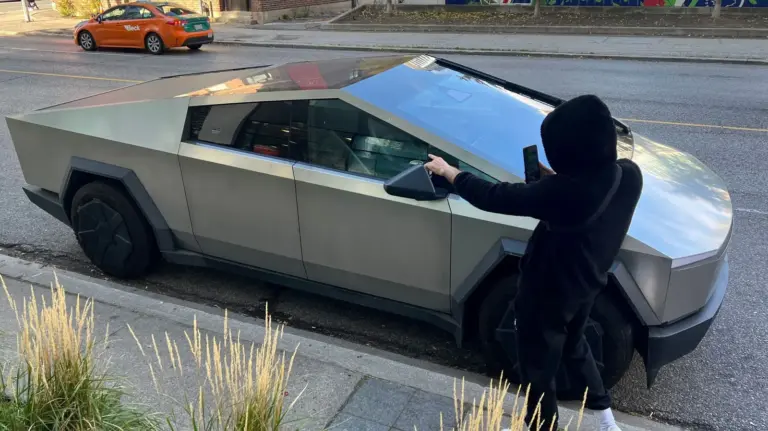
Industry analysts suggest that the high price point and niche appeal made the sunsetting of the truck inevitable. Dan Ives of Yorkville Ives and Company noted that the writing was already on the wall given the cooling demand for such an expensive and unconventional utility vehicle. Beyond market forces, the truck also became a target for political protesters who viewed it as a symbol of Musk’s growing influence within government circles, leading to sporadic acts of vandalism at various dealerships across the country.

As Tesla leans into its robotaxi era, it is focusing all available resources on vehicles like the Cybercab, which lacks both a steering wheel and pedals entirely. With production already underway in Austin, Tesla is betting that autonomy will drive more growth than luxury pickups ever could. Some observers believe this evolution might lead to further corporate restructuring, including speculation about potential ties between Tesla and SpaceX to secure additional computing power and capital for these ambitious technological leaps.

The Nasdaq saw a significant resurgence today as investors pivoted back toward technology stocks, sparking a broad rally across the sector. After a period of uncertainty, market sentiment shifted upward, driven by renewed confidence in growth projections and strong quarterly momentum among major software and hardware firms. This turnaround suggests that traders are once again willing to bet on high valuation tech plays despite broader economic headwinds.

Leading the charge was Airbnb, which witnessed its shares rocket higher in a standout performance. The travel platform caught the eye of analysts and retail investors alike, benefiting from optimistic forecasts regarding global tourism recovery and strategic operational adjustments. As booking numbers climbed, the stock surged well beyond previous resistance levels, acting as a catalyst for other consumer-facing digital platforms throughout the session.

While the surge in travel and tech dominated the headlines, the wider market reflected a cautious yet hopeful appetite for risk. Traders spent much of the day balancing these aggressive gains against macroeconomic indicators, but the sheer strength of the Nasdaq indicated that momentum is currently favoring innovation over defensive holdings. Industry observers note that this shift could signal a longer term trend if current earnings trajectories hold steady into next month.