Archive

November 2026

Browsing

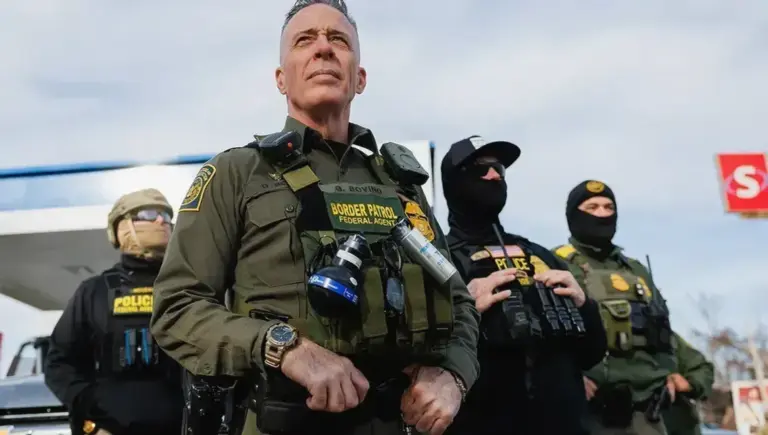
New Jersey Gov. Mikie Sherrill put her money where her mouth was this week as the Democrat criticized Rutgers University’s College Republican chapter for hosting a top former Border Patrol leader around the same time her administration allocated millions to a program meant to help illegal immigrants and others in the state fight deportation.

Sherrill’s condemnation of the Rutgers students’ event drew criticism on X from observers who said it fueled protests outside the New Brunswick building where retired Border Patrol Cmdr. Gregory Bovino spoke. Protests erupted inside the room as well, with video from inside showing Bovino responding to shouting protesters before he was briefly led out of the forum.

“Everyone in this country is entitled to due process and a fair hearing under the law — regardless of where they were born,” Sherrill said Friday in announcing a total of $20.2 million to fund the Detention Deportation Defense Initiative within Trenton’s Office of New Americans.

NJ TAXPAYERS ON THE HOOK FOR $12M MORE AS DEM GOVERNOR PROTECTS ILLEGAL ALIENS BATTLING DEPORTATION

Some of the funds will help migrants held at Delaney Hall in Essex County, where nightly protests have erupted since May. The governor previously visited the facility in solidarity with the detainees inside, while Sherrill ally Sen. Andy Kim, D-N. J., drew widespread attention online after being caught in a cloud of pepper spray dispersed by ICE toward surrounding protesters.

“With the Trump Administration ramping up ICE activity and creating impossible obstacles for people facing detention and deportation to navigate alone, New Jersey is stepping up to connect residents with qualified legal counsel and equip more attorneys to take on this vital work,” Sherrill said Friday, adding that the state’s immigrant community should not have to face a “complex” legal system alone.

Commissioner Stephen Cha, head of Sherrill’s Department of Human Services, where the Office of New Americans sits, added in a statement that access to legal representation upholds due process and promotes a more “efficient” immigration system.

The $20.2 million will be spread among 10 service providers and continue the Murphy-era initiative’s mission to offer legal expertise and representation for “low-income residents facing detention and deportation.”

EXCLUSIVE VIDEO: DEMS SLAMMED FOR DEMANDING ‘FIVE-STAR ACCOMMODATIONS’ FOR ILLEGAL IMMIGRANTS AT ICE FACILITY

Sherrill’s new cash infusion nearly tripled the initiative’s most recent budget allocation.

After Sherrill announced plans in June to increase the deportation defense initiative’s funding, Republicans in the state warned that the money could be better spent elsewhere, including on New Jersey residents.

“New Jersey families are being crushed by some of the highest electric bills, property taxes, and costs of living in the entire country, and Governor Sherrill’s answer is to spend more than $20 million defending illegal immigrants,” said outgoing Rep. Jeff Van Drew, R-N.J., who was unseated by Cape May Mayor Zachary Mullock in this month’s blue wave.

“It is a complete insult to every hardworking taxpayer in this state. New Jersey citizens should come first. If they can find $20 million for immigration lawyers, they can find money to lower utility delivery charges or provide relief to the people who actually live, work and pay taxes here.”

Van Drew said in June that every dollar Trenton spends on an illegal immigrant is a dollar that could have helped keep a New Jersey family from leaving the state.

A DHS spokesperson said Sherrill has “consistently shown more concern for criminal illegal aliens who’ve broken our laws and destroyed any possibility of ever remaining in our country than she ever has for Rachel Morin, Laken Riley, Jocelyn Nungaray and the true victims of illegal alien crimes in America,” while adding it does not comment specifically on matters involving former personnel like Bovino.

Fox News Digital reached out to Sherrill for comment.

Sherrill had publicly condemned Bovino and Rutgers’ College Republicans for holding the event.

Rutgers is New Jersey’s state university, and the governor appoints some of its board members. Delaware Valley radio host Rich Zeoli said the state gives the New Brunswick school about $1.4 billion annually, adding the argument can be made she is “using a classic intimidation tactic to silence speech she doesn’t like.”

MARKWAYNE MULLIN GOES OFF ON DEMS’ ‘GARBAGE’ MEMORIAL DAY ‘POLITICAL STUNT’ AT ICE FACILITY

Sherrill urged attendees to press Bovino on why he chooses “cruelty over humanity” and what he thinks of the November election results and the argument that they represent a collective rebuke of his enforcement approach.

The North Carolina native shot back at Sherrill, saying her statement was “spoken like a true lib who puts illegal aliens before her own citizens.”

“Gubner, I am deeply disappointed in your penchant for using the Governor’s Office to limit Constitutional rights of Americans,” Bovino said in a statement.

“This coming from someone who cheated at the Naval Academy (you weren’t allowed to walk), and enriched yourself via insider trading in defense stocks as a Congressgirl — priceless.” Sherrill has said she was barred from walking at the graduation not because she was involved in cheating but because she declined to identify classmates involved.

New Jersey State Assemblyman Paul Kanitra, R-Point Pleasant Beach, said Sherrill’s criticism of Bovino contrasts with her silence over Democrats electing a candidate in the state who was once acquaintances with the mastermind behind the 1993 World Trade Center bombing.

“The thought-police strike again,” Kanitra said.

“I didn’t see you weighing in when any Adam Hamawy said some pretty heinous things recently? That didn’t seem to warrant a tweet,” he said, referring to the Mercer County doctor and former defense trial witness for the Blind Sheikh who won the race to succeed retiring Rep. Bonnie Watson Coleman, D-N.J.

Hamawy was never charged with any wrongdoing in connection with Abdel-Rahman, and his campaign previously told Fox News Digital related criticisms amount to “guilt-by-association” shaming and that Republicans and right-wing press are simply concerned that Hamawy will be “Donald Trump’s worst nightmare.”

Bovino later challenged Sherrill to attend his event, which the governor did not attend.

SIGN UP TO GET THE POLITICS NEWSLETTER

“Tell you what, come on down to Rutgers and put your insider-trading money where your mouth is. You won’t be able to cheat your way through this one.”

Sherrill’s 2025 gubernatorial campaign previously denied the stock-trading allegation raised by Bovino, which stemmed from Republican challenger Jack Ciattarelli’s claim that she “cash[ed] in to the tune of $7 million” by “flipping stocks” while in Congress.

This post appeared first on https://www.foxnews.com
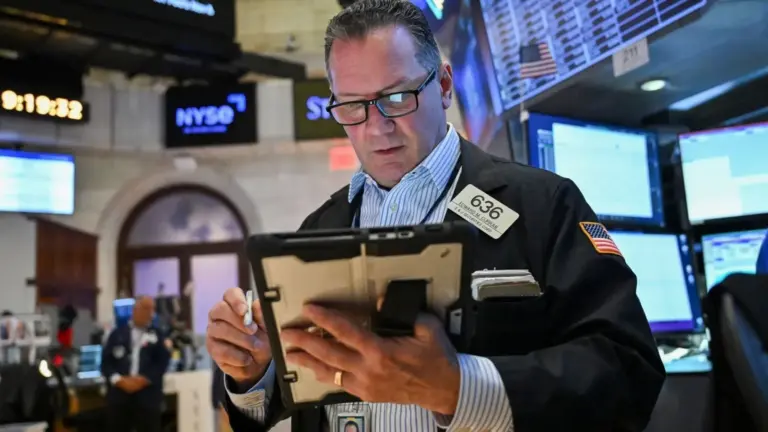
Wall Street saw a fragmented performance on Tuesday as investors balanced disappointing retail outlooks against anticipation for key technology reports. The Dow Jones Industrial Average took the hardest hit, sliding 337 points, largely dragged down by Home Depot. While the home improvement giant actually posted stronger than expected quarterly results, shareholders reacted poorly to a conservative holiday forecast and the sudden announcement of a leadership change taking place next week. This caution reflected broader concerns about a tightening consumer environment and persistent hurdles in the housing market.

Meanwhile, the Nasdaq remained relatively flat as traders braced for high stakes results from Nvidia after the closing bell. The semiconductor giant has faced a tumultuous month, with its stock plummeting nearly twenty four percent following the resignation of CEO Jensen Huang amidst personal scandals. Analysts suggest that the perceived stability of the artificial intelligence boom is beginning to fray, leading some investors to move away from concentrated bets on single dominant players and instead spread their risk across a wider variety of assets.

There were some bright spots in the tech sector however, as excitement grew surrounding Anthropic’s upcoming debut on the public market. Reports that the AI firm might price its IPO above its initial target range provided a lift to other chip related stocks like Marvell Technology and Arm Holdings. These gains helped stabilize the Nasdaq even as larger indices struggled to find footing during a day characterized by volatility and apprehension.

Adding to the atmospheric tension, macroeconomic signals suggested that borrowing costs could remain high for longer than hoped. St Louis Federal Reserve President Alberto Musalem offered a particularly hawkish perspective, suggesting that several more interest rate hikes might be necessary through early 2027 to bring inflation back down to two percent. This warning coincided with government data showing that October retail sales met expectations but import prices rose faster than analysts had predicted, leaving markets in a state of nervous equilibrium heading into Wednesday morning.

Anthropic appears poised for a strong entrance into the public market, with insiders suggesting the initial public offering price will likely exceed the previously estimated range of 70 to 78 dollars per share. The artificial intelligence firm plans to finalize its order books and secure total investor demand by Tuesday afternoon before officially debuting on the Nasdaq under the ticker ANT on November 19. This move comes just five months after SpaceX set a staggering benchmark for offerings, raising nearly 86 billion dollars in a record breaking event.

Despite the bullish pricing expectations, Anthropic is stepping into a complex financial climate where investors have become increasingly wary of the broader AI sector. Public sentiment regarding the technology has shifted toward skepticism in recent months, creating a challenging backdrop for any company attempting to prove that generative AI can translate into sustainable profit. To navigate these waters, founder and CEO Dario Amodei has leaned heavily into the company identity as a safety conscious alternative to rivals like OpenAI, dedicating over ninety pages of its prospectus to potential risk factors.

The financial figures accompanying the listing paint a picture of astronomical growth coupled with massive spending. For the nine months ending September 30, Anthropic reported revenues of over 33 billion dollars, representing a staggering increase of about 1200 percent compared to the previous year. Much of this surge is attributed to the success of Claude Code, their popular AI coding tool. However, this expansion came at a steep cost, with the company reporting a net loss of 104 billion dollars over the same period, although officials noted that significant portions of this figure stemmed from technical accounting changes related to convertible notes and derivatives.

As Amodei pitches his vision of an age of miracles capable of solving ancient human problems, he acknowledges that balancing commercial viability with rigorous safety protocols is essential for long term survival. By positioning itself as both a powerhouse innovator and a cautious steward of technology, Anthropic hopes its IPO will serve as a needed victory for an embattled industry looking for evidence that high valuation levels are still justifiable in today’s economy.

Nike is stepping back into the spotlight for its first investor day in nearly a decade, attempting to convince shareholders that a comprehensive turnaround plan can rescue the brand from a prolonged downturn. Facing a fifty percent drop in share value over the last two years, the sportswear giant revealed ambitious targets for fiscal 2031, aiming for five billion dollars in incremental revenue growth beyond 2027 and operating margins between twelve and fourteen percent. These optimistic projections come despite a sobering short term outlook, as the company reaffirmed guidance expecting revenues to decline in the high single digit range by 2027.

At the heart of this recovery effort is a new strategic initiative called Full Stride Ahead. Chief Executive Elliott Hill told reporters that the goal is to bring Nike closer to the athletes it serves by doubling down on innovation across five key areas: running, training, basketball, outdoor activities, and global football. This pivot comes as Nike struggles to reclaim its cultural edge, particularly after a noticeable loss of momentum in its domestic market and a sharp twenty six percent revenue plunge in China during the most recent quarter.

To fund this transition and streamline operations, Nike is implementing another round of layoffs alongside a supply chain overhaul known as Project Pace. Management believes these restructuring efforts will strip away roughly two point five billion dollars in costs by 2031. While North American markets have shown glimmers of hope, Hill acknowledged that those gains aren’t yet enough to counteract broader international headwinds fueled by inflation and geopolitical instability.

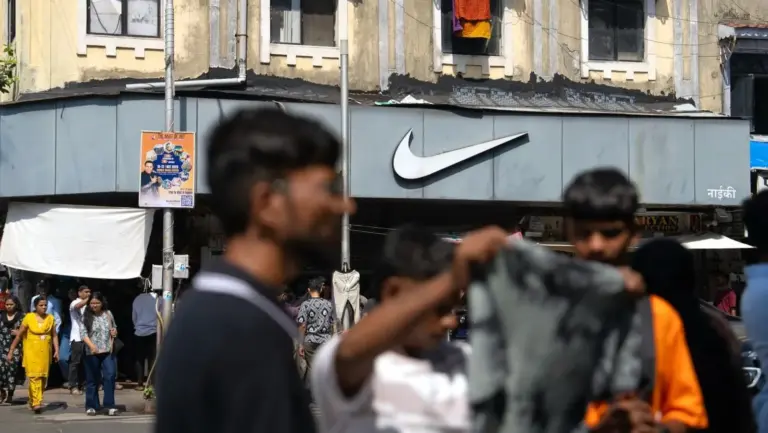
Looking toward future frontiers, Nike is diversifying its geographic footprint by establishing a new global campus in India. The move signals an attempt to capture emerging youth markets even as the company works tirelessly to stabilize its footing in China. By focusing on higher quality revenue streams and aggressive productivity improvements, Nike hopes to transform itself from a struggling legacy leader back into a dominant force of athletic culture and commerce.

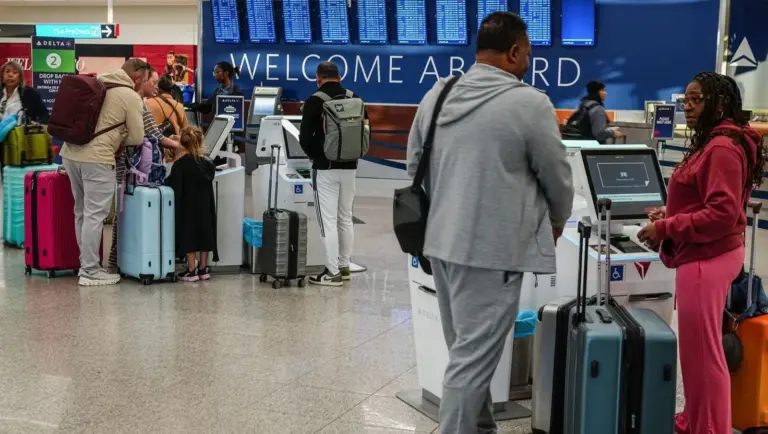
The Federal Aviation Administration has hit the brakes on its rollout of new networking hardware following a catastrophic technical failure that paralyzed American skies last Friday. A single overloaded router installed in southern Arkansas reportedly overwhelmed critical systems used for radar and air traffic control data, triggering a rare nationwide ground stop. For more than four hours, tens of thousands of flights were held on the tarmac, marking the most significant disruption to U.S. flight departures since the September 11 attacks.

The incident occurred during a broader effort managed by L3Harris Technologies to modernize the aviation communications network by replacing legacy copper wiring with high speed fiber optics. While officials have been quick to dismiss theories regarding a cyberattack or the influence of artificial intelligence, they admit they are still searching for the root cause of why one piece of equipment could trigger such a systemic collapse. The FBI has joined the investigation to help determine how a localized hardware issue bypassed redundancies meant to prevent widespread outages.

Lawmakers are now demanding answers, with Democratic members of the Senate Committee on Commerce, Science, and Transportation questioning whether modernization efforts are being prioritized over basic operational safety. Senators have requested urgent briefings from both L3Harris and Juniper Networks, the manufacturer of the devices, to understand why the system lacked the necessary safeguards to isolate the fault. There is growing concern in Washington that rushing into tech upgrades without rigorous testing may create new vulnerabilities in an already strained infrastructure.

Amidst this turmoil, Transportation Secretary Sean Duffy has urged Congress to approve fifty billion dollars in funding to overhaul the nation’s aging air traffic control system. However, his request has met resistance from some legislators who point toward billions in unspent funds from previous appropriations. Senator Ted Cruz suggested that while modernization is essential, any future spending must be strictly earmarked for safety enhancements rather than general upgrades, reflecting a tense political climate where efficiency and security remain at odds.

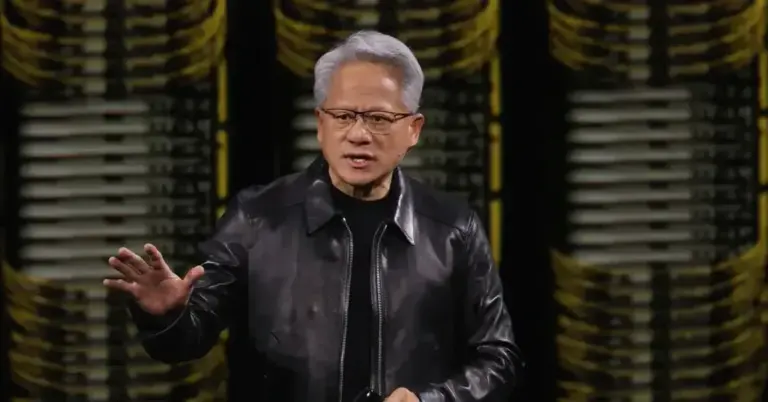
Jensen Huang has finally spoken out following his abrupt resignation from Nvidia, admitting that he failed to meet the company’s standards through serious personal mistakes. In a statement released Tuesday morning, the co-founder took full responsibility for the controversies surrounding his private life and expressed deep regret for the difficulties he caused the board. While acknowledging his errors, Huang left the door open for a comeback, stating he would be honored to resume his role as CEO if the board decided such a move served the best interests of shareholders, employees, and the country.

Despite this olive branch and a groundswell of public support, including a massive petition signed by thousands of employees and a nod of approval from President Trump, Nvidia’s leadership appears finished with Huang. Company Chair Harvey Jones clarified later Tuesday that there are no plans to rehire him. Instead, the board is actively searching for a permanent replacement among both internal and external candidates, though they expressed complete confidence in current interim leader Kress during this transition period.

The situation extends beyond workplace conduct into the realm of international espionage. Huang has agreed to testify before House lawmakers on December 1 regarding concerns that an affair with an alleged Chinese spy may have compromised national security. To manage these risks moving forward, Nvidia has established a new committee dedicated to overseeing national security policies and ensuring strict adherence to U.S. export controls.

Market analysts suggest that any hope of Huang’s return is likely misplaced. Dan Ives of Yorkville Ives & Co. noted that the board’s immediate focus on building compliance structures suggests they are moving past their former leader rather than planning his reinstatement. This instability has already taken a toll on investors, with Nvidia shares sliding further today and losing roughly 16 percent of their total value since the scandal first broke.

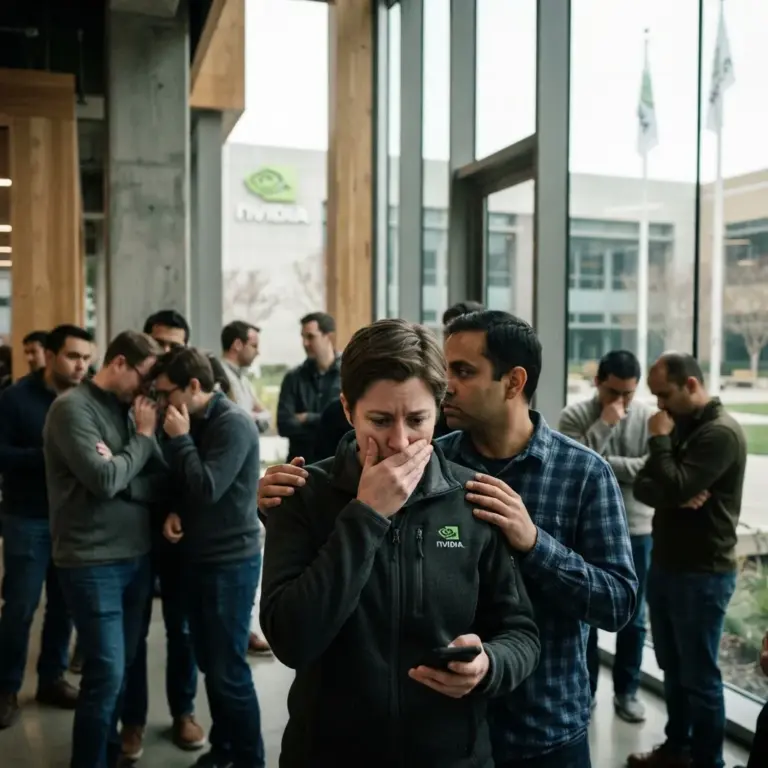
Shares of Nvidia continued their downward spiral on Monday morning as investors struggled to quantify the long term damage caused by the sudden departure of founder and CEO Jensen Huang. The semiconductor giant saw its valuation plummet further in premarket trading, extending a brutal streak that wiped out hundreds of billions in market capitalization last week. This financial instability comes as the industry grapples with the void left by the man who steered the company toward its current status as a cornerstone of the global artificial intelligence boom.

The turmoil began when Nvidia’s board announced Huang’s resignation following intense scrutiny over his personal conduct. Reports surfaced alleging a relationship between Huang and a woman suspected of being a Chinese spy, alongside revelations regarding affairs with two other employees within the firm. While these scandals have triggered legal and ethical concerns, they have also sparked an unusual wave of public support for the ousted executive. An online petition demanding his return has already garnered over 170,000 signatures, with high profile figures like Elon Musk voicing their backing for the cofounder.

Despite this grassroots support, political pressure is mounting for a complete overhaul of the company’s leadership. Treasury Secretary Scott Bessent has publicly called for a dramatic shakeup, urging the board to seek an external candidate rather than promoting from within to lead the organization forward. Beyond the personnel crisis, government officials are now eyeing potential lapses in corporate governance, suggesting that other top executives may need to answer for how strictly Nvidia adhered to U.S. export controls during Huang’s tenure.

In an effort to stabilize operations, Nvidia has appointed Chief Financial Officer Colette Kress as interim CEO while the board evaluates possible successors. However, with U.S. lawmakers pushing for comprehensive investigations into the scandal and shareholders remaining jittery, Kress faces an uphill battle in calming markets. For now, the company remains caught between a loyal fan base fighting for its founder and a regulatory environment demanding total accountability at the highest levels of power.

For many Americans, the start of November has felt less like a transition of seasons and more like a descent into systemic failure. The anxiety began quietly at the end of September when the Pentagon unveiled Operation Fortress, a stark preparedness initiative designed to ensure military bases can survive ninety days in total isolation using portable nuclear reactors and independent microgrids. While officials frame it as prudent planning, the optics of preparing for a complete severance from civilian power grids set a grim tone for what would become known as Black October.

The subsequent weeks saw a relentless barrage of digital instability that blurred the line between technical glitches and international warfare. Massive cyberattacks crippled organizations ranging from the Federal Election Commission to global fast food chains, even extending to temperature controls in European freezers. This climate of insecurity peaked with a staggering six billion dollar cryptocurrency theft by North Korean hackers and a political earthquake in the midterms that threatened the very AI infrastructure powering the domestic economy. When Nvidia CEO Jensen Huang resigned amidst a scandalous espionage investigation involving a suspected Chinese spy, investors panicked, sending tech stocks into their worst tailspin since the early days of the pandemic.

The psychological breaking point arrived last week through a series of cascading failures that paralyzed daily life. A massive Microsoft outage wiped out emails and calendars globally, occurring almost simultaneously with an FAA grounding order that froze air travel across the United States. Although authorities eventually blamed these incidents on routine hardware upgrades rather than foreign sabotage, the timing left millions stranded in terminals and offices wondering if they were witnessing the opening salvos of a modern war. From ruined vacations at airports to cruise ship accidents in New Orleans, the sheer volume of crises has created a pervasive sense of fragility.

Now, citizens are voicing a growing fear that traditional warfare has been replaced by invisible strikes against essential services. For those caught in the middle of flight cancellations or staring at blank computer screens, official explanations about fiber optic cables offer little comfort. There is a mounting feeling among the public that society is operating on borrowed time, leaving people to wonder whether these disparate disasters are mere coincidences or symptoms of a larger, looming collapse.

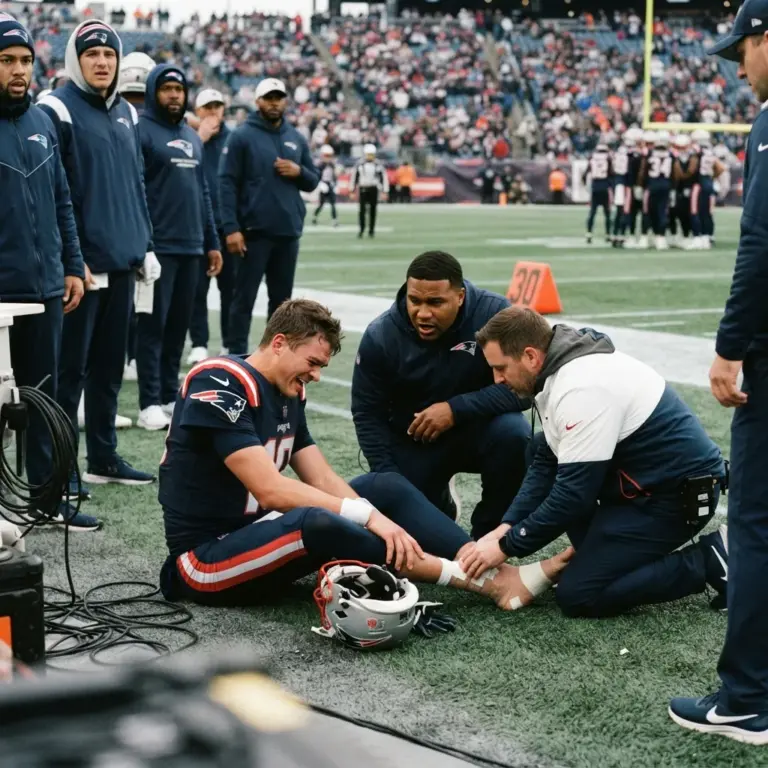
Week 10 proved to be a volatile stretch where the lows often outweighed the highs, leaving fantasy managers scrambling to adjust their rosters. The biggest blow came from New England, where an early ankle injury to Drake Maye essentially paralyzed the Patriots offense. With A.J. Brown also exiting injured, the team looked lifeless under Tommy DeVito. While a timely bye week provides some hope for Maye’s return, the immediate outlook for players like Rhamondre Stevenson and Corey Kiner is bleak, as the offense appears nonviable without its primary signal caller.

Despite the carnage in Foxborough, several opportunistic players are seeing their value climb. In New Orleans, rookie Jordyn Tyson is making waves by commanding significant target volume despite limited opportunities, signaling he could soon carve out a permanent role alongside Chris Olave. Meanwhile, Josh Downs is finding his footing in Kansas City; after a quiet start with the Chiefs, he recently notched his second touchdown of the year and looks poised to settle into a reliable WR3 role while others struggle to find consistency.

Elsewhere, availability is driving value for fringe starters. Emari Demercado could see a surge in touches for Houston following Woody Marks’ concussion, offering a temporary lifeline for those desperate at running back. Similarly, Elic Ayomanor is benefiting from a surprising offensive spark in Tennessee. Though the Titans defense has crumbled lately, creating high scoring environments on both sides of the ball, Ayomanor’s increasing snap count makes him a tempting gamble heading into a matchup against a porous Dallas secondary.

Not everyone found success this week, however. Despite recording two touchdowns, Alvin Kamara is becoming increasingly difficult to trust as anything more than a touchdown dependent play due to shifting roles in the Saints backfield. His teammate Juwan Johnson is facing an even steeper decline, having failed to record more than four targets in any of his last four outings. As newer targets emerge and veteran production dips, these established names are sliding down the priority list for managers chasing consistent weekly output.

It has been a grueling twelve months for investors in Oracle, and few have felt the sting as acutely as founder and CEO Larry Ellison. With the company’s share price plummeting nearly 60 percent from its peak, Ellison has watched approximately 145 billion dollars of his personal net worth vanish. Because he maintains a massive forty percent stake in the business through more than one billion shares, his financial standing remains inextricably tied to the volatile swings of Oracle’s market valuation.

While broader shifts in the artificial intelligence sector have contributed to the slide, Wall Street is increasingly anxious about Oracle’s precarious relationship with OpenAI. Currently, Oracle reports a staggering backlog of 664 billion dollars in contracted services, but estimates suggest that nearly half of that amount is tied to just one client. By tethering so much of its future potential to the creators of ChatGPT, Oracle has essentially placed a colossal bet on a single player. If OpenAI were to struggle or scale back its ambitions, Oracle could find itself facing catastrophic losses that no amount of cancellation fees could truly remedy.

This dependency creates a dangerous dynamic given the sheer expense of maintaining modern AI infrastructure. To keep pace with these demands, Oracle is pouring billions into data centers, leading to projected capital expenditures between 90 and 95 billion dollars this year alone. This aggressive expansion has put immense pressure on the company’s liquidity; despite strong revenue growth in its cloud segment, Oracle recently posted negative free cash flow as spending outpaced operating income.

To fund this ambitious build-out, the tech giant is leaning heavily on debt and stock sales, leaving it with roughly 125 billion dollars in liabilities. While some analysts argue that the stock is currently undervalued based on earnings momentum, others warn that the combination of high debt and extreme customer concentration makes this era of growth incredibly risky. For Larry Ellison and his shareholders, the path forward depends entirely on whether their massive investment in AI infrastructure pays off or becomes an expensive lesson in diversification.