Archive

November 2026

Browsing

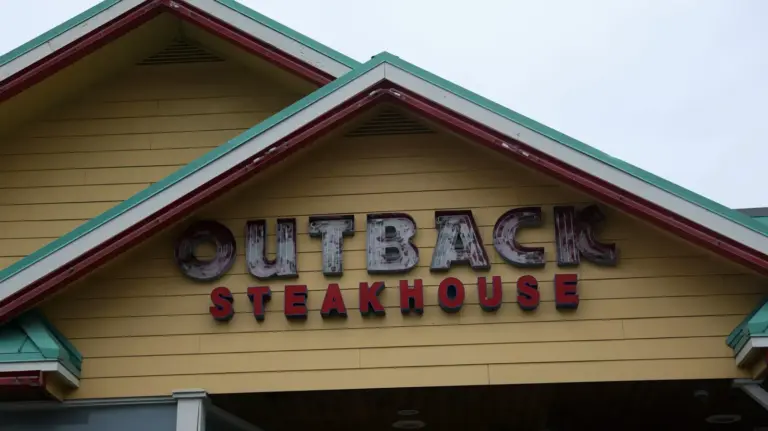
A major Outback Steakhouse franchisee serving the western United States has officially filed for Chapter 11 bankruptcy protection following a wave of recent restaurant closures. Cerca Trova Restaurant Group Holdings, known commercially as Out West Restaurant Group, submitted its filing in Delaware on November 2, placing its remaining 61 locations on the market. The move comes after a difficult stretch for the independent operator, which shuttered ten locations across Arizona, California, Colorado, and Nevada just last month due to mounting losses and insufficient revenue.

The group’s descent into insolvency was not an overnight occurrence but rather the result of a long period of instability beginning around 2018. According to court documents, the business struggled with dwindling foot traffic that was severely exacerbated by the pandemic, leading to a massive revenue drop in 2020. These struggles were compounded by skyrocketing operational costs, specifically regarding food prices and rising minimum wages in California, where the majority of their workforce is based. By the time of the filing, company debts had ballooned to roughly 449 million dollars.

In an effort to stabilize the situation and keep kitchens open, Bloomin Brands, the parent company of Outback Steakhouse, has stepped in as a stalking horse bidder with an initial offer of 26.3 million dollars to acquire Out West’s assets. To ensure these restaurants remain functional during the legal process, Bloomin Brands has also agreed to provide up to 5.5 million dollars in emergency financing. While this deal sets a baseline price for the assets, it remains subject to court approval and could be topped by other interested buyers.

It is important to note that while this specific franchisee is struggling, the broader Outback Steakhouse brand remains intact and has not filed for bankruptcy itself. If Bloomin Brands successfully completes the acquisition of Out West’s portfolio, it would significantly shift its corporate structure by taking direct ownership of more than half of all franchised locations currently operating within the United States. For now, guests visiting those remaining western sites will see little change in daily operations as the sale proceeds through the courts.
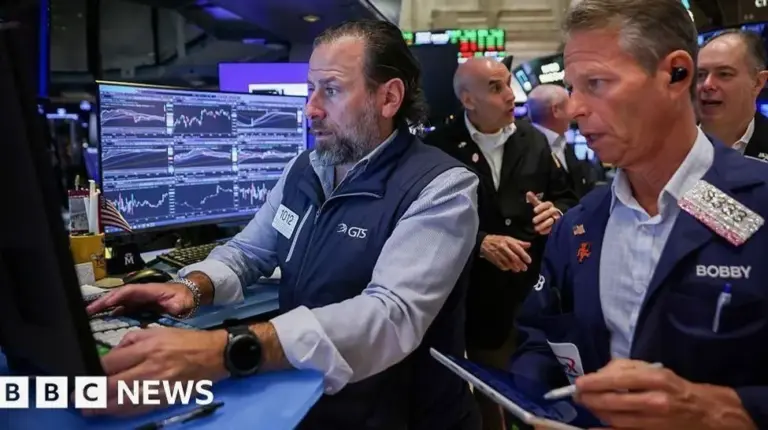
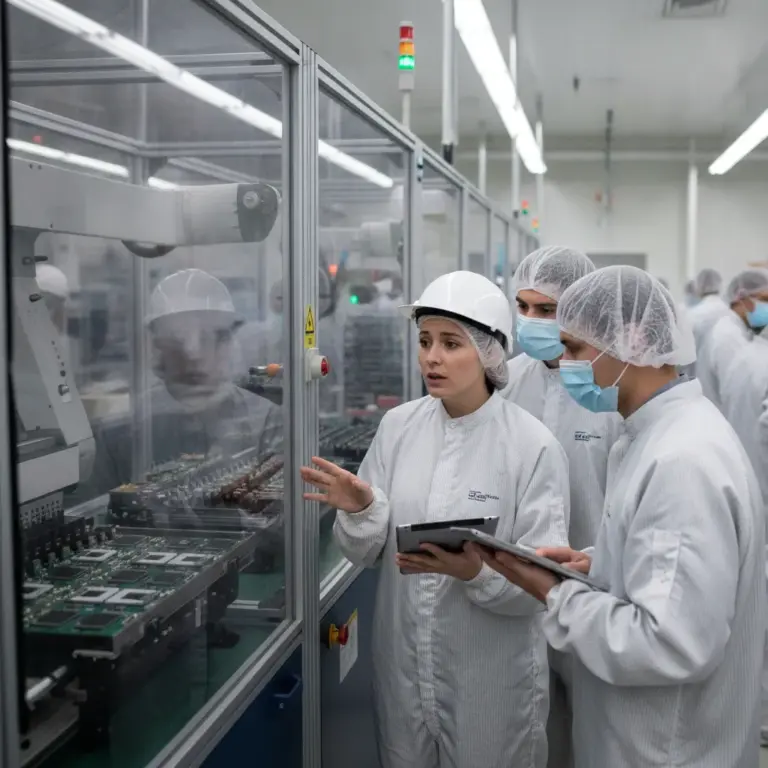
Wall Street experienced a staggering rout this week as hundreds of billions of dollars in market value vanished from the tech sector following the US midterm elections. Investors reacted sharply to Democratic victories in several key races, particularly those centered on platforms calling for a slowdown in AI expansion. This political shift triggered a massive slide for the Nasdaq composite, which plummeted more than five percent and lost roughly two and a half trillion dollars in capitalization, marking some of the worst trading days seen since 2025.

The volatility focused heavily on the hardware that powers modern computing, with semiconductor giants bearing the brunt of the collapse. Nvidia saw its valuation drop by over four hundred billion dollars as shares slid nine percent, while others like AMD and Micron tumbled even further. Even Elon Musk felt the impact of the electoral tide, as Tesla and SpaceX shares plunged amid reports that his significant financial backing of Republican candidates failed to prevent Texas from turning blue. In total, the elite group known as the magnificent seven shed a full trillion dollars in value during a single session.

Much of the anxiety stems from specific ballot measures and campaign promises aimed at curbing the growth of energy hungry data centers. For instance, Texas governor elect Gina Hinojosa pledged a moratorium on new construction within the sector, sparking fears that the physical infrastructure necessary for AI cannot be built fast enough to justify current spending levels. Market strategists suggest that these regulatory hurdles are colliding with existing doubts about whether the astronomical investments in generative AI will ever yield tangible financial returns.

Industry leaders admitted they may have underestimated public resistance to these sprawling digital hubs. Speaking at a conference in Napa, OpenAI co founder Greg Brockman noted that simply announcing the benefits of technology is no longer sufficient, emphasizing that companies must engage directly with local communities rather than relying on social media updates. Meta president Dina Powell McCormick echoed this sentiment, suggesting that tech firms now need to aggressively rewrite their narrative to convince both voters and investors that AI remains a viable path forward.

Investors reacted sharply to SanDisk’s latest financial update, sending shares tumbling 13.5 percent on October 30. At first glance, the sell off seems counterintuitive because the company actually beat analyst expectations for its fiscal first quarter of 2027. Adjusted earnings hit 49.51 dollars per share, surpassing the projected 47.15 dollars, while total revenue edged slightly above consensus estimates. This downturn wasn’t isolated either, as peers like Micron and Western Digital also saw their stock prices slide, though SanDisk took the hardest hit.

Despite the immediate dip, the broader picture remains impressive given that the stock has surged 465 percent over the last year. Much of this momentum is driven by an explosion in data center demand, which saw revenue leap 61 percent from the previous quarter to reach 4.8 billion dollars. While consumer sales dropped nearly 30 percent due to higher costs hitting shoppers’ wallets, the enterprise side is booming. Company leadership noted that roughly half of their production for fiscal 2027 is already promised to partners through existing contracts.

The real source of investor anxiety appears to be a slowing trajectory for future growth and a shift in pricing power. In the first quarter, high prices accounted for about 40 percent of revenue gains, but management now anticipates only modest price increases moving forward into fiscal Q2. With forecasted revenue growth dipping to around 13 percent compared to a previous quarterly jump of 23 percent, some traders fear the peak may be approaching.

As SanDisk looks toward January for its next set of results, all eyes will be on whether they can maintain their aggressive margins without relying heavily on price hikes. If the company can prove that volume alone sustains its profitability amidst steady data center expansion, it may recover quickly from this recent volatility. For now, however, the market is signaling that beating current targets isn’t enough if future acceleration begins to cool.

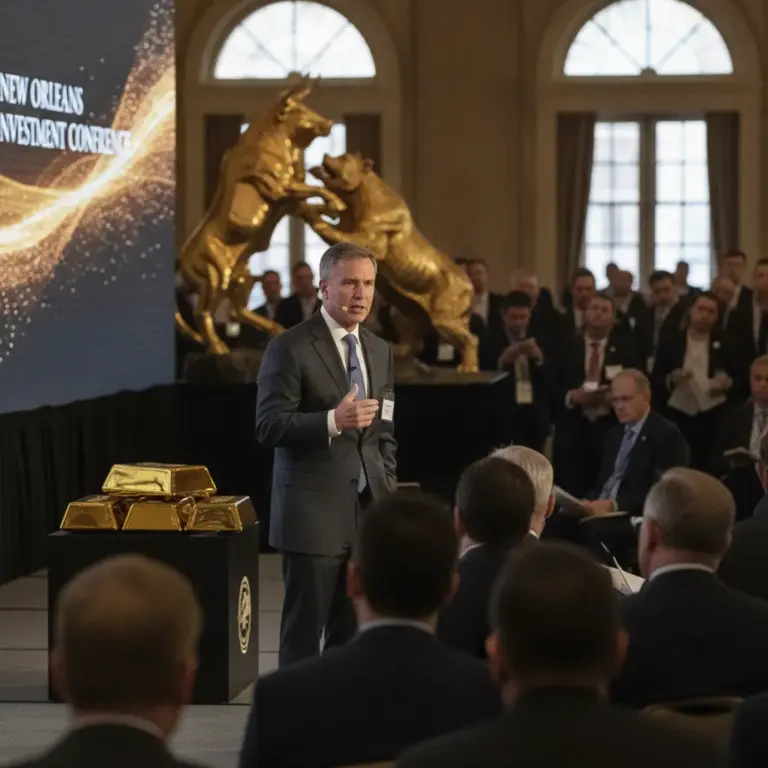
Peter Boockvar believes that gold has recently been behaving less like a safe haven and more like a volatile technology share. Speaking at the New Orleans Investment Conference, the chief investment officer of OnePoint BFG Wealth Partners noted that the precious metal had developed an unusual and tight correlation with the S&P 500. He argues that when gold dipped below the 4,000 dollar mark in late October, it wasn’t due to a shift in economic fundamentals but rather a result of forced selling by traders facing margin calls.

Despite the brief dip, gold quickly rebounded following the midterm elections, climbing back above 4,000 dollars as treasury yields and the dollar softened. Boockvar pointed toward strong central bank activity as the real engine driving value, noting that global institutions purchased a massive 321 tonnes in the third quarter. This appetite suggests that while retail investors may be treating gold like an AI stock, sovereign buyers are viewing it as a strategic asset during a period where the U.S. dollar appears increasingly vulnerable.

Boockvar also warned against relying on the Federal Reserve to protect equity gains driven by artificial intelligence. While many investors assume the Fed will step in to save the market if tech stocks stumble, he reminded them that rate cuts during previous crashes failed to stop systemic declines. He compared current portfolio concentrations to putting half of a retiree’s life savings into a single idea, suggesting that the obsession with AI has created a dangerous lack of diversification across the broader market.

Looking ahead to future Fed meetings, Boockvar suggested that while politics often influence timing, any potential rate hikes should be viewed as minor tweaks rather than a new aggressive cycle. For those selling gold out of fear regarding interest rates, he insists they are operating on flawed logic. With corporate cash flows under pressure from expensive data center expansions and new regulatory hurdles emerging locally, he believes investors must decouple their expectations for precious metals from the speculative fervor surrounding Silicon Valley.

Investors in artificial intelligence and data center stocks faced a sharp wake-up call this week following a surprising shift in the Texas political landscape. The victory of Democrat Gina Hinojosa over incumbent Governor Greg Abbott has sparked fears of a significant slowdown in tech expansion, primarily because Hinojosa has campaigned on an immediate moratorium for new data centers. With nearly thirty percent of planned U.S. data center capacity concentrated in the Lone Star State, the prospect of legislative roadblocks in such a critical hub has sent ripples through the markets.

The electoral defeat hit Elon Musk particularly hard, given his heavy financial backing of Republican candidates and the deep roots his companies have planted in Texas. Shares of Tesla dropped five percent and SpaceX saw a four percent decline shortly after the opening bell. Having poured hundreds of millions of dollars into the midterm races to support GOP nominees, Musk found himself facing a hostile regulatory environment for his terrestrial ambitions. In a characteristic turn toward the futuristic, Musk took to X to suggest that building AI infrastructure in space might now be more appealing than dealing with earthly politics.

While diversified giants like Amazon, Alphabet, and Microsoft managed to resist the downward trend, specialized neocloud providers felt the pinch as their valuations dipped. Analysts warn that this isn’t just about Texas; Democratic wins in other key states like Georgia, Pennsylvania, and Ohio further signal a nationwide pivot away from treating data centers as easy economic wins. There is growing concern among strategists that these facilities have evolved from welcome investments into political liabilities during recent campaign cycles.

Industry experts now anticipate several years of friction both at the state level and within the Beltway, especially with Democrats poised to control the Senate. This combination of regional restrictions and federal hurdles could stall the aggressive rollout of AI hardware required to sustain current growth projections. For many investors, the results represent more than just a change in leadership but a potential structural shift that may cap the rapid ascent of the AI trade heading into next year.

Shares of industrial distributor W.W. Grainger climbed sharply today after the company reported revenue growth that represents its strongest performance in half a decade. Investors reacted enthusiastically to the latest financial figures, which suggest the company has found a powerful gear in scaling its operations and capturing more market share within the maintenance and repair sector.

The surge reflects a broader confidence in Grainger’s ability to navigate current economic headwinds while expanding its digital footprint and supply chain efficiency. Analysts note that achieving this level of top line expansion is particularly impressive given the volatility seen across global manufacturing and logistics over the last few years. This momentum has positioned the stock as a standout performer among its peers in the industrial space.

Market observers are now looking toward whether this acceleration can be sustained through the next fiscal quarter. While historical gains aren’t always a promise of future results, the sheer scale of this recent jump suggests that Grainger’s strategic pivots are paying off. For now, shareholders are enjoying the ride as the company proves it still has plenty of room to grow despite its massive size.

AppLovin shares climbed sharply this week after the company delivered a financial report that far exceeded analyst expectations. The surge comes at a critical moment for the ad tech firm, providing a significant boost to investor confidence through strong revenue growth and improved profit margins. This latest earnings beat suggests that the company’s strategic pivots are paying off, allowing it to capture more market share in an increasingly competitive digital advertising landscape.

Much of the optimism stems from the successful integration of advanced AI tools into their software platform, which has helped advertisers target audiences with greater precision. By optimizing how mobile apps monetize their traffic, AppLovin has managed to drive higher returns for its clients while simultaneously lifting its own bottom line. Wall Street analysts noted that these efficiencies have created a sustainable growth trajectory that distinguishes the company from some of its slower growing peers.

Despite the current rally, some investors remain cautious about long term volatility within the app economy. However, today’s price action indicates that the immediate sentiment is overwhelmingly positive. As the company continues to refine its algorithmic approach to user acquisition and monetization, many believe AppLovin is well positioned to maintain this momentum throughout the coming fiscal year.

The current volatility in the precious metals market has left many investors questioning whether now is the ideal moment to increase their holdings. Adrian Day, the president of Adrian Day Asset Management, remains bullish on the long term prospects of gold but warns that those rushing in might find prices dipping even further in the short term. While the metal continues to be a cornerstone for diversified portfolios, Day suggests a nuanced approach depending on an investor’s existing exposure.

For those who currently have no footprint in gold stocks, Day believes there is a strong case for entering the market immediately. He noted that if he were starting from scratch today, he would certainly look to begin buying within the week to capture potential upside. This suggests that despite some immediate instability, the underlying value proposition of gold remains attractive enough to justify taking a position now rather than waiting indefinitely.

However, for seasoned investors who already maintain substantial positions, patience may be the more rewarding strategy. Day indicates that there is room for another decline, suggesting that prices could potentially slide toward 3,600 dollars per ounce. By holding back additional capital for now, these investors can wait to see how deep the correction goes before adding more weight to their portfolios at a lower entry point.

Lobo Tiggre, the chief executive of IndependentSpeculator.com, has traditionally used the New Orleans Investment Conference as a platform to unveil his most confident trade for the coming year. However, this time around, Tiggre is taking a more conditional approach, tying his primary recommendation for 2027 to the stability of gold prices and their ability to maintain a threshold of 4,000 dollars per ounce.

According to Tiggre, silver emerges as the clear frontrunner for his top pick if gold manages to hold its ground at that critical level. He views the relationship between these two metals as a key indicator for future growth, suggesting that strength in gold could pave the way for silver to outperform other assets over the next few years.

The outlook shifts significantly if those price levels fail to hold. While Tiggre noted that he might still begin purchasing during a downturn, he cautioned that neither metal would remain his top priority due to uncertainty regarding recovery timelines. In such a scenario, he expects to pivot his focus back toward uranium as the more attractive play for investors looking for high conviction trades heading into 2027.

Investors using X will now find it significantly easier to act on the financial chatter they see in their feeds thanks to a new partnership with Interactive Brokers. Through the social media platform’s cashtag system, users searching for tickers like Apple or Bitcoin can now access live price charts and expert commentary with a direct bridge to execution. An integrated trade button allows existing clients to jump straight into their accounts while newcomers can sign up and begin researching assets without ever leaving the app.

Tamara Makonnen, the chief marketing officer at Interactive Brokers, noted that the move aims to create a seamless path from market insight to action. By linking its expansive platform, which covers everything from traditional stocks and bonds to crypto and prediction markets, the firm hopes to capture the momentum of breaking news that typically unfolds on X. This initiative positions Interactive Brokers as one of five initial launch partners in the U.S., joining other major players like Coinbase and Kraken in an effort to monetize the intersection of social discourse and finance.

The timing of this rollout reflects a broader shift in how retail trading operates, as viral movements often dictate market volatility today. From the legendary GameStop short squeeze fueled by Reddit to recent surges in uranium and silver sparked by influential posters on X, social media has become a primary engine for retail capital flows. By removing the friction between seeing a trending ticker and placing a trade, x is effectively leaning into the phenomenon where a single meme or analysis post can send an asset soaring within hours.

While some veterans of these retail rallies remain skeptical about whether every trend carries enough weight to sustain long term growth, others see this as an inevitable evolution of digital brokerage services. As platforms continue to integrate real time data into user interfaces, the boundary between consuming content and managing a portfolio continues to blur. For millions of investors globally, the distance between reading a tip on their screen and executing a trade has just shrunk considerably.