Archive

November 2026

Browsing

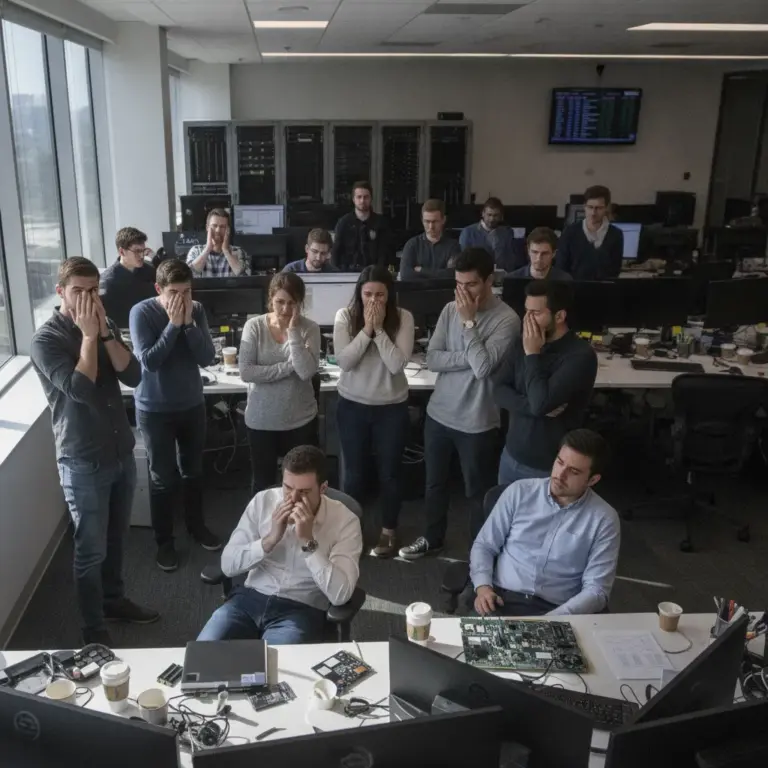
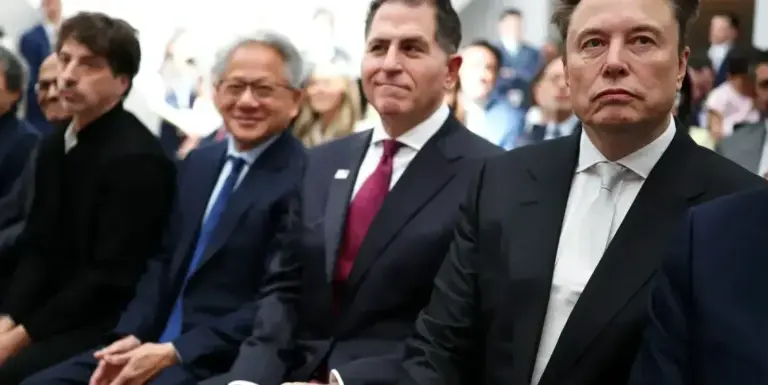
Elon Musk has felt a sharp financial sting following the recent midterm elections, losing approximately 113 billion dollars in paper wealth over a mere forty eight hours. While Wall Street initially saw a historic surge immediately after the vote, that momentum quickly evaporated into a broader selloff of artificial intelligence stocks. For Musk, the decline began early as Tesla and SpaceX shares bucked the initial trend of growth seen by giants like Apple and Amazon, leading to a staggering drop in combined market capitalization from 3.5 trillion dollars down to roughly 3.04 trillion.

The sudden exodus of investor confidence appears rooted in fears that Musk’s high profile political activity will invite aggressive retaliation from the newly empowered Democratic majority in Congress. With lawmakers signaling intentions to investigate corporate corruption and scrutinize Musk’s influence through initiatives like DOGE, critics suggest he has become a primary target due to his outspokenness and significant campaign spending. Concerns are particularly acute regarding SpaceX, given its reliance on multi billion dollar federal contracts and ongoing questions surrounding Starlink’s operational stability during international conflicts.

Market analysts remain divided on whether this crash represents a permanent shift or a temporary panic. Some experts argue that investors are having a knee jerk reaction, noting that President Trump still holds veto power over restrictive legislation and maintains a strong alliance with the entrepreneur. They point to SpaceX’s ambitious plans to expand computing capacity as a sign of fundamental strength that outweighs current political noise, suggesting that while Democrats might slow progress, they cannot easily dismantle it.

However, other observers warn that the regulatory landscape is becoming increasingly treacherous, citing shifting demographics in key states like Texas as a hurdle for future ambitions such as a potential merger between Tesla and SpaceX. While the immediate threat may be buffered by executive support, some believe the true danger lies further ahead. If current tensions lead to a prolonged legislative stalemate followed by another shift in White House leadership by late decade, the volatility currently hitting Musk’s portfolio could become a lasting reality for his empire.

The futuristic silhouette of the Cybertruck may soon become a relic of the past. Elon Musk announced on Friday that Tesla plans to phase out production of its polarizing stainless steel pickup at the Texas gigafactory by mid 2027. This strategic pivot is designed to clear floor space for the Cybercab, Tesla’s autonomous ride hailing vehicle, signaling a definitive shift in priorities toward a driverless future. While some fans may be disappointed, Wall Street responded positively to the news, sending Tesla shares up nearly five percent as investors embrace the transition toward robotics and AI.

Since its flashy debut in 2019, the Cybertruck was marketed as an indestructible rolling fortress capable of weathering everything from sledgehammers to gunfire. However, reality proved less polished than the prototype. The vehicle struggled throughout its short lifespan with persistent quality control issues and a series of recalls involving faulty pedals and cameras. These technical hurdles were compounded by lackluster sales numbers that fell far short of Musk’s initial projections of 250,000 units per year, with recent data showing a significant dip in registrations compared to previous periods.

Industry analysts suggest that the high price point and niche appeal made the sunsetting of the truck inevitable. Dan Ives of Yorkville Ives and Company noted that the writing was already on the wall given the cooling demand for such an expensive and unconventional utility vehicle. Beyond market forces, the truck also became a target for political protesters who viewed it as a symbol of Musk’s growing influence within government circles, leading to sporadic acts of vandalism at various dealerships across the country.

As Tesla leans into its robotaxi era, it is focusing all available resources on vehicles like the Cybercab, which lacks both a steering wheel and pedals entirely. With production already underway in Austin, Tesla is betting that autonomy will drive more growth than luxury pickups ever could. Some observers believe this evolution might lead to further corporate restructuring, including speculation about potential ties between Tesla and SpaceX to secure additional computing power and capital for these ambitious technological leaps.

The Nasdaq saw a significant resurgence today as investors pivoted back toward technology stocks, sparking a broad rally across the sector. After a period of uncertainty, market sentiment shifted upward, driven by renewed confidence in growth projections and strong quarterly momentum among major software and hardware firms. This turnaround suggests that traders are once again willing to bet on high valuation tech plays despite broader economic headwinds.

Leading the charge was Airbnb, which witnessed its shares rocket higher in a standout performance. The travel platform caught the eye of analysts and retail investors alike, benefiting from optimistic forecasts regarding global tourism recovery and strategic operational adjustments. As booking numbers climbed, the stock surged well beyond previous resistance levels, acting as a catalyst for other consumer-facing digital platforms throughout the session.

While the surge in travel and tech dominated the headlines, the wider market reflected a cautious yet hopeful appetite for risk. Traders spent much of the day balancing these aggressive gains against macroeconomic indicators, but the sheer strength of the Nasdaq indicated that momentum is currently favoring innovation over defensive holdings. Industry observers note that this shift could signal a longer term trend if current earnings trajectories hold steady into next month.

The tech sector is facing a rough ride today, and Nvidia is feeling the brunt of the volatility. Shares of the chipmaking powerhouse plummeted as much as nine percent during midday trading as investors began to question whether the massive wave of spending on artificial intelligence infrastructure will actually hold up into next year. This sudden shift suggests a broader unwinding of the popular AI trade, leaving shareholders anxious that the breakneck pace of expansion may finally be hitting a wall.

Much of the current nervousness stems from Nvidia’s unique position in the ecosystem. Beyond selling high-powered chips, the company provides an entire integrated platform of hardware and software designed to accelerate high-performance computing. However, some critics point to circular financing practices, noting that Nvidia has invested in various firms that then use those funds to purchase Nvidia products. This creates a fear that any dip in data center growth could trigger a domino effect, damaging both the company’s direct sales and its investment portfolio simultaneously.

Despite the red ink on today’s tickers, there are strong arguments that these fears are premature. During recent earnings discussions, leadership highlighted a supply-constrained outlook with expectations for seventy percent revenue growth heading into 2027. Because demand continues to outstrip available inventory, analysts suggest that if specific projects are delayed or canceled in one region, Nvidia can simply redirect its limited supply to other hungry markets across the globe where construction is still booming.

From a valuation standpoint, some observers believe today’s crash is creating a buying opportunity rather than signaling a collapse. With a forward price-to-earnings multiple currently sitting around fourteen according to FactSet Research, the stock is trading at a significant discount compared to the general market. For those who believe in the long-term trajectory of generative AI, entering positions after such a steep decline might prove to be a savvy move when viewed through a wider lens over the coming years.

Unity Software is starting to catch the eye of growth investors again as its stock price edges closer to a technical buy zone. After a period of volatility and strategic pivoting, the company is showing signs of stabilization driven largely by a renewed focus on profitability. Analysts are noting that the firm’s ability to trim excess costs while maintaining its core engine dominance is creating a more attractive entry point for those tracking momentum indicators.

The shift comes at a critical time for the game development giant, which has spent recent quarters streamlining its operations and rethinking its pricing models. By prioritizing efficiency over raw expansion, Unity has managed to improve its bottom line, signaling to Wall Street that it can balance innovation with financial discipline. This improved fiscal health is reflecting in the share price, which is now flirting with key support levels that often precede a bullish breakout.

While some cautious traders remain wary of broader tech sector swings, the current trajectory suggests that Unity is successfully shaking off previous headwinds. If the company continues to deliver strong earnings reports backed by sustainable margin growth, it could firmly establish itself back in the buy zone. For now, market participants are watching closely to see if this upward trend transforms into a long term recovery story.

Shares of Airbnb saw a significant boost today after the vacation rental giant reported quarterly earnings that comfortably beat analyst expectations. The company revealed a stronger than anticipated financial performance, driven largely by a persistent appetite for unique travel experiences and a steady increase in bookings across its global platform. Investors reacted positively to the news, sending the stock price climbing as confidence grows in the firm’s ability to maintain its market dominance.

Beyond the immediate numbers, it was the company’s optimistic forward looking guidance that really captured the attention of the trading floor. Management indicated that they expect continued growth through the coming quarters, citing expanded offerings and improved operational efficiencies. This strong outlook suggests that despite broader economic uncertainties, travelers are still prioritizing short term rentals over traditional hotel stays.

Industry analysts suggest that Airbnb is successfully pivoting toward more diverse lodging options and leveraging technology to streamline the host experience. By focusing on reliability and expanding their reach into emerging markets, the company has managed to insulate itself against some of the volatility seen elsewhere in the hospitality sector. As the travel industry continues its post pandemic evolution, these results signal a robust recovery for alternative accommodations.

Wall Street experienced a brutal shakeup this week as fears over potential new artificial intelligence regulations triggered a massive sell-off in tech and semiconductor stocks. The fallout was widespread, with the Dow Jones Industrial Average plummeting more than 1,800 points and the Nasdaq sinking deep into correction territory. For millions of Americans glancing at their 401(k) statements, these red numbers have sparked immediate anxiety about the safety of their long-term savings.

Financial advisors are urging investors to keep a cool head despite the turbulence. Mark J. White of Mark White Wealth Advisors warns that the greatest danger during such swings isn’t usually the dip itself, but the tendency to make impulsive, emotion-driven decisions. For younger workers, this slump might actually serve as a silver lining, allowing them to snap up shares at discounted prices through their regular contributions before the market eventually recovers.

However, the situation is far more precarious for those standing on the doorstep of retirement. Jay Duffy, managing partner at Frame Wealth, notes that people in their early sixties may find themselves trapped in aggressive portfolios meant for much younger investors. When retirees are forced to sell assets during a crash just to pay for daily living expenses, they face sequence-of-returns risk, a dangerous cycle that can drain a nest egg much faster than anticipated.

To mitigate these risks, experts suggest maintaining a healthy buffer of cash and conservative holdings to cover short-term needs without touching volatile stocks. Rather than panicking or ignoring the problem entirely, investors are encouraged to rebalance their accounts so their risk levels align with their actual retirement dates. Ultimately, a sturdy portfolio should be built to weather these storms without requiring a total overhaul every time the market hits a rough patch.

The United States men’s national team is preparing to return to action for the November international window, carrying the momentum of a perfect run of four consecutive victories. Manager Mauricio Pochettino has assembled a twenty five man squad tasked with navigating a high stakes two leg series against Haiti in the Concacaf Nations League quarterfinals. At stake is more than just progress in the tournament; a victory would secure a coveted berth in the 2027 Gold Cup.

While the roster features plenty of familiar faces, Pochettino is making it clear that tenure alone won’t guarantee a spot under his leadership. The Argentine manager is leaning heavily into the future, prioritizing raw potential and specific skill sets over current club status. This philosophy was most evident in his decision to leave some established staples at home while welcoming fresh blood into the fold, signaling a ruthless approach to building his ideal squad for the next cycle.

One of the biggest winners in this reshuffle is seventeen year old Mathis Albert. Despite struggling for playing time at Borussia Dortmund, where he has seen fewer minutes recently than he did during his first national team camp, Albert has earned Pochettino’s unwavering faith. The manager compared Albert’s situation to that of Gio Reyna, whom he backed despite limited appearances in Germany before Reyna eventually exploded onto the scene with standout performances for both club and country.

Pochettino described Albert as possessing a rare quality that is difficult to find elsewhere, insisting that the teenager can offer something unique to the American attack regardless of his lack of domestic minutes. By integrating Albert into a second consecutive senior camp, Pochettino is betting on instinct and long term development, hoping that trust from the national team will spark a resurgence for the youngster back in Europe.

Gold prices reached an unprecedented milestone on Wednesday, surging past the four thousand dollar mark per ounce as the dust settled on the US midterm elections. Spot gold climbed to 4,063 dollars, while silver followed suit with a jump to 52.32 dollars. This rally came alongside a dip in the US dollar index and falling treasury yields, reflecting immediate investor anxiety following a sweeping victory for Democrats who now hold control of both the House and the Senate.

The newfound legislative divide leaves President Donald Trump facing a Congress dominated by the opposing party for the rest of his term. Market analysts suggest that this political deadlock, combined with expectations of increased government spending and larger deficits under Democratic leadership, has shaken confidence in the greenback. Economist Peter Schiff noted that such a takeover could force the Federal Reserve to monetize government debt through quantitative easing, a scenario that typically drives investors toward safe haven assets like gold.

While some experts view this as a short term spike fueled by political uncertainty among Republican investors, others argue it signals a deeper systemic issue. Rich Checkan of Asset Strategies International pointed out that unless there are meaningful cuts to government spending, gold is likely to continue its upward trajectory regardless of which party holds power. Persistent overspending and rising national debt remain primary catalysts for those hedging against currency devaluation.

Further adding to the volatility, analyst Craig Hemke warned that anticipated investigations into the Trump administration and general political gridlock could further erode trust in the US Treasury market. While predicting exact market movements remains difficult given the complexity of global finance, many observers agree that until fiscal discipline returns to Washington, precious metals will likely remain an attractive alternative for worried investors.

All eyes are turning toward Parliament Hill this Thursday as the federal government prepares to table its latest budget. For investors eyeing Canada’s defense and aerospace sectors, the primary focus is whether high-level rhetoric regarding national security will finally translate into hard cash and firm contracts. This budget arrives shortly after the release of The Plan for a Stronger Canada, a landmark security strategy that signals a renewed commitment to upgrading the Canadian Armed Forces and bolstering Arctic sovereignty.

Despite these promising policy shifts, the stock market has shown some hesitation. Amar Pandya, a portfolio manager at PenderFund, notes that several prominent players saw their share prices dip in the third quarter even as their operational health improved. Companies like MDA Space and Kraken Robotics experienced significant slides despite showing encouraging signs of growth. According to Pandya, this disconnect serves as a reminder that immediate market volatility often diverges from long-term spending trends, suggesting that while shareholders may be nervous now, the fundamental business case remains strong.

The actual movement of money is already becoming visible in certain corners of the industry. Recent wins for firms like Magellan Aerospace and Draganfly indicate that specific procurement decisions are beginning to materialize beyond mere policy statements. Furthermore, MDA continues to find success through commercial channels, specifically via its work on Telesat’s Lightspeed network. This diversification suggests that Canadian space and defense firms aren’t solely dependent on domestic whims but are integrated into broader international and commercial cycles.

Looking ahead, analysts believe we are entering a multi-year investment cycle driven by aging equipment and NATO obligations that extend far beyond a single budget window. However, caution remains necessary as many major projects stay in the proposal phase rather than being fully funded commitments. While the general trajectory points toward increased spending on sovereign communications and surveillance, investors are encouraged to remain selective, distinguishing between theoretical pipelines and signed checks as Ottawa defines its financial priorities.