Archive

November 10, 2026

Browsing

ABU DHABI, United Arab Emirates — President Donald Trump met Qatar’s prime minister, Sheikh Mohammed bin Abdulrahman Al-Thani, on Monday at the White House as diplomatic efforts to end the war with Iran continue, even as Secretary of State Marco Rubio warns that negotiations remain far from a breakthrough and Tehran signals a willingness to negotiate without yielding to pressure.

The competing messages come as the Strait of Hormuz remains a major source of global economic disruption and regional governments push for a diplomatic solution to a conflict that has subjected Gulf countries to thousands of Iranian missile and drone attacks.

Speaking to reporters Sunday before departing for a G7 foreign ministers meeting in Paris, Rubio said there had been little progress in negotiations and rejected the terms put forward by Tehran.

“I wouldn’t say we’re on the verge of a breakthrough,” Rubio said.

RUBIO DEFENDS TRUMP’S IRAN WAR AS NOT ‘NECESSARILY POPULAR, BUT NECESSARY’

He emphasized that Trump prefers a diplomatic settlement but described Iran’s demands as unrealistic.

Iranian President Masoud Pezeshkian said Monday that Tehran was prepared to negotiate an end to what he described as a prolonged state of neither war nor peace.

“We can negotiate with dignity and resolve the issue with dignity. We favor dialogue and negotiations,” Pezeshkian said, according to Anadolu Agency on November 9, citing an Iranian presidential statement.

He said Supreme Leader Mojtaba Khamenei had instructed officials to end the uncertainty but insisted that Iran would not surrender to coercion.

Trump, meanwhile, signaled Sunday that he was not seeking another escalation. In an interview with CBS’ “60 Minutes,” the president said he saw no reason to intensify the war with Iran while maintaining that the Strait of Hormuz was open.

Mediators have been discussing a two-day proposal under which the United States would lift its naval blockade and release some frozen Iranian funds. Tehran would then take steps toward renewed nuclear inspections and reopen the Strait of Hormuz before broader negotiations resumed, according to Axios on November 9.

The proposal has not been accepted by Washington, and significant differences remain over the terms of any agreement.

‘VAST MAJORITY’ OF IRAN’S ATTEMPTED ATTACKS ON STRAIT OF HORMUZ ARE UNSUCCESSFUL, CENTCOM SPOKESMAN SAYS

Hormuz: Open for shipping, but at what cost?

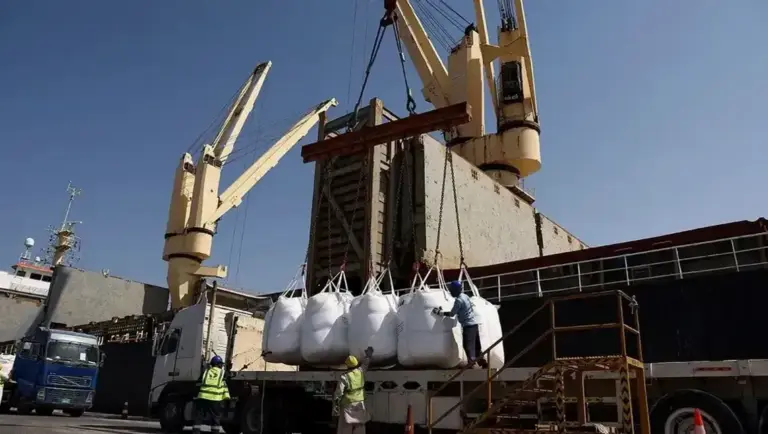
Nowhere are the consequences of the diplomatic stalemate clearer than in the Strait of Hormuz, the narrow shipping corridor connecting the Persian Gulf to the Gulf of Oman.

Before the war, the equivalent of roughly one-fifth of global petroleum liquids consumption and more than one-fifth of global liquefied natural gas trade passed through the waterway, according to the U.S. Energy Information Administration, making it one of the world’s most strategically important maritime routes.

Since the conflict began, Iranian attacks, shipping restrictions and U.S. military operations have severely disrupted commercial traffic.

Despite the American naval presence, attacks on commercial vessels have continued.

Reuters reported Monday that tanker attacks in the Gulf and Strait of Hormuz had accelerated sharply in October and continued into November. Iranian authorities also claimed that a tanker had struck a mine east of the strait on Sunday.

In an interview with Fox News Digital at the ADIPEC energy conference in Abu Dhabi, Amos Hochstein, a former senior adviser to President Joe Biden and now managing partner at TWG Global, challenged claims that the strait had effectively reopened.

HORMUZ CRISIS HIDES A DEEPER OIL THREAT THAT COULD OUTLAST THE WAR

“There has been a hot conflict in the Strait of Hormuz on almost a nightly basis. Tankers are getting fired on, tankers are getting hit,” Hochstein said.

“If you need a heavy U.S. military presence just to let an oil tanker go through, to me that’s the definition of not open,” he told Fox News Digital.

Hochstein argued that the extraordinary security measures required to protect commercial vessels demonstrate that normal navigation has not been restored.

Higher insurance premiums, the danger of additional attacks and restrictions on maritime traffic have continued to burden the global economy.

His assessment contrasts with the more optimistic picture offered by U.S. Central Command. In late October, Adm. Brad Cooper, commander of CENTCOM, said American forces had cleared primary shipping routes of Iranian mines and assisted thousands of commercial vessels transiting the waterway.

According to a CENTCOM statement reported October 25, more than 3,000 commercial vessels had successfully transited Hormuz with American military support over the preceding six months.

But for Hochstein, the ability of military forces to escort ships does not mean the commercial risks have disappeared.

He suggested that negotiations could proceed on separate tracks, with Washington concentrating on Iran’s nuclear program while Gulf governments take a greater role in discussions over freedom of navigation and maritime security.

“Maybe the Gulf allies themselves should be the ones that are managing that part of the negotiation on the [strait] while the United States would manage the negotiations … on the nuclear front,” Hochstein told Fox News Digital.

Dr. Angela Wilkinson, CEO of the World Energy Council, said the disruption of the Strait of Hormuz has exposed the need to rethink global energy markets, which have traditionally prioritized efficiency over resilience.

“Efficiency is not enough. We have to have resilience,” Wilkinson told Fox News Digital at ADIPEC.

“What we at the World Energy Council recommend is that we rebalance energy,” she said, advocating solutions that address energy security, affordability and sustainability simultaneously.

“We have escalating logistics costs, but we’ve got new vulnerabilities of interdependency. And that’s what we’re navigating our way through.”

TOP GULF OFFICIAL OFFERS GLIMMER OF HOPE ON TRUMP-IRAN NUCLEAR TALKS AS THREAT OF WAR HANGS OVER REGION

UAE says oil exports have risen despite the conflict

For the UAE, the disruption has accelerated efforts to reduce dependence on the Strait of Hormuz.

The Emirates has invested in alternative routes, particularly its pipeline to Fujairah on the Gulf of Oman, outside the strait, allowing some oil exports to bypass the contested shipping corridor.

Al Nuaimi said the country had substantially increased its oil exports since the war began.

“We want the Strait of Hormuz to be open, to be respected according to international law, but we don’t wait and make our country and our people hostages to others. … Before the war started on February 28th, we used to export 3.1, 3.2 million barrels a day. Now we are exporting almost 4.4.”

UAE Energy Minister Suhail Al Mazrouei also said at ADIPEC on November 2 that the country’s exports had, at times, exceeded prewar levels.

The country is also investing in new export routes, overseas storage capacity and shipping infrastructure to strengthen its ability to withstand future disruptions.

Hochstein praised the UAE and Saudi Arabia for anticipating the risks associated with dependence on a single maritime route.

“You can create alternative pathways and infrastructure, but those are redundancies,” he said.

IS THIS TRUMP’S LAST ‘LAST CHANCE?’ CEASELESS STRING OF BROKEN CEASEFIRES FUELS DOUBT OVER IRAN DEAL

His point was that alternative infrastructure can reduce the economic impact of disruptions in the Strait of Hormuz but cannot entirely replace the waterway.

The wider consequences have been felt across international energy markets, with increased shipping costs and supply disruptions affecting consumers far beyond the Middle East.

In a separate exclusive interview with Fox News Digital, Mohammed Baharoon, director general of the Emirati research center B’huth, argued that the confrontation over the Strait of Hormuz amounts to a separate economic war with consequences far beyond the region.

“The third war was Iran’s war on global economy by blocking the Strait of Hormuz,” Baharoon said. “And they’ve affected people in the Philippines, in India, in Brazil that has nothing to do with this conflict.”

He argued that the disruption has exposed the vulnerability of countries dependent on a single shipping corridor, reinforcing the need for alternative pipelines, transportation networks and supply chains.

“And part of resilience is that you will not have only one outlet,” he said.

Baharoon stressed that those investments were not simply emergency responses to the war but part of a longer-term effort to strengthen regional connectivity.

“The war might have accelerated the plans, but the plans have always been there,” he said.

Even if Hormuz fully reopens, he argued, the region will still need more routes for international trade.

“We need more access, we’ll need more supply chains. And we need them to be not only durable, resilient, but also redundant.”

Fox News Digital reached out to the White House for comment but did not receive a response before publication.
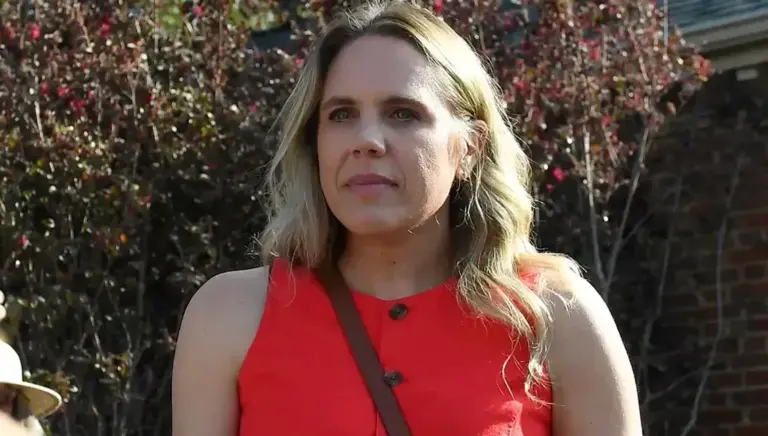
South Carolina’s Democratic senator-elect has a history of trashing Republicans and advocating passionately for transgender rights on social media, with many of those posts reemerging after her victory earlier this month.

“The T in LGBTQ+ stands for TRANSGENDER,” Annie Andrews, who is set to represent a state President Donald Trump won by roughly 18%, posted in 2023. “If you don’t support trans people, keep your cute pride post in your draft tweets, be better, and try again next year.”

“Periodic reminder that I support trans kids because I am not an a–hole,” she posted around the same time.

The posts stand in stark contrast to the more moderate image Andrews presented during her successful campaign against Republican Sen. Darline Graham, when she courted Republicans and independents in the deep-red state and distanced herself from some of her earlier positions on transgender issues.

MASSIVE UPSET: ANDREWS DOWNS TRUMP-BACKED GRAHAM IN RUBY-RED SOUTH CAROLINA

Beyond transgender issues, where she later distanced herself from certain positions in a campaign ad, Andrews also made her disdain clear for the Republican Party before running for Senate — statements that clashed with the emphasis she placed on bipartisanship while on the campaign trail.

In August 2024, Andrews stated that the Republican Party “needs to be lit on fire & thrown in the dumpster & plunged into the deepest depths of the ocean never to be seen again,” after some individuals on social media mocked Minnesota Gov. Tim Walz’s son.

SC DEM SENATE CANDIDATE CLAIMS SHE WILL STAND UP TO HER PARTY AS GRAHAM TIES HER TO ‘SOCIALIST DEMOCRATS’

“Herpes is forever,” she said in another post. “JD Vance doesn’t have to be.”

“Wow they let you out of the kitchen. Congrats,” Andrews wrote in a post reacting to GOP Sen. Katie Britt talking about a White House visit, making a jab at Britt with a reference to women being confined to traditional homemaking roles.

While Andrews had strong words for Republicans before launching her Senate bid, she worked to appease them in the lead-up to Election Day.

At an October town hall billed as “Republicans and Independents for Annie,” for instance, she said the campaign was for people more concerned about bills, rural hospitals and government integrity than party labels. She repeatedly stated that she intended to work across the aisle if elected and that her campaign was “not just for Democrats.”

DEMOCRATS ARE CHANGING THEIR TRANSGENDER MESSAGE. REPUBLICANS SAY THEY’RE JUST FLIP-FLOPPING

Andrews made scores of other posts expressing support for abortion access, drag queen story hours and increased restrictions on firearm ownership, among other issues. She reposted one post calling semi-automatic rifles “weapons of war,” for instance.

“Republicans spent all their money trying to defeat Abdul and hired zero opposition researchers on Annie,” independent journalist Zaid Jilani wrote on X, responding to one of Andrews’ pro-transgender resurfaced posts.

WHERE TOP DEMOCRAT SENATE CANDIDATES AND THEIR GOP OPPONENTS STAND ON TRANS ATHLETES IN WOMEN’S SPORTS

While some have criticized Republicans for not capitalizing on Andrews’ posts while on the campaign trail, the GOP did dredge old statements in an attempt to dissuade voters from backing her.

“Annie Andrews launched her political career fighting for her trans agenda … dozens of comments and tweets advocating for dudes in girls’ sports, procedures on minors, and more,” National Republican Senatorial Committee advisor Nathan Brand posted in October, responding to an ad released by Andrews disavowing biological men in women’s sports. “Now she is walking it ALL back.”

Republicans leaned heavily into transgender issues, particularly banning sex change procedures for children and biological men from competing in women’s sports, during the 2026 electoral cycle. While the focus on such issues did not prevent the GOP from losing what are usually safe seats, a number of ballot measures rolling back transgender rights passed in liberal states.

The Andrews campaign did not respond to a request for comment when reached by Fox News Digital on Monday.

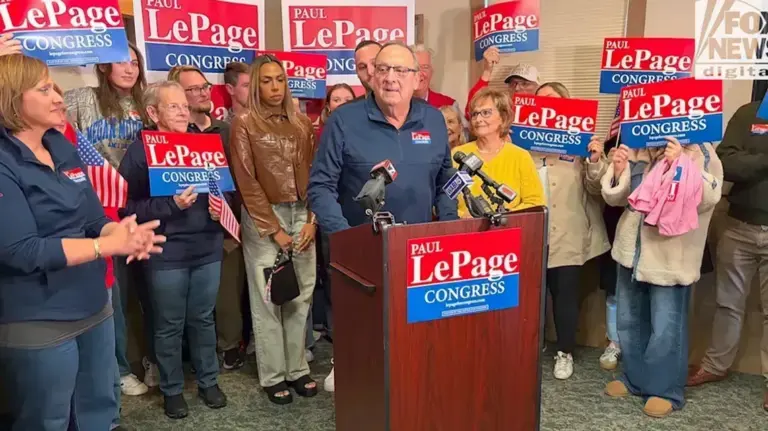
Former Republican Gov. Paul LePage of Maine is in Washington this week after declaring victory in his congressional race, even as the state’s ranked-choice count continues.

LePage narrowly edged out Democratic rival Matt Dunlap, and last week declared victory in the race for Maine’s 2nd Congressional District. Dunlap conceded on Thursday, Nov. 5.

The mostly rural seat is the largest congressional district east of the Mississippi River by area and was won by President Donald Trump in all three of his presidential elections.

The apparent victory by LePage would be the only flip from blue to red by House Republicans in a non-redistricted seat in the midterm elections. And it would be rare good news for the GOP after getting trampled by a blue wave that saw Democrats storm back to grab a large House majority as well as recapture the Senate.

HEAD HERE FOR THE LATEST RESULTS FROM THE MIDTERM ELECTIONS

Even though Dunlap conceded to LePage last week, a ranked-choice count kicked off Monday morning. That’s because while LePage topped Dunlap by more than 5,000 votes, he fell short of grabbing a majority, which would have prevented ranked-choice voting. According to the Maine Secretary of State, LePage received 49.894% of the total votes cast in the 2nd District race.

LePage was in the nation’s capital as ranked choice voting got underway.

“Paul is already at work in Washington D.C. while the perfunctory process plays out back home. Just like our opponent, who conceded, we are confident in the outcome,” longtime LePage campaign strategist Brent Littlefield told Fox News Digital.

MAGA VOTERS WEIGH IN ON WHO THEY’D LIKE IN 2028

The former governor is expected to take part Tuesday in a scheduled vote by returning GOP congressional lawmakers and newly elected House Republicans to choose the next minority leader in the race between current House Majority Leader Steve Scalise of Louisiana and Judiciary Chair Rep. Jim Jordan of Ohio. Outgoing House Speaker Mike Johnson decided against a bid to lead the House Republicans following the GOP’s crushing ballot-box setback.

Asked how he succeeded when so many Republicans went down to defeat last week, LePage pointed to “my brand.”

“I’ve been governor twice. I’ve won this district now for the fourth time… My brand. People know me and people trust me and know what I’ll say, I’ll do,” LePage said in a Fox News Digital interview last Wednesday in Bangor, Maine, after declaring victory.

SIGN UP TO GET THE POLITICS NEWSLETTER

Looking ahead, LePage said, “Hopefully there’s still some commonsense in the Democratic Party down there and I hope that I can work with them.”

But pointing to far-left Democrats aligned with the Democratic Socialists of America (DSA), LePage argued, “I think we have to rid ourselves of DSA Democrats.”

And he said Republicans and non-DSA Democrats “have to work together because DSA is a poison for this country.”

This post appeared first on https://www.foxnews.com

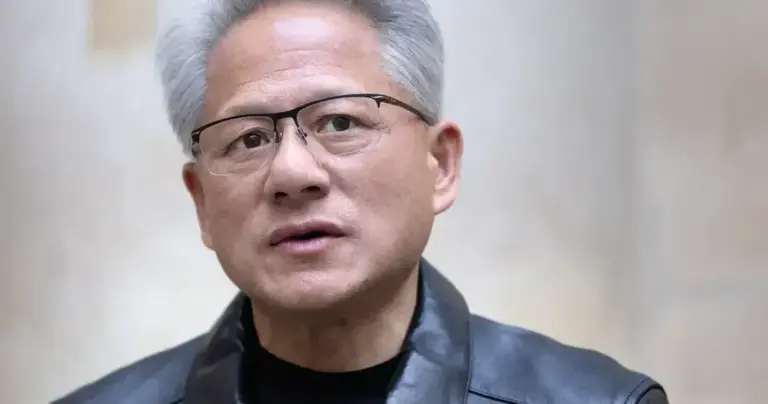
Nvidia shares took a significant hit during early trading on Monday, wiping nearly 247 billion dollars off the company’s market valuation as uncertainty grows surrounding the future of CEO Jensen Huang. The turmoil follows an announcement from the board of directors regarding an independent investigation into claims that Huang may have been targeted in a Chinese intelligence operation. Shares slid roughly five percent, dropping to 176.24 dollars, reflecting deep investor anxiety over whether the visionary leader who steered the chipmaker to a multi trillion dollar valuation can remain at the helm.

At the heart of the controversy is Huang’s reported relationship with Alice Huang, a former executive at Megaspeed International. U.S. intelligence officials suspect she acted as a spy for China’s Ministry of State Security. While the Chinese government has dismissed these accusations as baseless slander and Nvidia’s own board suggests there is no evidence that national security or corporate secrets were leaked, the optics have created what some analysts call a black eye for the company. A spokesperson for Nvidia noted their belief that the U.S. government would have alerted them if a genuine threat existed.

Industry experts warn that replacing Huang would be an immense challenge given his status as the primary architect of Nvidia’s global dominance in artificial intelligence. Often compared to Steve Jobs for his singular influence on the company’s identity and strategy, Huang currently lacks a clear successor within the organization. This leadership vacuum adds another layer of risk for shareholders, especially since NVIDIA has already seen its stock struggle recently amidst broader volatility in AI investments and tightening export controls on high end chips destined for China.

Beyond the immediate impact on share prices, observers fear this scandal could trigger aggressive congressional inquiries and prompt U.S. regulators to tighten restrictions further on semiconductor exports to China. Because Huang has spent considerable time lobbying federal authorities to allow certain modified chips into the Chinese market, any perception of compromise could lead to more draconian trade barriers. For now, investors are left waiting to see if the internal probe clears Huang’s name or signals a seismic shift in leadership for the world’s leading AI hardware provider.

Allison and Stephen Ellsworth are wasting no time returning to the beverage aisle. After netting nearly two billion dollars from the sale of their prebiotic soda empire, Poppi, to PepsiCo, the husband-and-wife duo have officially launched Jetty. With a personal investment of two and a half million dollars, the pair is setting its sights on the thirteen billion dollar hydration market, aiming to carve out a space between high-intensity sports drinks and basic bottled water.

The inspiration for Jetty came from Allison Ellsworth’s own frustration with existing electrolyte options. She noted that many leading products are formulated for marathon runners and elite athletes, often packing far more sodium than someone simply trying to get through a workday needs. By reducing sodium levels and adding prebiotics and B vitamins, Jetty positions itself as a lifestyle beverage for working parents and young professionals rather than just those hitting the gym.

Launching with five distinct flavors including Black Raspberry and Orange Mango, the brand is skipping the slow build by securing immediate national availability via Whole Foods, Target, and Amazon. To drive growth, the couple plans to lean heavily into the digital playbook that made Poppi a viral sensation on TikTok. While Allison handles the creative branding and marketing side of the business, Stephen will step in as CEO to manage operations and finance.

Industry experts suggest that while there is plenty of room for hydration products designed for non-athletic use, the road ahead remains steep. Veteran advisor Paul Beaupre notes that most sports drinks are already consumed outside of actual workouts, meaning Jetty isn’t creating a new habit so much as fighting for a share of an existing one. Competing against giants like Gatorade requires more than just a good formula; it takes immense capital and flawless distribution to survive. Undeterred by the odds or previous skeptics, Allison Ellsworth says she welcomes any doubt, suggesting that critics should simply check back in five years.

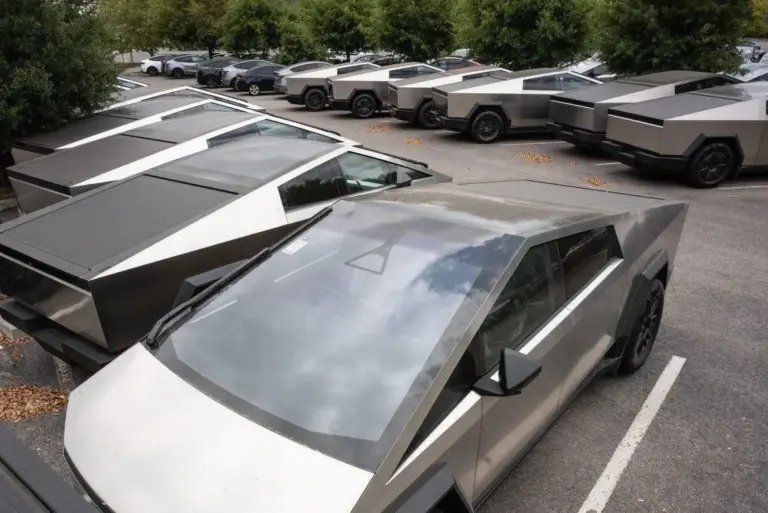
Elon Musk has announced that Tesla will wind down production of the futuristic Cybertruck within the next eight months, a move that will leave thousands of hopeful buyers empty handed. In a series of posts on X, the CEO admitted that the company will be forced to refund deposits for a significant number of reservation holders because they simply cannot keep up with the sheer volume of orders before the lines go dark. While Musk defended the vehicle’s profitability, he made it clear that the logistical headache of building such a complex machine is no longer worth the effort compared to newer priorities.

The pivot comes as Tesla shifts its focus toward the Cybercab, a specialized two seater robotaxi designed for autonomous ride hailing. According to Musk, the opportunity cost associated with maintaining Cybertruck production outweighs any potential gains, meaning factory space and resources are being redirected to maximize Cybercab output instead. It appears that the dream of an autonomous fleet has officially overtaken the ambition of dominating the pickup truck market in importance for the electric vehicle giant.

Despite early hype and claims of over one million reservations, the Cybertruck struggled to translate viral interest into massive retail sales figures. Industry analysts estimate only about seventy thousand units have actually left factories since deliveries began in late 2023, falling far short of Musk’s own annual projection of a quarter million vehicles. Interestingly, reports indicate that much of the perceived success was bolstered by internal dealings, including millions of dollars in purchases from other Musk led ventures like SpaceX.

While some believe that announcing an end date for production might create a sudden surge in demand due to artificial scarcity, it is unlikely to bridge the gap between reality and previous expectations. For now, Tesla seems content to let its most polarizing design fade into a limited edition curiosity while betting its entire corporate future on a driverless taxi service. Those still waiting for their stainless steel trucks may soon find themselves with nothing more than a refunded deposit and a memory of what could have been.

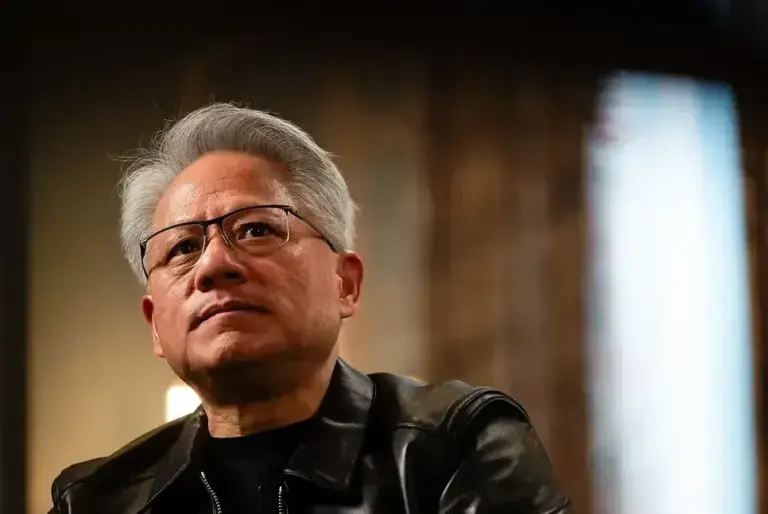
Jensen Huang has abruptly canceled his appearance at the upcoming ElevenLabs Summit in New York, marking a sudden retreat from several high profile public events. The voice AI company confirmed the news on Monday, noting that the Nvidia chief will no longer be attending this Wednesday’s gathering. This withdrawal is part of a broader pattern, as Huang has also stepped away from other major commitments, including the Anthropic CEO Forum, leaving partners and investors questioning the stability of the tech giant’s leadership.

The disappearance from the spotlight follows a chaotic weekend during which Huang issued a formal apology for an extramarital affair. In a candid internal memo addressed to his employees, he expressed deep remorse for being unfaithful to his wife and acknowledged the pain his actions caused his children. While the personal admission sparked immediate conversation across social media, it is the professional implications of his conduct that have sent shockwaves through Silicon Valley.

Beyond the domestic scandal, Nvidia has launched an official investigation into whether Huang’s relationship involved a potential Chinese spy. Given Nvidia’s critical role in global semiconductor supply chains and its complex business ties within Asia, these allegations have introduced significant geopolitical risk. Industry analysts suggest that this combination of personal failure and security concerns could jeopardize Huang’s long term tenure as CEO.

As one of the most influential figures in the current artificial intelligence boom, Huang’s absence is felt acutely by companies like ElevenLabs, where Nvidia remains a key investor. The unfolding crisis has left shareholders uneasy about how this turmoil might affect Nvidia’s strategic ambitions in China and its overall standing in an increasingly volatile market. For now, the man who led the GPU revolution finds himself fighting a battle for his own reputation behind closed doors.

A detailed warning from a New York short selling firm is gaining fresh attention after it became clear that Nvidia CEO Jensen Huang had developed an intimate relationship with a woman now suspected of being a Chinese operative. Culper Research first sounded the alarm in May, describing the bond between Huang and Alice Huang, an executive at the Singaporean firm Megaspeed, as uncomfortably close. At the time, the report noted that employees within Nvidia were already questioning the nature of their association after seeing the pair socialize frequently.

The situation escalated over the weekend when Jensen Huang admitted to having an extramarital affair with Alice Huang, who despite sharing his surname is not a relative. In response, Nvidia has launched a formal internal investigation into the matter. US intelligence officials now suspect that Alice Huang was recruited by the Chinese government specifically to gather sensitive information on the CEO and potentially sway his views on American export restrictions regarding high end artificial intelligence chips.

Beyond the personal scandal, Culper Research had originally used its findings to suggest that Nvidia faced a systemic problem with how its technology reached China. The firm alleged that restricted chips were being diverted through Southeast Asia via Megaspeed, which they claimed was secretly funded by Alibaba through various shell companies. To support this theory, Culper highlighted a massive spike in Megaspeed’s financial liabilities, which jumped from thirty three million dollars in late 2023 to roughly three billion dollars by late 2024.

While recent reporting from the Financial Times suggests that Alibaba did indeed provide loans to Megaspeed through subsidiaries, some aspects of the short seller’s claims remain unverified. Critics point out that Culper Research stood to profit financially if Nvidia’s stock price dropped following these revelations. Nevertheless, the timing of their initial report serves as a stark reminder of how long these red flags existed before they evolved into a national security concern for US authorities.