Archive

November 28, 2026

Browsing

Investing has long been a game of translating vague intuitions into specific tickers, a process that usually requires hours of research or a degree in finance. Supertake is looking to bridge that gap by allowing users to simply state their market theories in plain English and letting AI agents handle the heavy lifting of building a corresponding portfolio. The startup recently secured 20 million dollars in seed funding to scale this vision, drawing backing from prominent names like Adjacent, Coinbase Ventures, and Union Square Ventures, along with several high profile angel investors from across the tech landscape.

Founded by Michael Mignano, the former CEO of Anchor and current partner at USV, Supertake functions as a modern evolution of the robo-advisor. Instead of filling out a risk questionnaire, users engage in a dialogue with frontier AI models to refine their takes on global trends. Whether someone believes longevity science is about to explode or predicts a shift in consumer habits, the system iterates with them until those thoughts become an investable strategy. These strategies then appear on a public leaderboard, creating a social layer where others can discover and follow successful insights.

Building such a tool requires overcoming a massive hurdle of trust, especially when dealing with personal capital. To mitigate risks, co-founders Lincoln Murr and John Peterson, both veterans of Coinbase’s AI initiatives, have implemented strict guardrails. The AI cannot move funds without permission and operates within predefined spending limits and asset lists. Murr compares the transition to adopting self driving cars, suggesting that just as drivers moved from lane assist to fully autonomous rideshares, investors will eventually embrace agentic finance once the reliability is proven.

While the service currently focuses on stock picks via integrations with Robinhood and Coinbase, the roadmap for Supertake extends well beyond simple equities. The team plans to incorporate derivatives, shorts and prediction markets to give users more granular control over their bets. Despite these ambitions, leadership insists they aren’t running a gambling house but rather providing a sophisticated translation layer between human intuition and asset management. With millions already entrusted to the system by its own founders during the beta phase, the company is now hiring aggressively across engineering and design to open its doors wider.
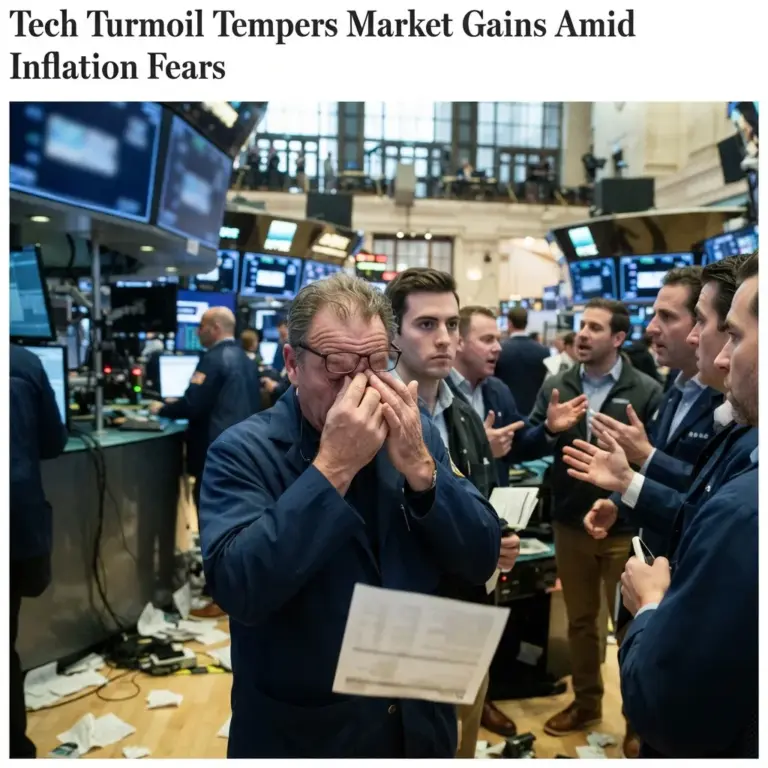
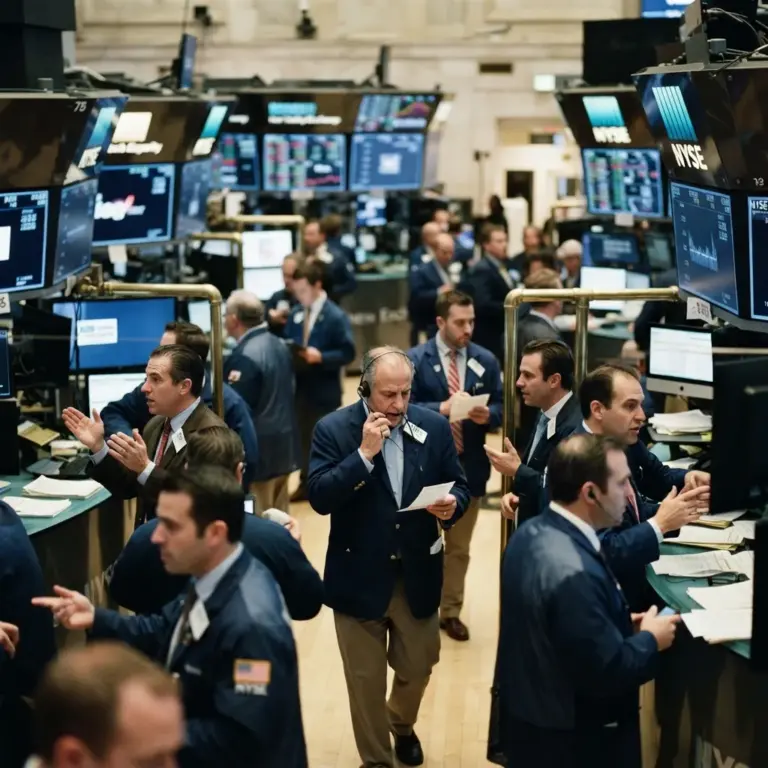
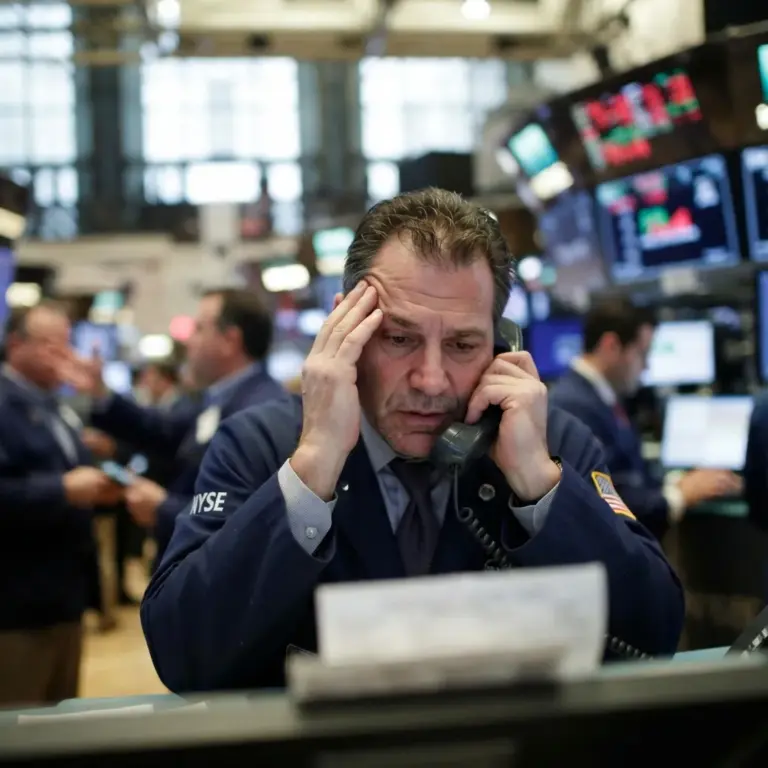
Wall Street managed to claw back a significant portion of its early losses on Wednesday, though the indices remained mixed as a volatile session for artificial intelligence stocks finally began to stabilize. The S&P 500 ended slightly lower by 0.3 percent, a modest dip considering it had plunged as much as 3.2 percent during the morning rush. Similarly, the Nasdaq composite recovered from a steep mid-day drop of nearly 5 percent to finish down just 0.6 percent. Meanwhile, the Dow Jones Industrial Average bucked the trend entirely, closing with a slight gain of 0.3 percent.

The recovery was driven largely by big tech names finding their footing after an initial rout. Nvidia saw some stability toward the end of the day but still closed down 3.9 percent after plunging more than 9 percent at one point. Other heavyweights like Broadcom and Microsoft also narrowed their losses significantly, while Meta and Salesforce actually posted gains. Financial services provided additional support for the broader market, with payment giants Visa and Mastercard both seeing climbs near two percent. Despite these recoveries, analysts suggest that investors are becoming increasingly skeptical that current AI valuations can be justified by actual profits.

Beyond the volatility in tech, macroeconomic headwinds continued to weigh on sentiment. New data revealed that inflation remains stubborn, with prices rising at a rate of 3.8 percent in October according to the Federal Reserve’s preferred metric. This persistence suggests that interest rates may stay higher for longer, possibly leading to another rate hike in December to bring inflation closer to the bank’s two percent goal. These fears were compounded by escalating trade tensions and planned tariff hikes against major global partners, adding further pressure to consumer costs across the board.

Adding to the complexity is a geopolitical climate fueling energy price spikes, as conflicts involving Iran pushed Brent crude oil up to nearly ninety five dollars a barrel_ Although recent GDP revisions show surprising resilience in overall economic growth reaching a four point three percent annual rate, there are growing concerns regarding who is driving that expansion. While wealthy households and tech firms investing in infrastructure continue to spend heavily, evidence suggests lower income families are leaning more on credit to survive rising living costs just as markets head into a shortened holiday week_

Wall Street is preparing for a short final session of a chaotic trading week, with equity futures ticking higher following the Thanksgiving break. S&P 500 and Nasdaq-100 futures both showed modest gains overnight, while Dow Jones futures climbed nearly 280 points. Despite the volatility seen throughout the month, the major indices remain on track for strong weekly performances, with each benchmark currently eyeing gains of around 4 percent.

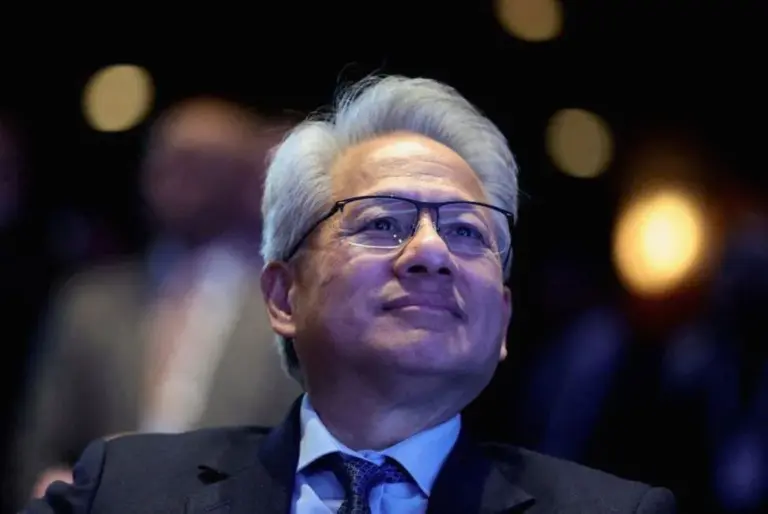
The week began with an explosive surge driven by the reinstatement of Jensen Huang as CEO of Nvidia. The announcement triggered a massive 31 percent jump in the company’s stock on Monday, propelling the broader market to its strongest single day since early 2025. However, that momentum cooled midweek as investors began taking profits from AI-linked stocks and weighing concerns over whether big tech spending will eventually yield the expected returns.

Beyond the excitement surrounding artificial intelligence, a cloud of anxiety persists regarding future monetary policy. Recent inflation data has led some analysts to fear a repeat of 2018, suggesting that the Federal Reserve may implement several interest rate hikes in the coming months to combat persistent pricing pressures. This macroeconomic tension has kept traders cautious even as global markets show resilience.

International sentiment appears cautiously optimistic as Asian markets opened in the green on Friday morning, with Japan and South Korea seeing steady climbs despite ongoing tensions over U.S. tariffs. Back home, political noise continues to swirl after President Donald Trump called for an investigation into recent GDP revisions, though most investors are focusing on the immediate horizon as markets prepare for an early closing time today.

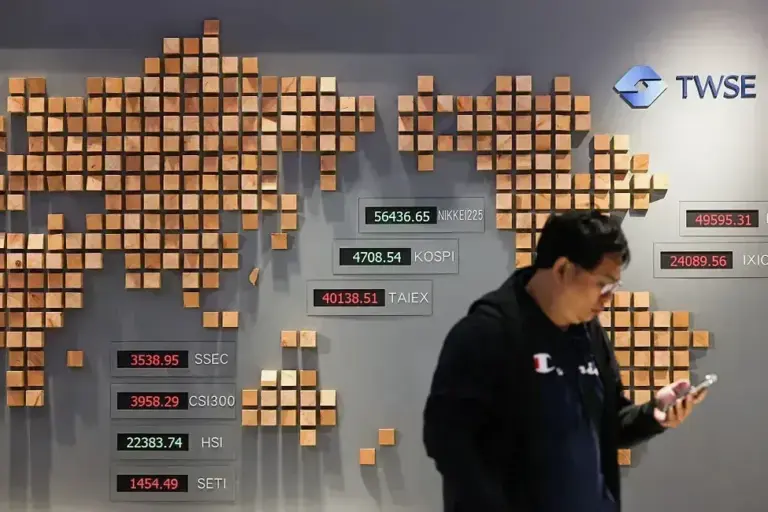
Major Asian indices climbed across the board on Friday as investors shook off a volatile start to the week. The recovery was led by a strong surge in South Korea’s Kospi, which jumped more than two percent, while Japan’s Nikkei 225 and Australia’s S&P/ASX 200 also posted steady gains. This upward trend signaled a moment of respite for technology shares, particularly those linked to artificial intelligence, which saw early dips quickly erased as buyers stepped back into the semiconductor sector.

While most of the region celebrated green screens, New Zealand served as a notable exception. Stocks there dipped slightly as political instability took hold following an election result that stripped Prime Minister Christopher Luxon’s right-wing coalition of its parliamentary majority. With a centrist party now holding the balance of power, traders expressed caution regarding the country’s immediate legislative future.

The broader market sentiment remains fragile despite the current rally. Investors are navigating a complex landscape featuring potential trade wars sparked by Donald Trump’s proposed tariffs on global partners and anticipation surrounding the Federal Reserve’s upcoming interest rate decision. Adding to the tension, oil prices continued to climb following Houthi attacks on Saudi energy infrastructure, heightening fears of further escalation in the Middle East.

Corporate headlines also provided significant movement in Japan, where Japan Tobacco shares soared on reports of a potential partnership with U.S.-based Altria to acquire Imperial Brands. This optimistic news comes at a difficult time for the tobacco giant, which is currently grappling with nearly nine billion dollars in losses after Russia seized its local subsidiaries amidst deteriorating diplomatic ties between Moscow and Tokyo.

As the dust settles on Thanksgiving celebrations and football games, Wall Street is shaking off its holiday slumber to face a volatile end to the trading year. While shoppers spent Black Friday hunting for deals, investors are crafting a different kind of wish list centered on stability and sustainability. Chief among these desires is a reprieve from the extreme volatility surrounding Nvidia. After riding the chipmaker to historic heights, shareholders are now grappling with dizzying price swings fueled by governance concerns and broader doubts about the artificial intelligence bubble. Traders aren’t just hoping for a steadier ride for Nvidia specifically, but rather a market that doesn’t lean so precariously on a single titan.

The conversation around AI is shifting from raw excitement to hard math. For months, tech giants have poured hundreds of billions into infrastructure, yet many investors are still waiting for proof that this massive spending will translate into meaningful profits. While some early winners have emerged, there is an urgent desire to see productivity gains spread across various sectors. The goal is simple but daunting: proving that AI can actually pay for itself through sustainable revenue growth rather than remaining a speculative gamble driven by hype.

Beyond corporate balance sheets, macroeconomic pressures continue to weigh heavily on portfolios. Many hope for cooling inflation data that would allow the Federal Reserve to soften its stance on interest rates, providing much needed breathing room for expensive growth stocks sensitive to borrowing costs. This financial longing is closely tied to geopolitical tensions, particularly the ongoing conflict involving Iran. Analysts note that markers of U.S. affordability, including crude oil prices and Treasury yields, spiked noticeably when hostilities began.

Ultimately, an end to global instability would offer more than just peace; it would likely act as a catalyst for lower energy prices and stabilized inflation. Removing that singular external stressor would give weary investors one less variable to fear during an already chaotic season. Between hopes for diplomatic breakthroughs and demands for technological accountability, Wall Street enters December looking for clarity over chaos as it attempts to close out another wild year in the markets.

Authorities in New Mexico are scouring the region for Rebecca Taylor, a pregnant inmate who managed to flee custody during a routine transfer on Wednesday morning. Taylor, who is facing several theft and burglary charges, was being driven back to the Western New Mexico Correctional Facility in Grants following a prenatal medical appointment in Albuquerque. The escape occurred around 11:35 a.m. when the transporting officers reportedly stopped at a Whataburger restaurant for a meal break.

According to reports, Taylor seized the opportunity while the guards were distracted, unbuckling her restraints and sliding into the driver’s seat of the Dodge Journey SUV used for transport. She sped away from the scene, leaving behind another inmate who was also in the vehicle; that individual quickly exited the car and remains in official custody. While police eventually tracked the stolen SUV via GPS to Albuquerque’s Alamosa neighborhood, Taylor had already abandoned the vehicle and disappeared into the city.

The search intensified late Wednesday after investigators discovered Taylor’s orange prison jumpsuit discarded at an intersection on the west side of town. Law enforcement agencies are now coordinating efforts to track her movements, focusing heavily on Greyhound buses, Amtrak trains, and other forms of public transit. Officials noted that since Taylor has known connections to both Albuquerque and Texas, they are expanding their perimeter beyond state lines.

Public safety officials have urged residents to remain vigilant but cautioned against attempting to apprehend Taylor themselves. Because fugitives can be unpredictable when cornered, anyone who believes they have spotted her is instructed to avoid contact and immediately notify emergency services by calling 911.

The sudden reinstatement of Nvidia CEO Jensen Huang has ignited a fierce debate over whether the world’s most powerful executives are effectively above the law. Only a short time ago, Huang stepped down after admitting to violating company policy through an extramarital affair with a woman suspected of being a Chinese spy, alongside reports of another relationship with a subordinate. In an era where CEOs from companies like McDonald’s were ousted for similar consensual lapses, Huang’s unanimous return via a board vote marks a startling departure from recent corporate standards.

The comeback was propelled by an intense pressure campaign involving high profile tech allies and President Donald Trump. While the Nvidia board cited government assurances that Huang posed no national security risk, they notably avoided mentioning the sexual misconduct allegations during the announcement. President Trump leaned into the controversy with characteristic flair, suggesting that sex sells and posting a provocative parody image of Huang. This public endorsement has led critics to argue that such rhetoric validates a culture where power serves as a shield against accountability.

Advocates for workplace equity and legal experts say this move signals a dangerous regression toward pre MeToo norms. Attorney Cheyenne Hunt noted that reinstating a leader under these circumstances sends a chilling message to female employees that boundaries can be ignored if the man in charge is influential enough. Professors of organizational behavior warn that because relationships between supervisors and subordinates often involve inherent coercion, ignoring these violations undermines years of progress in creating safe work environments.

Inside Nvidia, the reaction remains deeply polarized. Some employees welcomed Huang back with chants and petitions, driven by fear that the company’s stock and AI dominance depended solely on his singular vision. During a livestreamed meeting, Huang apologized for his mistakes and mentioned he is attending therapy, while simultaneously cautioning staff that others should not expect similar forgiveness for code violations. Despite these pleas for humility, observers suggest the event confirms that in the cult of tech genius, technical brilliance outweighs ethical consistency.

The federal government has given SpaceX a green light that could fundamentally alter the appearance of the night sky and the chemistry of our atmosphere. In a move reflecting a shift toward lighter environmental oversight under the Trump administration, the Federal Communications Commission has approved plans for Starmind, a massive network of one million artificial intelligence data center satellites. By moving heavy computing tasks off planet Earth and into solar powered orbital hubs, Elon Musk aims to solve the resource drain associated with terrestrial data centers, though critics argue he is simply trading one set of environmental problems for another.

Astronomers warn that the sheer scale of this project would dwarf existing constellations like Starlink. To maintain such a fleet, SpaceX would need to launch and subsequently decommission roughly 500 satellites every single day. This creates a daunting logistical cycle where tons of aluminum, titanium, and lead would regularly burn up upon reentry. Experts are particularly concerned about alumina deposits in the upper atmosphere, which could potentially deplete the ozone layer and increase the amount of harmful ultraviolet radiation reaching the ground.

Beyond the atmospheric risks, the visual impact on humanity’s relationship with the cosmos would be profound. With millions of seventy five meter wide structures orbiting overhead, observers would likely see hundreds of bright streaks crossing the horizon at any given moment, erasing the pristine darkness enjoyed by previous generations. There is also the looming threat of Kessler Syndrome, a catastrophic chain reaction where colliding satellites create clouds of debris that trigger further crashes, potentially rendering low Earth orbit impassable for decades.

Despite these concerns, the FCC appears eager to embrace the vision, even citing science fiction concepts like becoming a Kardashev II civilization in its justifications. However, skeptics question whether the laws of physics and economics will allow Starmind to ever fully materialize. Cooling high performance processors in a vacuum is notoriously difficult, often requiring significant downtime to shed heat. Coupled with an AI market that many believe is currently in a speculative bubble, some wonder if this ambitious celestial architecture will remain a theoretical exercise rather than an orbital reality.

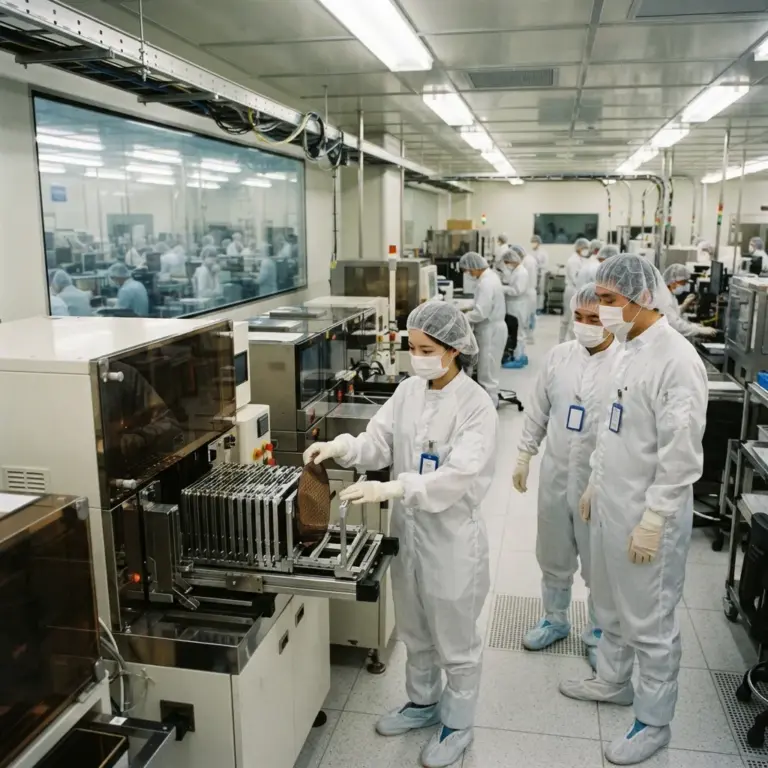
Nvidia has instructed its primary manufacturing partners, including industry heavyweights Dell and Super Micro, to immediately halt the shipment of servers to several Southeast Asian nations. This sudden freeze affects deliveries heading into Malaysia, Singapore, Thailand, and Indonesia while the company conducts a thorough internal assessment of whether its regional partners are strictly adhering to United States export laws.

The move comes as Washington tightens its grip on high end artificial intelligence hardware to prevent sensitive technology from reaching Chinese hands. For some time, firms in China have bypassed direct trade restrictions by accessing Nvidia chips remotely through data centers located across Southeast Asia. This strategic workaround created a significant loophole that allowed Beijing to maintain its momentum in the global AI race despite official sanctions.

Earlier this month, the US Commerce Department moved to close this gap, though reports suggest the decision was made with some hesitation. The scale of the issue is substantial, with figures from the Institute for Progress suggesting that these remote hubs provide roughly twenty four percent of all AI computing power currently available within China.

By pausing shipments now, Nvidia appears to be attempting to get ahead of potential regulatory penalties and ensure full compliance with federal mandates. While the duration of the hold remains unspecified, the disruption signals a hardening stance toward third party distribution channels that may inadvertently serve as conduits for restricted technology transfers.

While the public usually sees them through the lens of stock prices and product launches, some of the world’s most powerful business leaders spent this Thanksgiving stepping away from the spreadsheets to share a more human side. From social media posts on X to reflections on LinkedIn, CEOs and investors swapped corporate jargon for messages of kinship and relief, proving that even those at the top of the economic ladder find their greatest value in things money cannot buy.

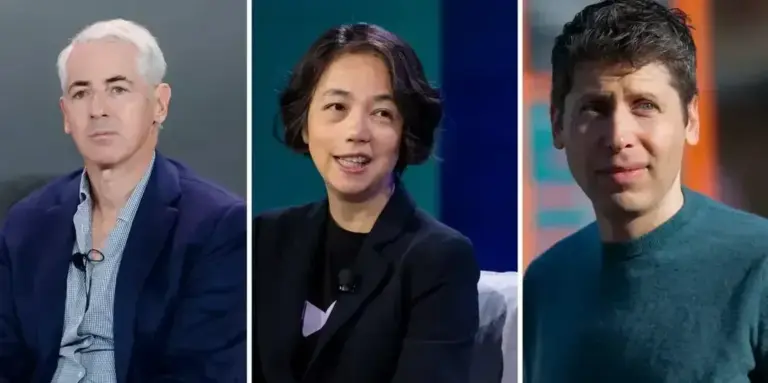
For many, the focus was squarely on family and health. OpenAI CEO Sam Altman reflected on the simple joys of fatherhood, noting that while most activities lose their luster over time, spending mundane evenings with his children only gets better. In a more poignant tribute, billionaire investor Bill Ackman used the occasion to thank healthcare workers who saved his daughter after she suffered a severe brain hemorrhage earlier this year, praising the immense personal sacrifices made by medical professionals.

The spirit of gratitude also extended toward the workforce and innovation. Coinbase CEO Brian Armstrong described current times as a golden age for builders, expressing his thanks for the rapid evolution of technology. Meanwhile, AMD CEO Lisa Su shared a festive photo with her turkey alongside praise for her global team and partners. Even Elon Musk joined in, crediting Tesla’s success directly to its customer base, while Apple’s Tim Cook focused on the employees and friends who sustain him.

Adding a touch of levity to the digital wave of sentiment, Apple cofounder Steve Wozniak shared a photograph of dinner with early investor Mike Markkula. True to form for a man synonymous with one of history’s biggest brands, Wozniak joked that the dessert choice was naturally apple pie. Whether reflecting on spiritual faith like former Intel CEO Pat Gelsinger or emphasizing human connection amidst global turmoil like Ray Dalio, these leaders highlighted a universal truth that transcends industry status during the holidays.